According to Master, Doctor Phung Van Thanh, from the High-Tech Eye Center at Tam Anh General Hospital Hanoi, eye conditions related to viral or bacterial infections often increase during the Tet holiday. This rise is compounded by environmental factors such as humid weather and air pollution. Changes in daily routines during Tet, such as staying up late and irregular eating, can weaken the body's resistance. Combined with close contact in crowded places like festivals or tourist attractions, and the habit of sharing personal items, these factors create favorable conditions for pathogens to enter and spread from hands to eyes.
Viral keratitis
Viral keratitis is a common disease in winter and spring, especially when the weather is humid, immunity is low, and exposure to crowds increases. Common agents include adenovirus and herpes simplex virus. The disease can spread through hand contact, sharing face towels or cosmetics, or via respiratory droplets from infected individuals.
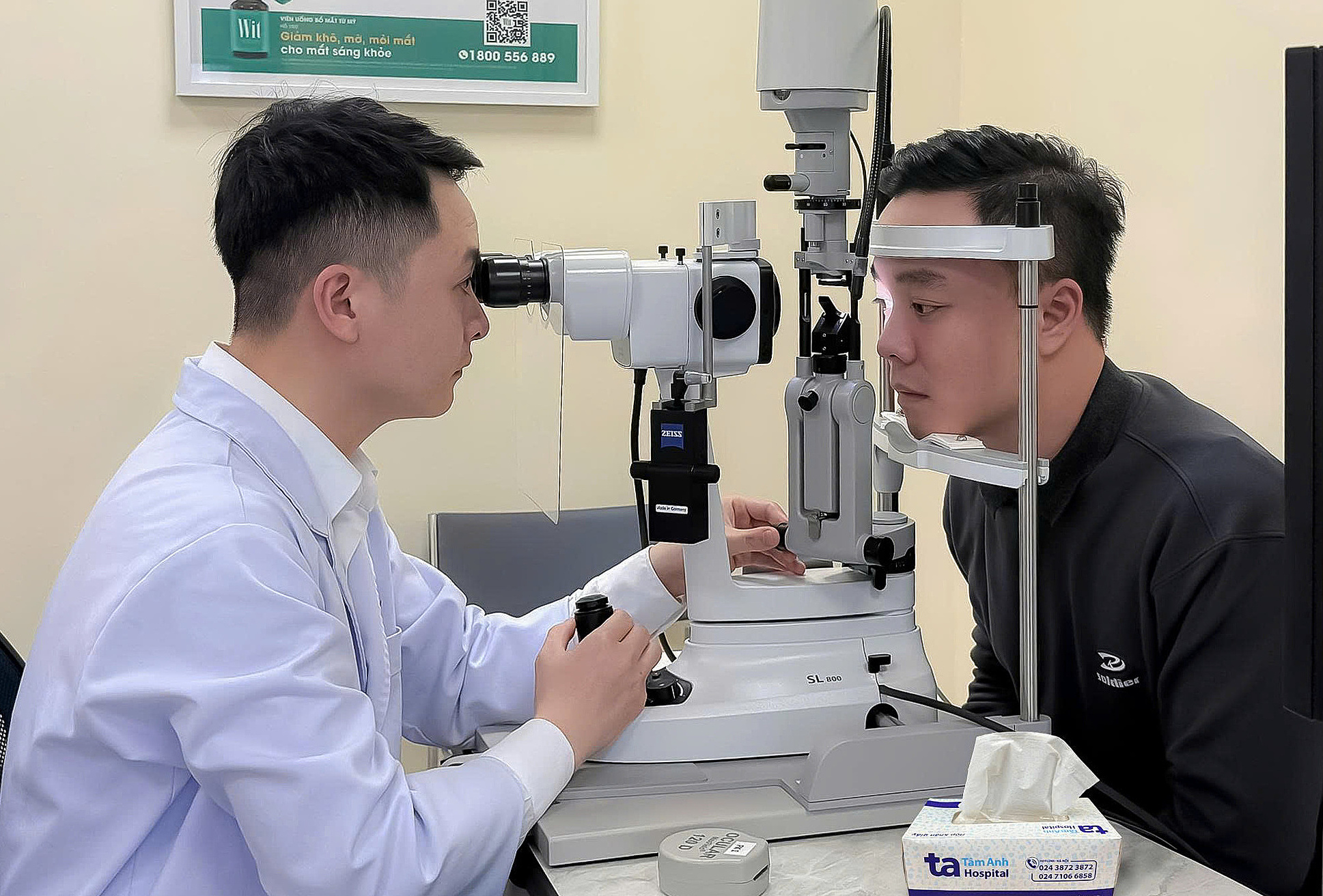 |
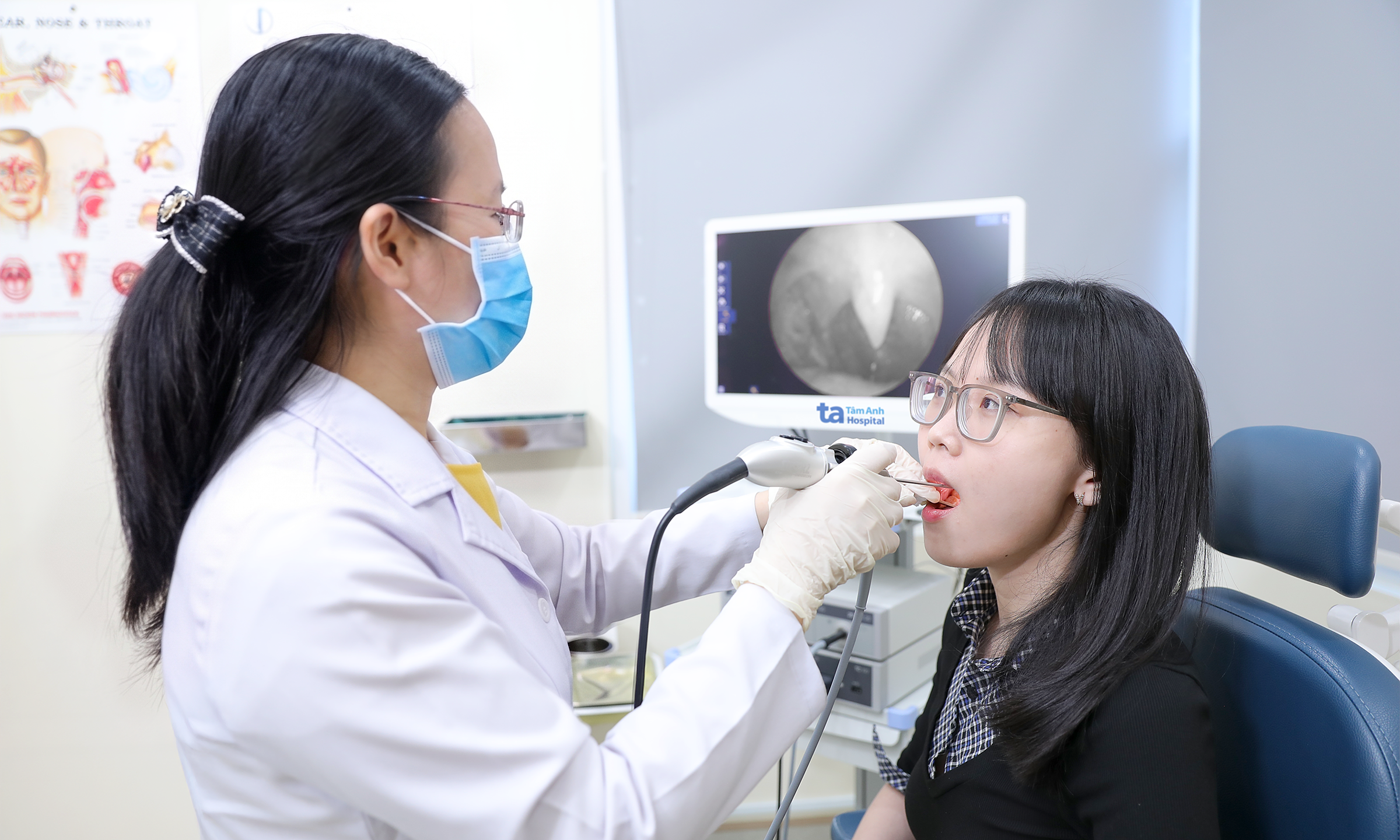
Doctor Thanh examines a young man's eye. Illustration: Tam Anh General Hospital
Those affected often experience symptoms such as red eyes, pain, light sensitivity, excessive tearing, and blurred vision. Some cases involve a persistent gritty sensation, as if a foreign object is in the eye. Viral keratitis often progresses subtly and is easily mistaken for common conjunctivitis, but if treatment is delayed, it can lead to corneal scarring and prolonged vision loss.
Bacterial keratitis
Bacterial keratitis also tends to increase during spring travel, particularly in individuals who habitually rub their eyes, have poor hand hygiene, or use contact lenses improperly. Common bacteria include staphylococcus, streptococcus, or pseudomonas aeruginosa.
The disease often has a rapid onset, presenting with severe eye pain, redness, excessive discharge, swollen eyes, and significant vision reduction. It can damage the cornea if not treated promptly.
To reduce the risk of corneal inflammation during Tet, Doctor Thanh advises everyone to maintain clean hands, avoid rubbing their eyes, and not share face towels, cosmetics, or personal items. Washing hands with soap or hand sanitizer before touching eyes helps reduce the risk of introducing microorganisms from the environment to the cornea. When attending festivals, traveling, or visiting crowded places, it is important to protect the eyes, limiting exposure to dust, cold wind, and polluted environments, especially for those with a history of eye conditions.
If symptoms such as red eyes, pain, light sensitivity, or blurred vision appear, seek an eye specialist examination early for accurate diagnosis and correct treatment, preventing long-term vision complications. Do not self-medicate with eye drops or reuse old prescriptions, as incorrect treatment can worsen the condition, increasing the risk of corneal ulcers and permanent vision loss.
Thu Giang
| Readers can send questions about ophthalmological conditions here for a doctor's response |