On 27/3, Associate Professor Doctor Nguyen Vu Trung, Director of Pasteur Institute Ho Chi Minh City, warned that the proportion of EV71-infected samples is increasing rapidly. To respond urgently, on 26/3, the Ho Chi Minh City Center for Disease Control (HCDC) organized online training on epidemic prevention for all teachers and childcare providers in the area. Concurrently, the Department of Preventive Medicine (Ministry of Health) issued an urgent dispatch requesting provinces and cities to tighten control measures, while directing medical facilities to test all pediatric patients from grade 2B upwards – the warning level where neurological complications begin to appear.
In the first three months of 2026, the national health sector recorded over 25,000 cases of hand, foot, and mouth disease, a five-fold increase compared to the same period last year, resulting in 4 child deaths. The Southern region has become a "hotspot", reporting over 18,000 cases, accounting for nearly 72% of the total nationwide. The disease primarily affects children under 10 years old (99.3%), especially those aged 1-5 in daycare and preschool. In Ho Chi Minh City, the number of pediatric patients almost doubled in just one week with 837 cases, including three deaths since the beginning of the year. Ho Chi Minh City hospitals are also treating many severe cases transferred from local health facilities.
Epidemiological surveillance results indicate that Enterovirus A71 (EV71) currently dominates outbreaks in schools and communities. This virus spreads rapidly, causing high fever in children and quick deterioration. Children infected with EV71 face dangerous complications such as: neurological damage, heart failure, pulmonary edema, shock, and even death if parents do not detect symptoms and seek emergency care promptly.
 |
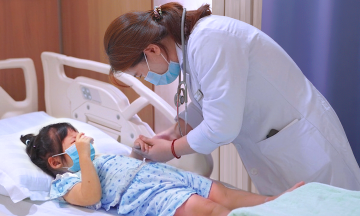
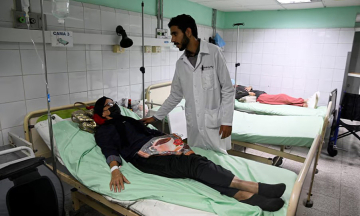
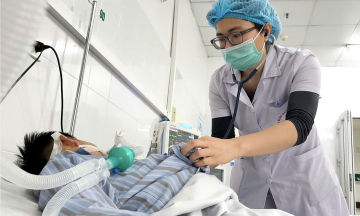
Children with severe hand, foot, and mouth disease are treated at a pediatric hospital in Ho Chi Minh City, with their limbs restrained to the bed to prevent agitation. *Photo: Thanh Nguyen*
Hand, foot, and mouth disease is primarily transmitted via the gastrointestinal tract, through contact with feces, nasal and throat secretions, fluid from blisters, or contaminated objects. Common symptoms include: fever, mouth sores, and a rash with blisters on the palms, soles, knees, and buttocks.
Notably, many asymptomatic carriers of the virus become silent sources of transmission in the community. Most cases are mild, but about 18% are at risk of becoming severe. Among these, about 5% can be fatal if not treated promptly.
The health sector recommends that parents and preschools strictly implement preventive measures such as: frequent handwashing with soap under clean running water; daily cleaning of floors, surfaces, and toys with disinfectant solutions; eating cooked food and drinking boiled water; using personal items separately; and proper disposal of feces and waste. Schools must maintain the "three cleans" principle: clean eating and drinking, clean living environment, and clean hands. The EV71 hand, foot, and mouth disease vaccine, approved for circulation on 17/3, is the first vaccine for this disease in Vietnam.
When children show suspected signs of the disease, such as fever or blisters on their hands, feet, or mouth, they should be kept home from school and taken to a medical facility for examination. Sick children need to be isolated, contact should be limited, and hugging or kissing avoided. Parents must monitor closely and take children to the hospital immediately if severe signs appear, such as: high fever that is difficult to reduce, startling, lethargy, limb tremors, restlessness, frequent vomiting, or unsteady gait.
Le Phuong
hand, foot, and mouth disease | EV71