Dry eye is a condition where tear secretion is disrupted, resulting in reduced tear volume, poor tear quality, or rapid evaporation, leaving the eyeball surface insufficiently moisturized. If prolonged, dry eyes can cause corneal damage, diminished vision, and severe complications.
Common causes include extended use of electronic devices, which decreases blinking frequency, heightens exposure to blue light, and impacts the eye's regulatory mechanisms. Deficiencies in certain nutrients can also impair lacrimal gland function.
Doctor Hoang Quyet Tien from the Medical Information Center at Tam Anh General Hospital TP HCM recommends nutrients effective in reducing dry and tired eyes:
**Vitamin A**
Vitamin A protects mucous membranes and corneas, combating viral or bacterial infections. This nutrient also helps form visual pigments, enabling better adaptation and vision in low light. A deficiency can lead to dry eyes, night blindness (impaired vision in dim light), and conjunctivitis, severely affecting vision and potentially causing blindness. Rich sources of vitamin A include animal liver, milk and dairy products, carrots, tomatoes, oranges, mangoes, and various green vegetables.
**Vitamin C**
Vitamin C helps maintain the stable function of the tear film, reduces the harmful effects of ultraviolet rays on the eyes, and supports cells in combating free radicals. Foods high in vitamin C include guava, acerola cherries, citrus fruits, papaya, bell peppers, and yellow peppers.
**Vitamin E**
Vitamin E shields eyes from harmful external factors, promotes blood circulation, and stabilizes the corneal epithelial membrane, helping maintain surface eye moisture. This vitamin is found in vegetable oils and nuts like chestnuts and almonds.
**Antioxidants**
Antioxidants like sulforaphane, lutein, and zeaxanthin neutralize free radicals, ensuring visual cells function normally and stay healthy. Lutein and zeaxanthin form a natural filter, protecting eyes from harmful light and reducing the risk of retinal damage. Dark green leafy vegetables such as kale, spinach, broccoli, and egg yolks are good sources of these antioxidants.
Sulforaphane enhances the body's ability to combat free radicals and protects retinal cells from oxidative stress. Natural broccophane extract, derived from broccoli, contains sulforaphane. It is proven to promote thioredoxin synthesis, a crucial protein that maintains and protects visual cells, aiding eye regulation.
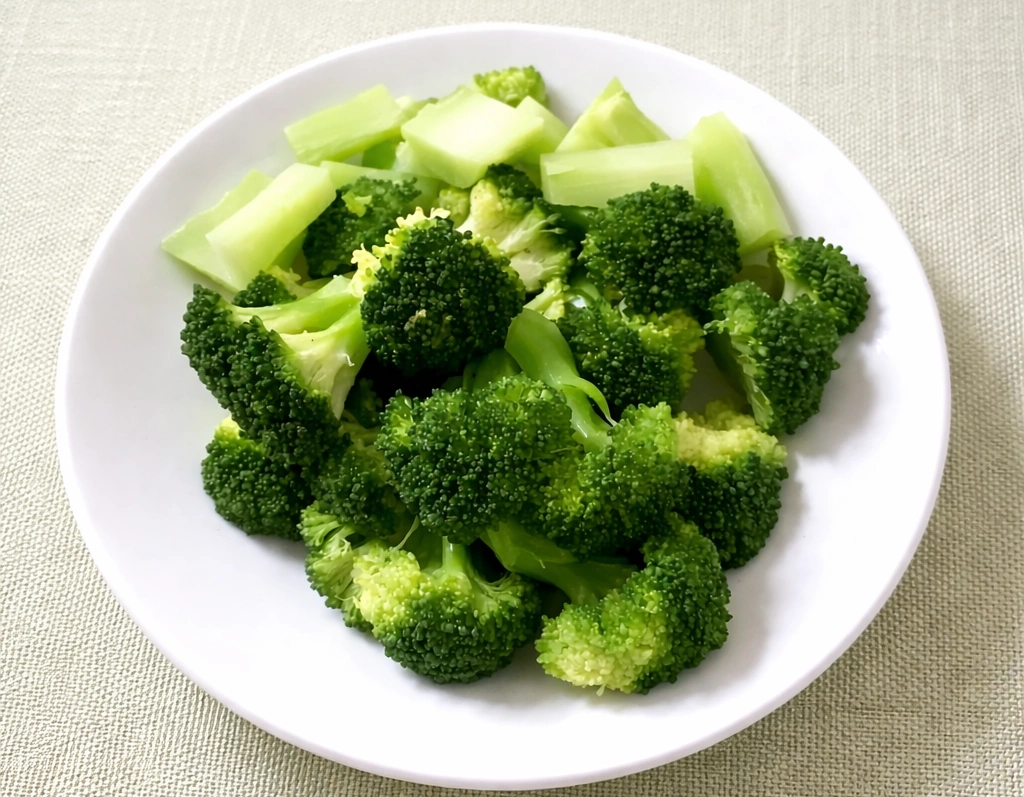 |
Broccoli provides lutein, zeaxanthin, and sulforaphane, beneficial for eye health. Photo: Dinh Dieu |
**Omega-3**
Omega-3 creates a stable oil layer in the tear film, preventing evaporation, lubricating the eyes, and reducing inflammation, thereby alleviating dryness. Rich sources of omega-3 include fatty fish such as salmon, mackerel, sardines, and herring, as well as nuts like flaxseeds, chia seeds, and walnuts.
**Minerals**
Zinc, selenium, magnesium, and copper maintain lacrimal gland activity and stabilize corneal structure, thus helping to moisturize the eyeball surface. Deficiencies in these minerals reduce tear film quality, making eyes prone to dryness, grittiness, and irritation. These nutrients are plentiful in seafood, beans, whole grains, and green vegetables.
Doctor Tien advises that alongside a diet rich in essential nutrients, balancing screen time with rest periods is crucial for eye relaxation. After every 45 minutes of focused work, take a 5-10 minute break to gaze into the distance or massage your eyes. When outdoors in bright sunlight, wear sunglasses and a wide-brimmed hat to minimize negative impacts from UV rays and dust. When working, reading, or using electronic devices, maintain a moderate distance from your eyes to the screen.
Dinh Dieu
| Readers can submit questions about ophthalmological conditions here for doctors to answer. |