On the morning of 20/5, Deputy Prime Minister Pham Thi Thanh Tra attended Vietnam Organ and Tissue Donation Response Day at Hanoi Medical University. She announced her personal registration to donate tissues and organs after her death.
"Organ and tissue donation is not merely a medical act; it is the noblest humanitarian gesture, embodying the philosophy that 'giving is forever'," the deputy prime minister stated, adding that she "personally completed the organ and tissue donation registration form on this meaningful response day." The program, organized by the Ministry of Health in coordination with other units, aims to encourage people to register for organ and tissue donation and save lives.
The deputy prime minister recounted the story of a 19-year-old British tourist who suffered an accident in Ha Giang. Despite doctors' efforts, she did not survive. Her family decided to donate her organs, which were transplanted into 4 patients and restored sight for two others.
"A young girl left this life, but her compassionate heart remains with Vietnam," Mrs. Tra said.
Every donated body part kindles hope, revives a life, and offers a family the chance for reunion. Therefore, the government leader urged people to register for organ donation, as each registration form for organ and tissue donation today could become a lifeline for many patients tomorrow.
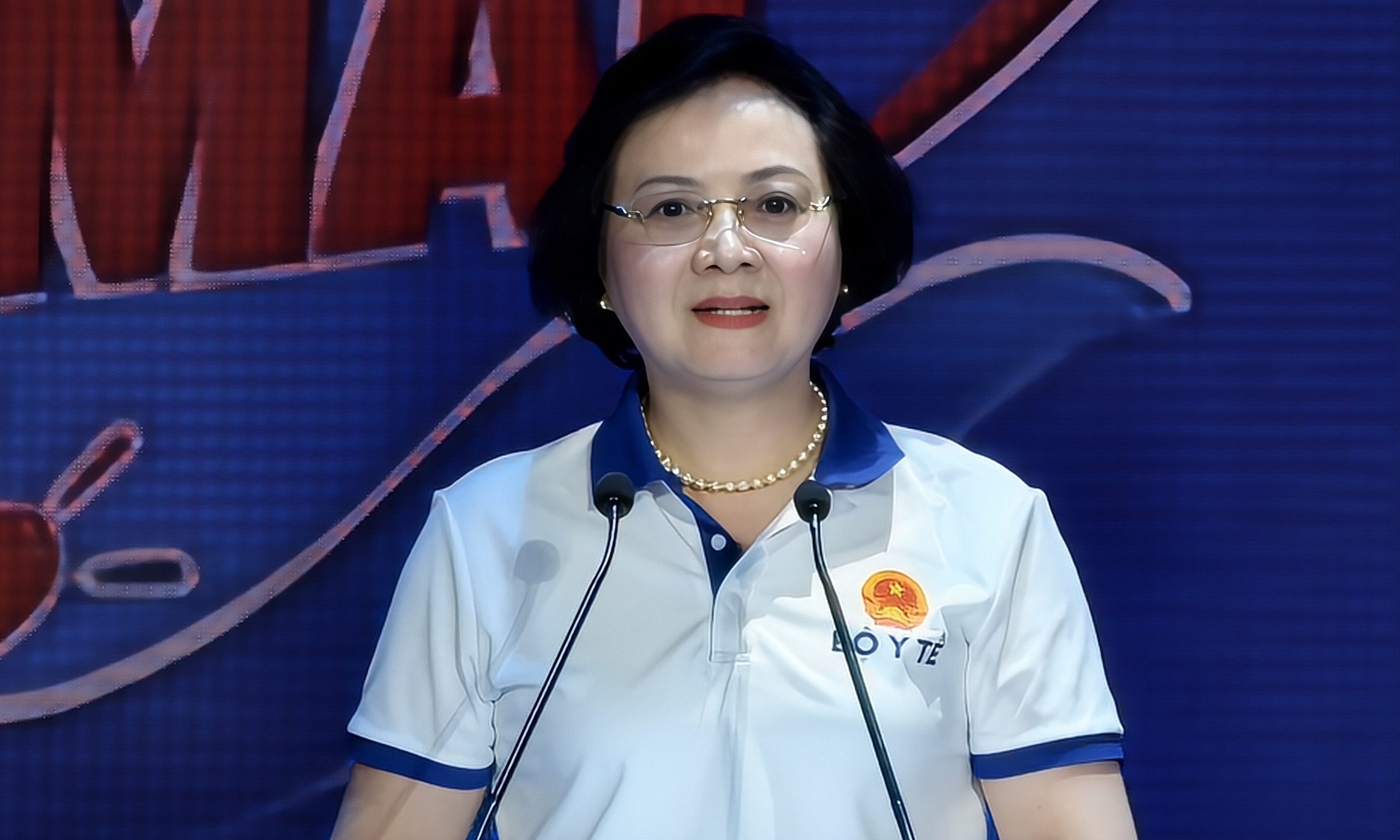 |
Deputy Prime Minister Pham Thi Thanh Tra speaks at Vietnam Organ and Tissue Donation Response Day, 20/5. Photo: Tuan Dung |
Organ transplantation stands as one of the 20th century's most significant medical achievements. While Vietnam lagged the world by 50 years and regional countries by about 20 years in this field, its current organ transplantation expertise is now on par with many nations. Post-transplant survival rates in Vietnam are even higher than in some developed countries, while costs are significantly lower.
More than 30 years after its first successful organ transplant, Vietnam has now mastered the techniques for various types of organ transplants, consistently performing numerous multi-organ procedures. In the last two years, hospitals have successfully performed over 1,000 organ transplants annually, the highest number in Southeast Asia.
Minister of Health Dao Hong Lan announced that Vietnam has performed over 10,800 organ transplants. However, the majority of donated organs, approximately 90% of all cases, come from living donors, while the number of brain-dead donors remains limited.
To date, over 177,000 people nationwide have registered to donate tissues and organs after death. In 2025, there were 66 cases of brain-dead organ donors, a significant increase compared to previous years. Leaders at the Ministry of Health believe that public awareness of organ donation is gradually shifting positively, with more people viewing it as a humane act that extends the lives of others.
May 20 has been designated as Vietnam Organ and Tissue Donation Response Day. The year 2026 marks the first time the program is being organized nationwide, aiming to enhance public awareness, dismantle psychological barriers, and honor those who have given the gift of life through organ donation.
Le Nga