Change exercise habits
Exercise lowers blood sugar by increasing insulin sensitivity, helping the body use glucose more effectively. According to Very Well Health, individuals with diabetes should exercise for at least 30 minutes daily through activities such as walking, cycling, swimming, or yoga.
Exercising in the afternoon or after dinner can stabilize nighttime insulin, burn calories, and limit blood sugar spikes the following morning. A light walk also helps relax and reduce stress after a busy workday.
Drink apple cider vinegar
Apple cider vinegar can help control blood sugar by slowing gastric emptying and limiting sugar absorption into the bloodstream. Consuming one to two tablespoons after meals may help reduce LDL cholesterol and HbA1c, an indicator reflecting average blood sugar over two to three months.
Acetic acid in apple cider vinegar also inhibits enzymes that break down starch into sugar, thereby slowing the rate of blood sugar increase. However, individuals with diabetes should consult a doctor before use, as excessive consumption can erode tooth enamel, cause mineral loss in bones, and lead to hypokalemia.
 |
Apple cider vinegar helps slow gastric emptying. Illustration created by AI
Increase fiber intake
Fiber slows carbohydrate digestion, boosts beneficial gut bacteria, and helps blood sugar levels rise gradually. According to Healthline, there are two types of fiber: insoluble and soluble fiber.
Soluble fiber can regulate and reduce the body's blood sugar levels. Foods rich in fiber that individuals with diabetes should consume regularly include vegetables, fruits, legumes, and whole grains. The recommended daily fiber intake is approximately 25 g for women and 35 g for men.
Choose low glycemic index foods
Checking the glycemic index and sugar content of foods before selection helps individuals with diabetes manage blood sugar safely without medication. The glycemic index (GI) measures the rate at which carbohydrates break down during digestion and the body's rate of sugar absorption. The GI categorizes foods into three groups: low, medium, and high, ranked from 0 to 100. Regularly eating low GI foods can reduce blood sugar levels.
Manage stress
To avoid impacting blood sugar, individuals with diabetes need to maintain a comfortable mental state and reduce stress. This mental state stimulates the body to release hormones called glucagon and cortisol, which cause blood sugar levels to rise.
Limit evening carbohydrates
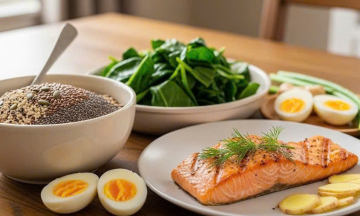
Carbohydrates are an important part of any diet, but individuals with diabetes need to control their consumption, especially in the evening. This is because the body converts most carbohydrates into glucose. If carbohydrates are eaten late at night, blood glucose levels can easily increase. When feeling hungry in the evening, individuals with diabetes should choose fiber-rich or protein-rich, low-fat snacks to feel full without affecting blood sugar.
Some foods to prioritize in the evening include: fresh fruits and vegetables, non-fat or low-fat yogurt, plain popcorn, and boiled eggs. The American Diabetes Association recommends that adults consume 45-60 g of carbohydrates per main meal and 15-20 g in snacks.
Anh Chi (Compiled)
| Readers can ask questions about diabetes here for doctors to answer |