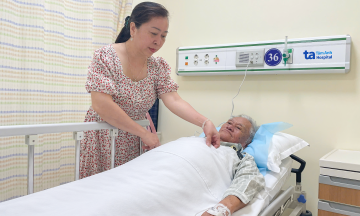
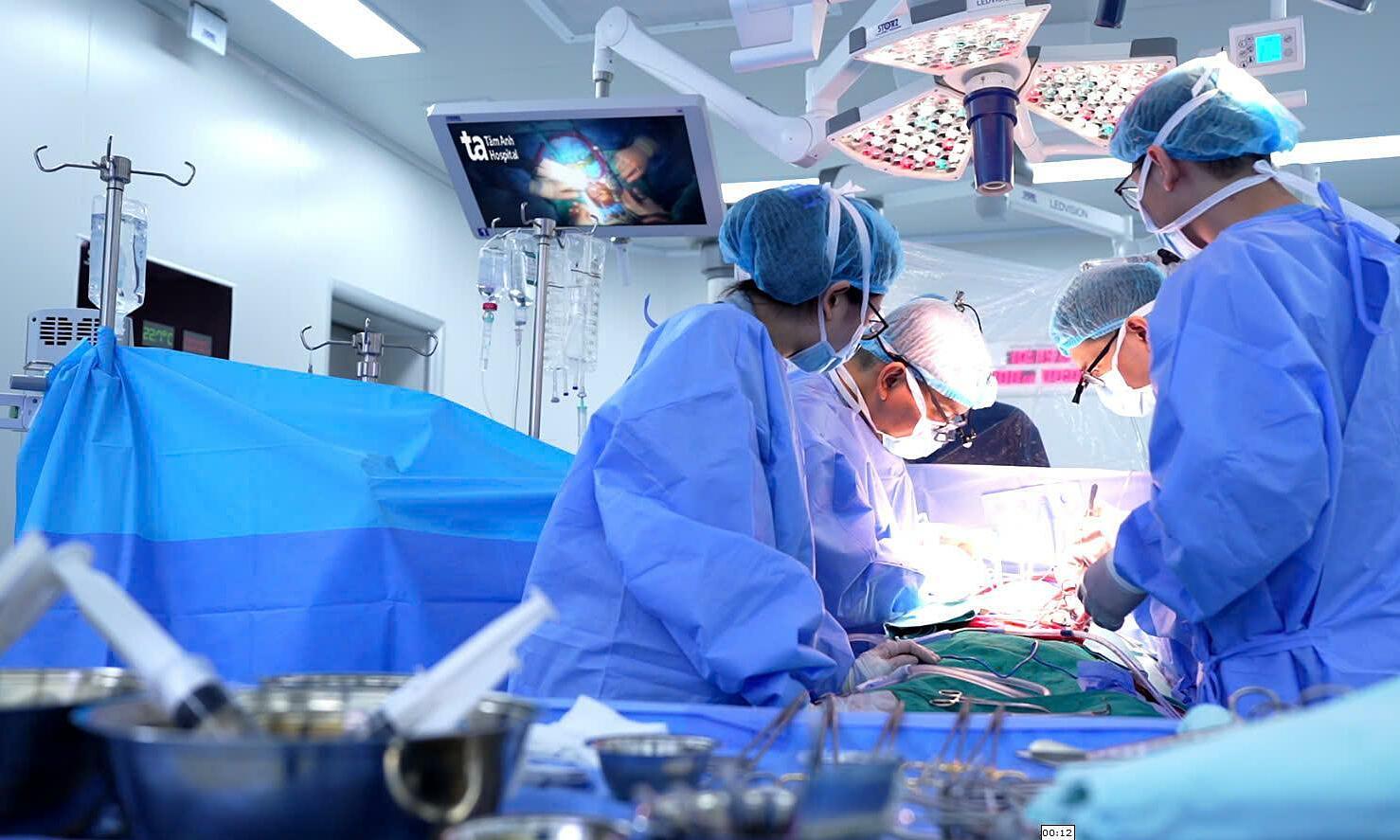
Dr. Nguyen Trong Thuy, former head doctor for the Vietnam National and U23 football teams, states that dinner is when the body prepares for rest and recovery. Consuming too much, eating too late, or consistently choosing unhealthy foods can put additional strain on the cardiovascular system, particularly for individuals with risk factors such as high blood pressure, dyslipidemia, or diabetes.
Below are three dinner habits that can harm your health:
Excessive salt and processed foods at dinner
Dishes high in salt, such as cold cuts, sausages, canned goods, or heavily seasoned meals, can lead to sodium intake exceeding recommended levels. According to the American Heart Association (AHA), consuming too much sodium can increase blood pressure, a primary risk factor for cardiovascular disease. For some individuals, high salt intake in the evening can also interfere with the natural drop in blood pressure during sleep, forcing the heart to work harder. Therefore, it is advisable to limit processed foods at dinner and prioritize fresh, lightly seasoned options.
Overconsumption of saturated fats and red meat
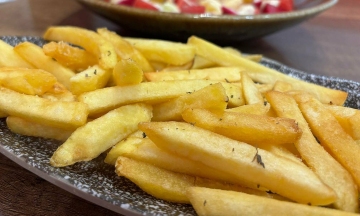
Fried foods, fatty red meats, or grilled dishes consumed frequently at dinner can elevate saturated fat and cholesterol levels in your diet. Over time, a diet rich in saturated fats can increase low-density lipoprotein (LDL) cholesterol, often called "bad cholesterol," contributing to the formation of arterial plaque and raising the risk of cardiovascular diseases. Instead of high-fat meals, opt for fish, skinless poultry, tofu, and dishes that are steamed, boiled, or lightly pan-fried.
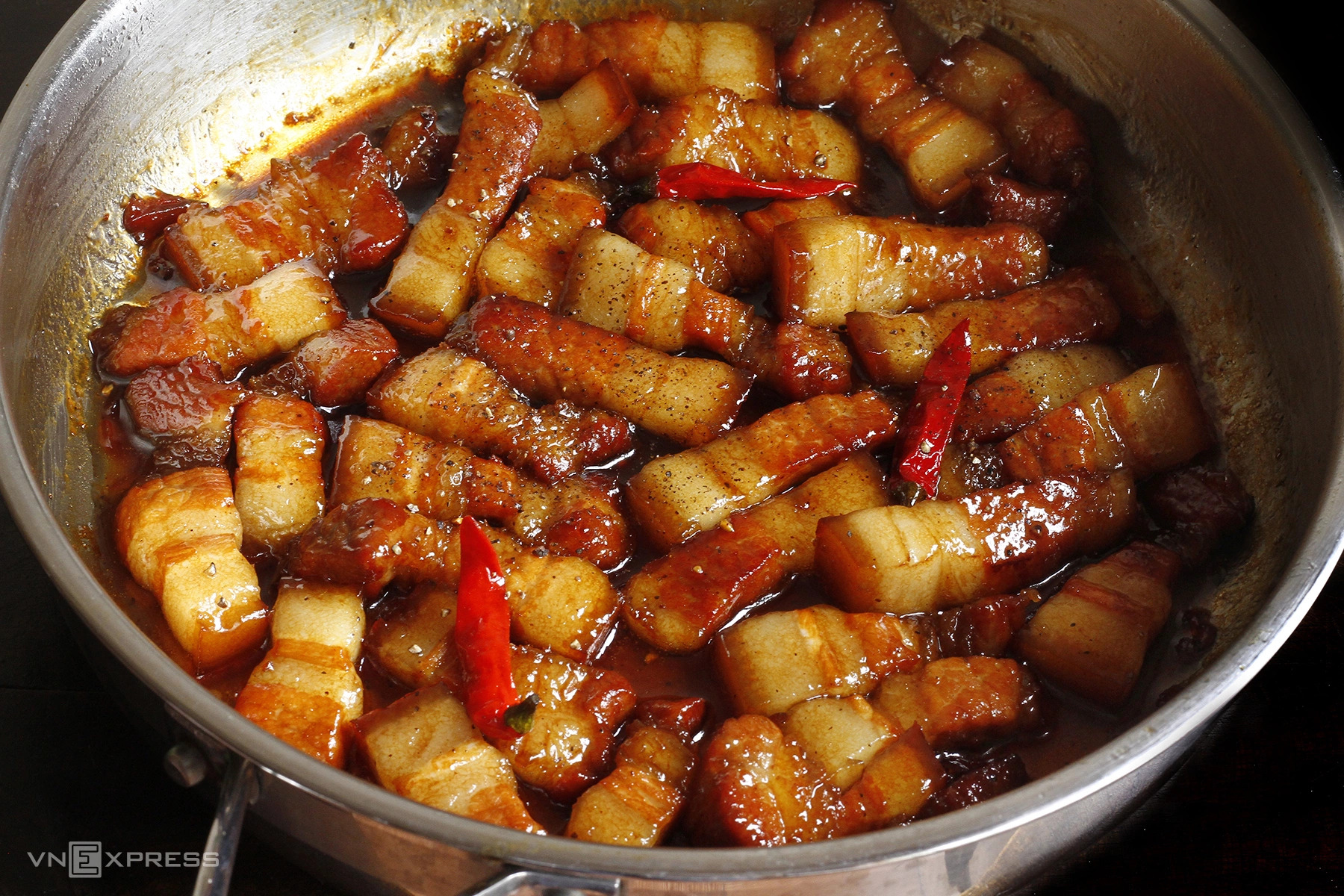 |
A dinner with overly salty dishes, too much red meat, or fatty fried foods might be delicious but is unhealthy. *Illustration: Bui Thuy*
Eating too late or a heavy meal before bedtime
Due to busy schedules, many individuals often have dinner after 21:00 or go to sleep immediately after eating. This habit not only impairs digestion but can also negatively affect metabolic health. A study by Sorbonne University in France, involving over 100,000 participants, revealed that those who regularly ate dinner after 21:00 had a higher risk of cardiovascular events compared to those who ate before 20:00. Experts advise having dinner approximately two to three hours before bedtime to allow the body sufficient time to digest food and rest effectively.
Optimizing dinner for heart health
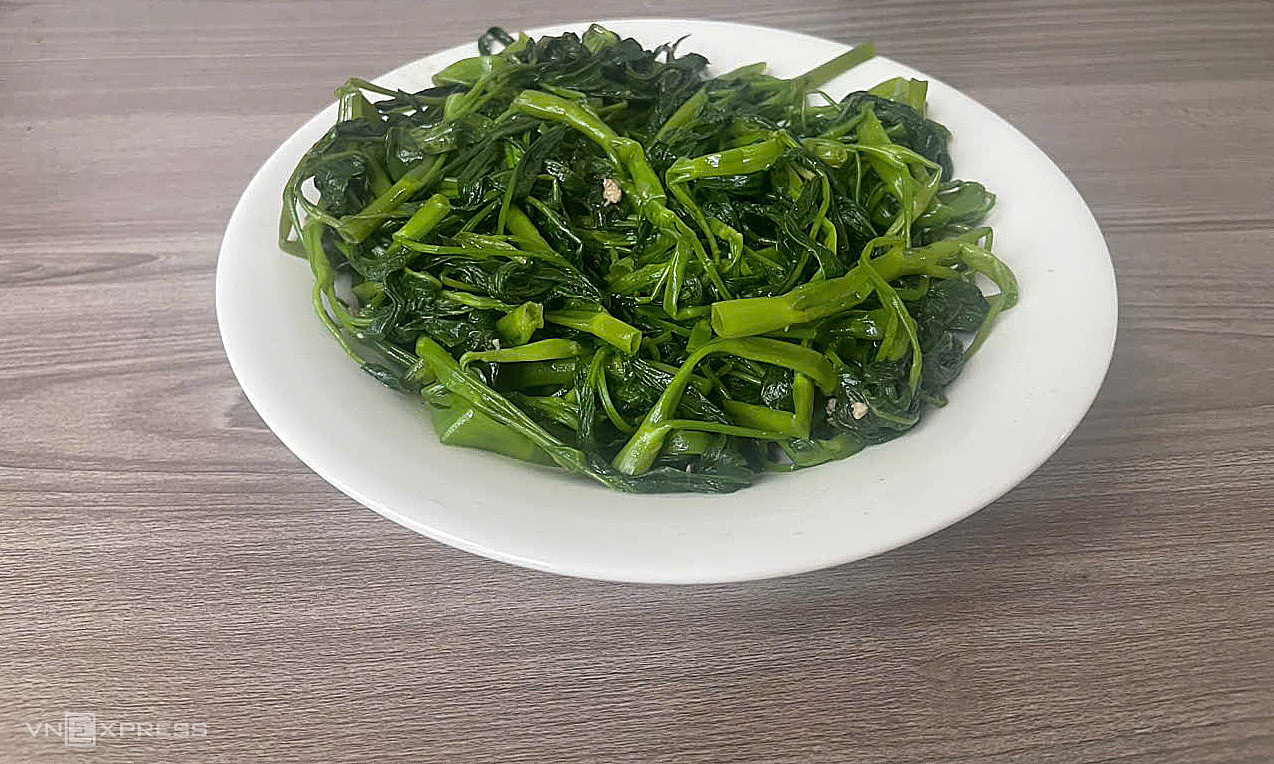
To maintain cardiovascular health, the doctor recommends following a 2:1:1 portion rule: 50% green vegetables, 25% lean protein-rich foods, and 25% whole grains or slow-absorbing carbohydrates like sweet potatoes and brown rice. It is crucial to limit salt, sugar, and saturated fats at dinner. Prioritize steaming, boiling, or lightly pan-frying instead of deep-frying. Aim to finish dinner at least two to three hours before bedtime and avoid eating excessively.
A gentle walk of approximately 15 to 20 minutes after dinner can aid digestion and help manage blood sugar levels. Maintaining a balanced dinner, combined with regular physical activity, adequate sleep, and effective management of risk factors such as blood pressure, blood sugar, and blood fat levels, will contribute to a reduced risk of future cardiovascular diseases and heart attacks.
Thuy Quynh