According to Eating Well, a medium-sized potato with its skin contains about 168 calories and 2,7 g of fiber, which is equivalent to 10% of the daily nutritional value. Fiber helps increase feelings of fullness, thereby supporting appetite control.
Potatoes also contain resistant starch, a type of carbohydrate that is difficult to digest, which helps prolong satiety and supports blood sugar control. Vitamin C and antioxidants in potatoes contribute to cell protection and inflammation reduction. Chronic inflammation is associated with overweight and obesity.
However, the way potatoes are prepared and combined with other foods can significantly increase calorie content, affect blood sugar control, and lead to the body storing excess fat.
Fried potatoes
French fries and breaded potato dishes typically contain significantly more fat and calories than boiled or baked potatoes. According to WebMD, 100 g of french fries provides about 310-350 calories. Frequent consumption can lead to excess energy, promoting fat accumulation, hindering weight loss, and increasing the risk of chronic diseases. The salty, fatty taste of french fries can easily stimulate cravings, making it difficult to control calorie intake and leading to overeating.
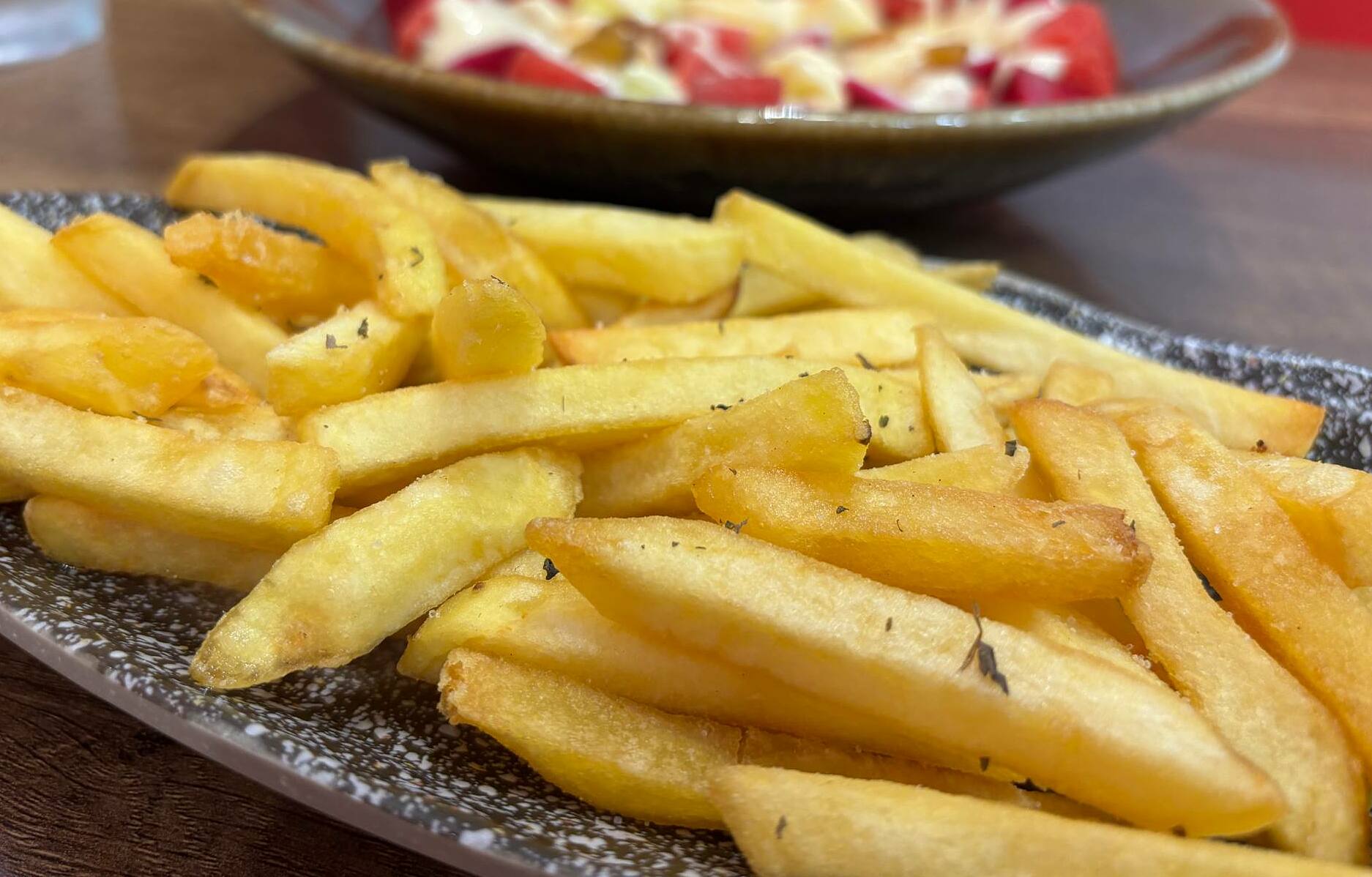 |
Fried potatoes are high in oil and calories. Photo: Anh Chi
Adding high-calorie toppings
Adding butter, cheese, sour cream, or bacon can substantially increase the calorie count of a dish. Potato and carrot soups cooked with pork hock or pig tail can also provide over 600 calories per bowl, while also containing high levels of saturated fat. Regular consumption can easily lead to excess energy, fat accumulation, and increased blood cholesterol.
Eating overly large portions
Large portions can provide more calories than needed, hindering weight loss. One boiled, steamed, or baked potato provides about 100 calories, but eating three to four potatoes at once can significantly increase the total energy intake. Potatoes have a medium to high glycemic index depending on preparation, so consuming too many can raise blood sugar, contributing to excess energy and fat accumulation, especially visceral fat.
Combining with starch-rich meals
Individuals seeking weight loss should use potatoes as a substitute for white rice, vermicelli, or pho, avoiding consumption with many other starch-rich foods. Potatoes can be combined with green vegetables and lean protein sources such as chicken breast, fish, lean beef, or eggs to create a balanced meal and limit muscle loss.
Prioritize boiled, steamed, baked potatoes, or those prepared using an air fryer. A small amount of olive oil, herbs, or spices can be added to enhance flavor without significantly increasing calories. Cooking and then cooling potatoes can increase resistant starch, while the skin contains abundant fiber, which helps boost feelings of fullness.
According to Healthline, individuals aiming for weight loss may consider a boiled potato diet for three to five days, consuming about 0,9-2,3 kg of potatoes daily, without seasonings or sauces like ketchup, butter, sour cream, or cheese. However, to ensure adequate nutrition, it is advisable to combine potatoes with other food groups, especially green vegetables and lean protein sources, rather than solely eating potatoes.
Anh Chi (Compiled)
| Readers can send questions about endocrine diseases here for doctors to answer. |