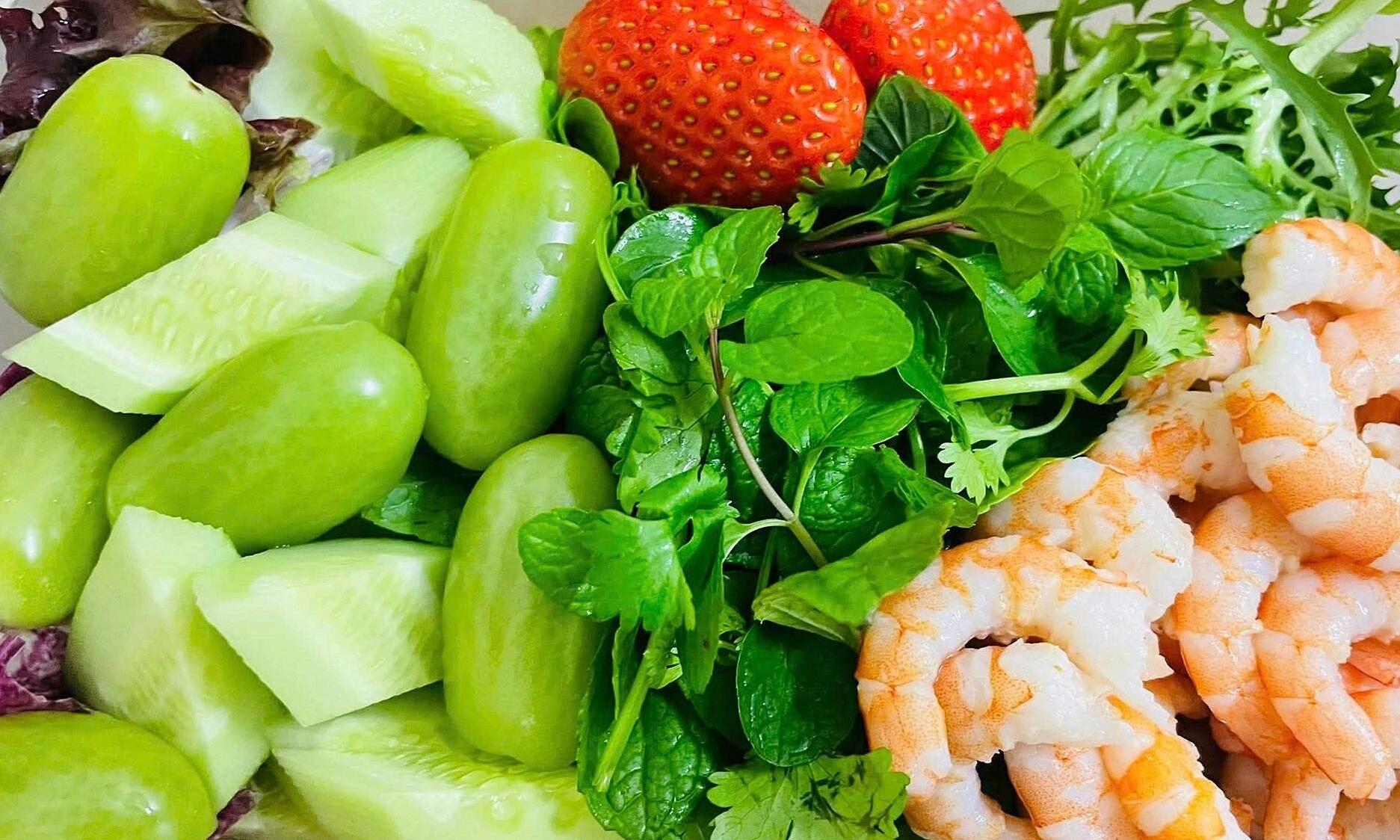
Vegetables provide fiber, vitamins, minerals, and various beneficial plant compounds essential for health. However, how food is prepared and chosen significantly impacts the nutrients your body receives.
Overcooking vegetables is a common mistake that can reduce their nutritional value. According to Times of India, boiling vegetables for too long can cause some vitamins to degrade or dissolve into the water. This also makes vegetables mushy, leading to a loss of crispness and vibrant color, which makes dishes less appealing. Steaming, quick stir-frying, or blanching vegetables until just tender are better methods for retaining their nutrients.
Prolonged soaking of vegetables before cooking can also strip them of vital nutrients. Many people soak vegetables in water for extended periods, believing it effectively removes dirt and impurities. However, this practice can cause water-soluble vitamins to leach out. Instead, rinse vegetables under clean running water, gently removing soil and wilted leaves, then prepare them immediately without prolonged soaking.
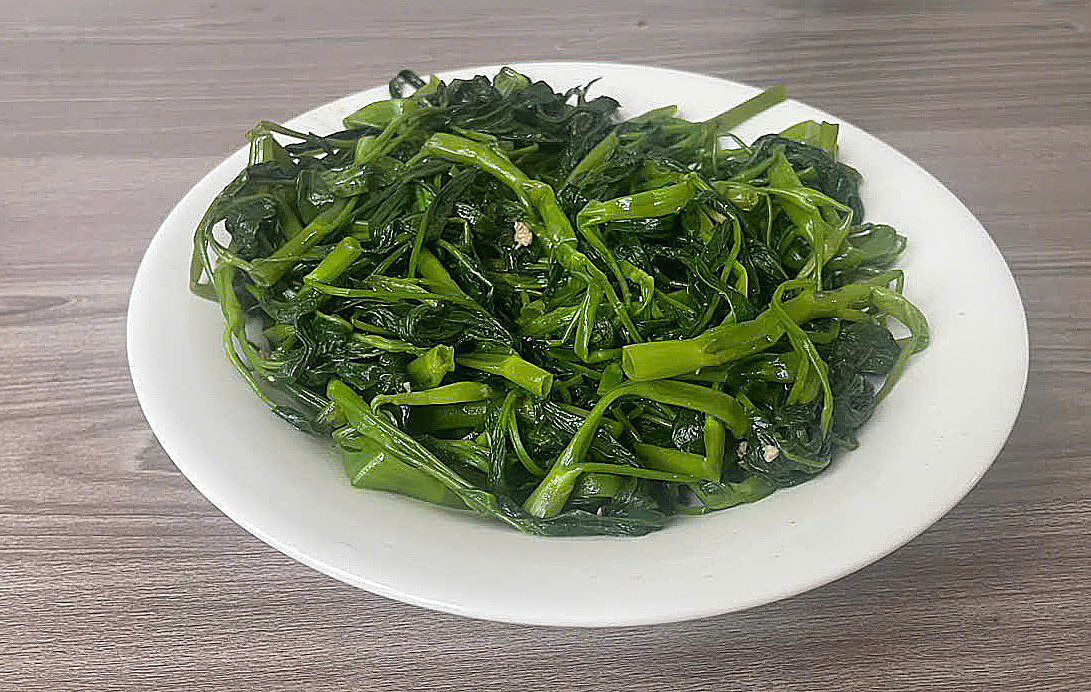 |
Cooking vegetables until just tender helps retain nutrients. Photo: Le Nguyen |
Relying solely on raw vegetables does not always ensure optimal nutrient absorption. While raw vegetables retain some heat-sensitive vitamins, cooking can soften food, aiding the body's uptake of nutrients. For example, cooked tomatoes increase lycopene absorption. Additionally, properly cooking vegetables at risk of bacterial contamination can eliminate pathogens, making them safer for consumption.
Limiting vegetable variety is another common error. Regularly eating only familiar vegetables, such as water spinach, mustard greens, or lettuce, without changing the menu, means missing out on a wide range of nutrients. Each vegetable offers distinct vitamins, minerals, and plant compounds; a diverse intake ensures your body receives a broad spectrum of these essential substances.
Families should consume a variety of dark leafy greens, cruciferous vegetables, carrots, pumpkin, tomatoes, bell peppers, and other root vegetables. According to Eating Well, different colored vegetables often contain different groups of plant compounds, emphasizing the importance of diverse colors in each meal.
Omitting healthy fats when eating vegetables can hinder nutrient absorption. The body absorbs some nutrients in vegetables more effectively when consumed with fats. Therefore, it is not necessary to completely eliminate oils when preparing vegetables. Families can use a moderate amount of vegetable oil or combine vegetables with fat-containing foods.
Le Nguyen (Compiled)
| Readers can submit nutrition questions here for doctors to answer |