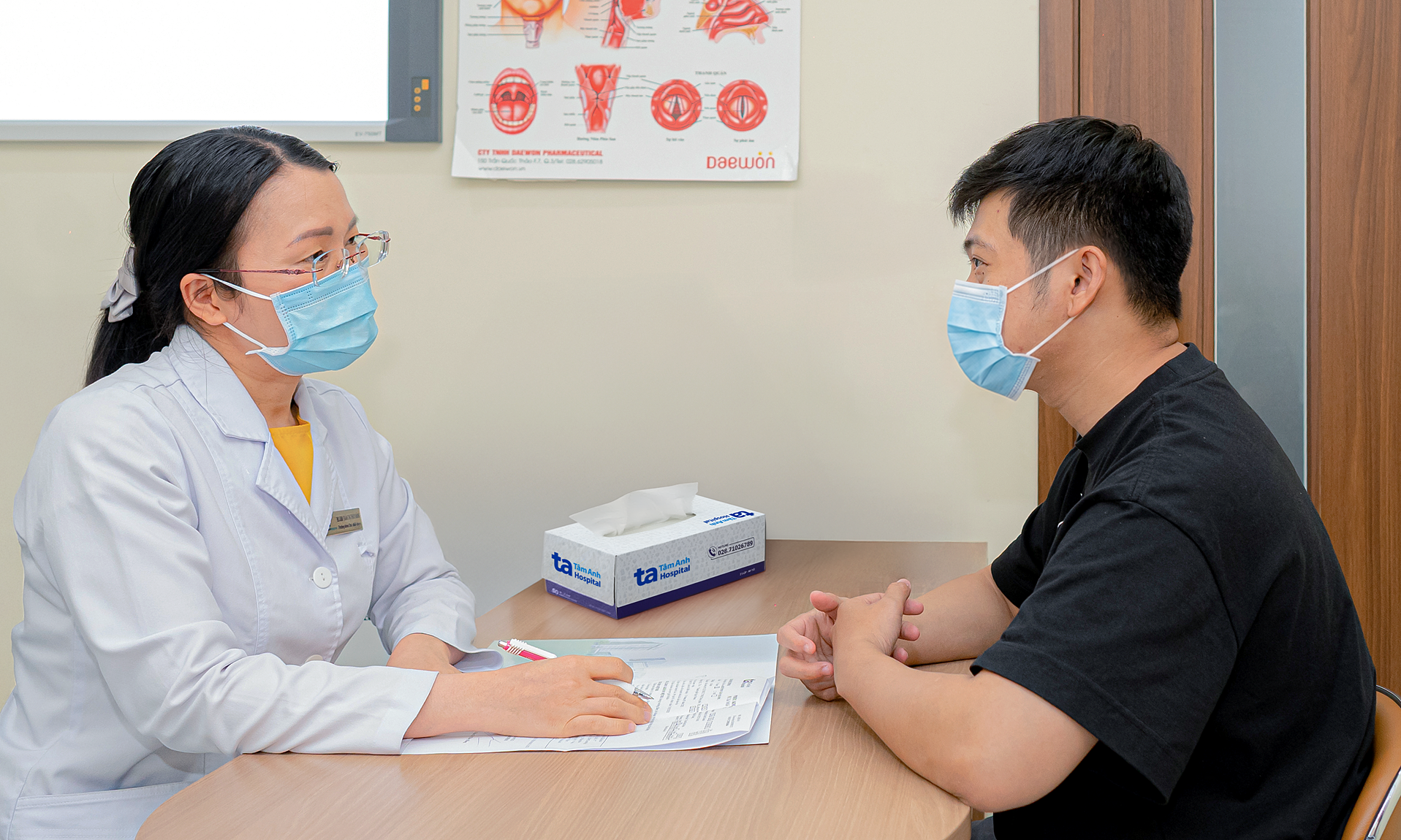
Duc, 21, a third-year university student in Hanoi, lost an aunt to cervical cancer about three years ago. Growing up, he understood it as a severe women's disease, largely unaware of the human papillomavirus (HPV) or its risks to men.
During a health awareness session, Duc discovered HPV's link to cervical cancer. He was also surprised to learn the virus can cause diseases in men, including genital warts and certain HPV-related cancers affecting the anus, oropharynx, and penis.
Following the session, Duc researched further, both local and international resources, and shared his findings with classmates. Many were initially surprised, believing the HPV vaccine was exclusively for women. However, after reviewing the information and receiving medical advice, the entire group decided to get vaccinated.
"Once we understood the risks, our group decided to get vaccinated right away", Duc stated, "because prevention is always better than waiting for an illness, especially with the often-unclear risk of HPV transmission".
Thanh, 22, a student in TP HCM, experienced a similar shift in perspective while accompanying his girlfriend for an HPV vaccination at VNVC. While waiting, he read information about HPV at the clinic and realized the virus affects more than just women.
Thanh admitted he previously viewed HPV as a sensitive and unfamiliar topic for men. His research revealed that most infected individuals are asymptomatic, yet can still transmit the virus to partners. Noticing his roommates' lack of awareness, he encouraged them to learn more and consider vaccination.
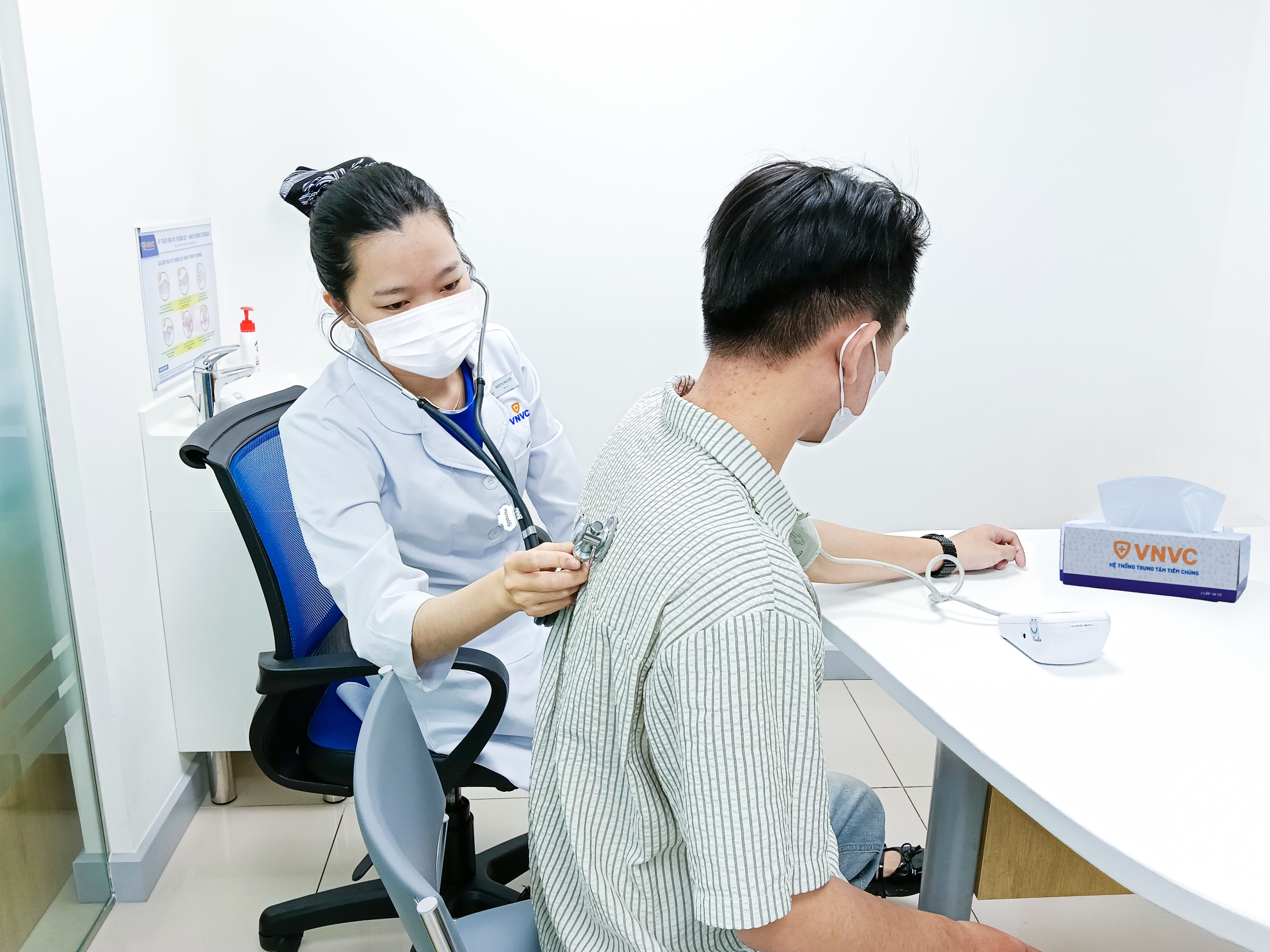 |
Male students receiving HPV vaccinations at VNVC. *Photo: Hoang Duong* |
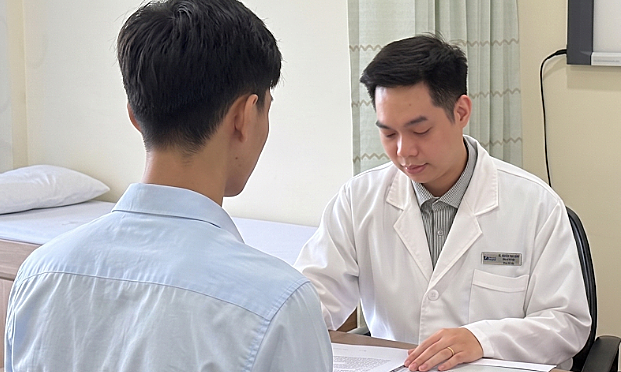
Doctor Nguyen Nhu Dien, Medical Manager at VNVC Vaccination System, explained that human papillomavirus (HPV) causes warts in humans. Recently, VNVC has observed a growing number of male students and young men seeking HPV vaccinations, often in groups or with friends, following public health campaigns and counseling about the disease.
According to Doctor Dien, this trend is a positive development, as many still mistakenly believe HPV is exclusively "a women's issue". In reality, HPV infection is common in both men and women. Infected individuals often show no symptoms, making detection difficult and transmission to partners easy.
HPV primarily spreads through sexual contact, including vaginal, oral, and anal routes. The virus can also transmit via skin or mucous membrane contact with an infected area. While transmission through contaminated objects with secretions has been documented, it is less common.
"For men, HPV screening methods are limited", Doctor Dien noted. "Many only become aware of HPV once symptoms manifest".
 |
An increasing number of male students are proactively researching preventive measures for HPV-related diseases. *Photo: Vecteezy* |
According to the World Health Organization (WHO), approximately 70,000 new HPV-related cancer cases in men were reported globally in 2019. The virus is also responsible for most cases of genital warts. Studies indicate that HPV vaccination in men significantly reduces the incidence of diseases caused by the specific HPV types covered by the vaccine, compared to unvaccinated individuals.
In Vietnam, the 9-valent HPV vaccine is available for both males and females aged 9 to 45. Children aged 9-14 typically receive two doses, administered 6-12 months apart. Individuals aged 15-45 receive three doses over a six-month period.
Doctor Dien emphasized that the HPV vaccine offers optimal protection when administered before viral exposure. It does not treat existing HPV infections. However, individuals previously infected with one HPV type may still consult their doctor about vaccination to protect against other types covered by the vaccine.
Hoang Yen