Dry eyes occur when the eyes do not produce enough tears or when tears evaporate too quickly, leading to symptoms like dryness, a burning sensation, grittiness, redness, or blurred vision. This condition can be temporary, chronic, or recurrent. Many mild cases of dry eyes can improve with lifestyle adjustments and proper eye care.
Applying warm compresses to the eyes can significantly help. According to WebMD, placing a warm cloth over your eyes for 5-10 minutes helps soften the oily layer in the meibomian glands along the eyelid margins. When oil secretion improves, tears evaporate slower, thereby reducing feelings of dryness, grittiness, and burning. Gently massaging the eyelid margins after applying the compress can further aid in clearing these oil glands.
Staying adequately hydrated throughout the day is crucial. Dehydration can decrease tear production. Drinking enough water helps the body maintain normal functions, including the process of tear secretion needed to lubricate the eyeball's surface. Individual water needs vary based on age, activity level, and living environment.
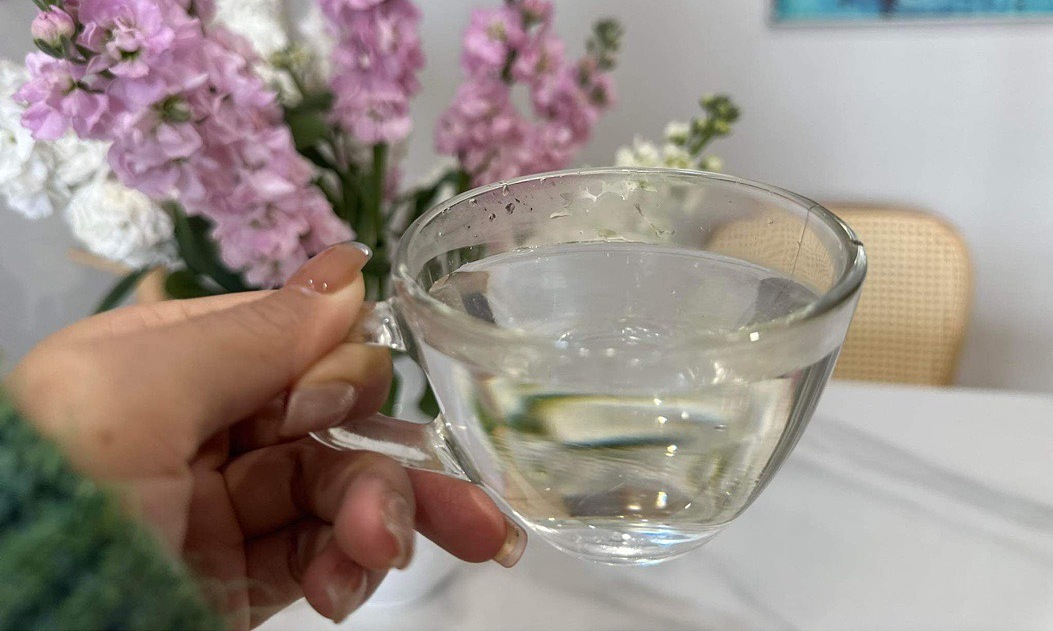 |
Drinking enough water throughout the day supports tear secretion to lubricate the eyeball's surface, reducing dryness and irritation. Photo: Ngoc Pham |
Blinking frequently is another simple yet effective habit. According to Health, many people tend to blink less when working on computers or phones for extended periods. This causes tears to evaporate rapidly, leading to drier and more tired eyes. Actively blinking slowly and fully several times every hour is recommended. Additionally, follow the 20-20-20 rule: every 20 minutes of screen time, look at an object 6 meters away for 20 seconds to allow your eyes to relax.
Practicing daily eyelid hygiene helps eliminate excess oil, dust, and debris that accumulate along the eyelid margins, thereby preventing blockages in the glands that secrete the oily layer, which slows tear evaporation. You can gently wipe your eyelid margins with a clean cloth soaked in warm water or use specialized eyelid cleansing products as directed by a doctor. This habit is particularly beneficial for individuals with blepharitis or recurrent dry eyes.
Increasing room humidity can counteract dry air. According to Healthline, dry air from air conditioning or arid weather can cause tears to evaporate quickly. Using a humidifier, placing a basin of water in the room, or avoiding direct airflow from fans or air conditioners towards your face helps keep your eyes moist and reduces irritation.
Supplementing with omega-3 rich foods can improve tear film quality. According to Verywell Health, omega-3s can help enhance the quality of the oily layer in the tear film, thereby reducing tear evaporation. Foods rich in omega-3s include salmon, sardines, mackerel, flaxseeds, chia seeds, and walnuts. Individuals considering dietary supplements should consult a doctor.
Wearing protective eyewear when outdoors is essential. Strong winds, dust, smoke, and sunlight can accelerate eye dryness. Wearing large-framed glasses or close-fitting sunglasses when outside helps limit the impact of wind and dust, reducing tear evaporation.
If dry eye symptoms persist, worsen with pain, severe redness, blurred vision, or do not improve despite lifestyle changes, individuals should visit an ophthalmology specialist for examination. In some cases, dry eyes may be linked to underlying eye conditions or systemic diseases, requiring medication or specialized treatments.
Bao Bao (compiled)
| Readers can submit questions about ophthalmic conditions here for a doctor's response |