Many people enjoy sweet potatoes for their nutritional benefits, but common preparation and consumption habits can diminish their value. Understanding these mistakes is crucial for maximizing the health benefits of this versatile root vegetable.
Peeling before boiling
According to Times of India, many individuals peel sweet potatoes before boiling for convenience. However, this practice can reduce their nutritional value. The skin is rich in fiber, polyphenols, and antioxidants, and it helps retain some vitamins and minerals during cooking.
Boiling sweet potatoes with their skin on also helps them retain their sweetness. Before cooking, wash the skin thoroughly under running water, gently scrubbing to remove any soil and impurities.
Eating sweet potatoes as a sole meal for weight loss
Sweet potatoes can aid weight loss due to their high fiber content, which promotes satiety, and their supply of slow-release carbohydrates. Nevertheless, relying solely on sweet potatoes instead of rice for extended periods to lose weight is not advisable. While they are a healthy starch source, sweet potatoes still contain calories and carbohydrates, and they do not provide sufficient protein, healthy fats, or essential micronutrients. Sustainable weight loss depends on total calorie intake and activity level.
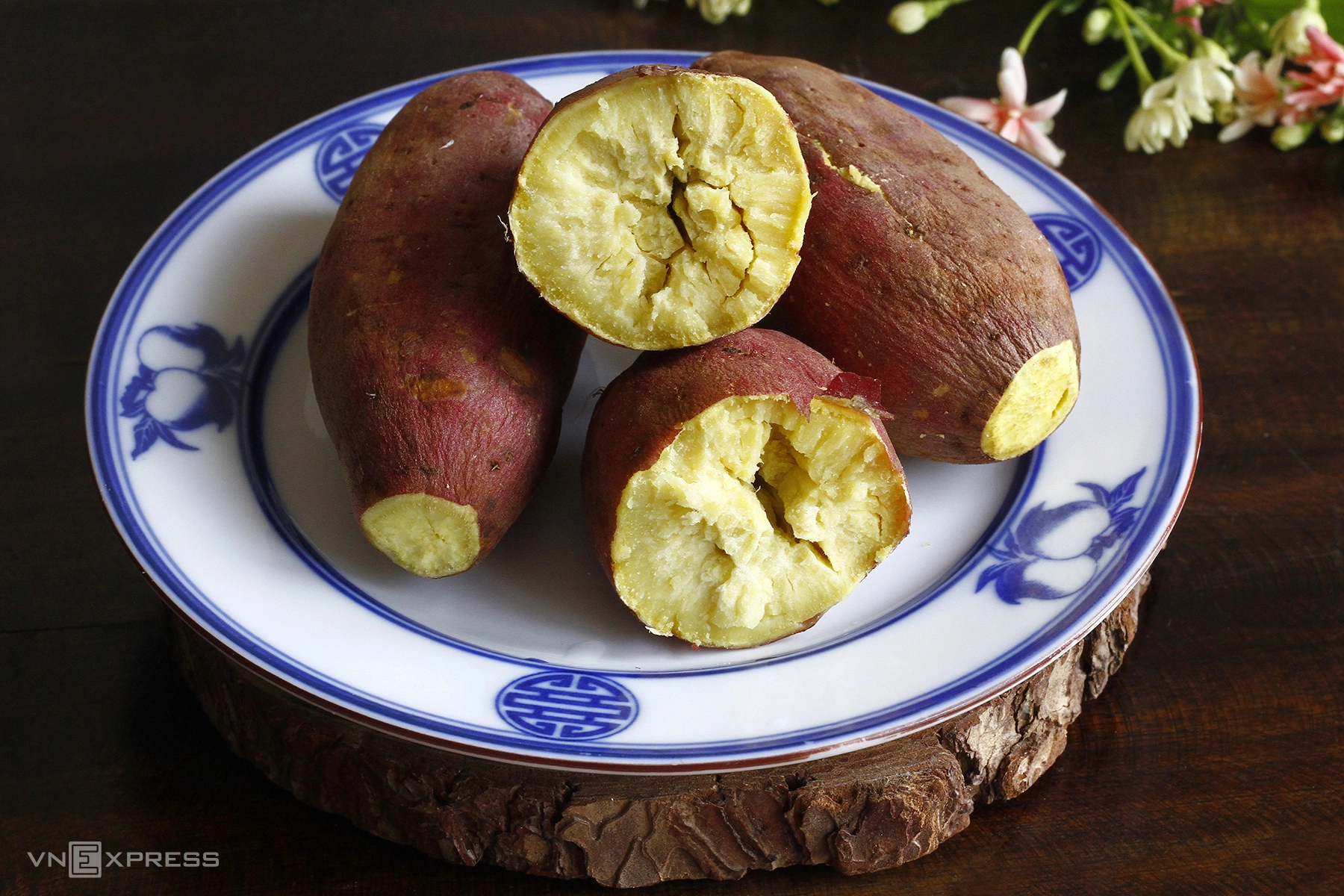 |
Boiling sweet potatoes with their skin on helps limit nutrient loss. Illustration: Bui Thuy |
Boiling sweet potatoes with their skin on helps limit nutrient loss. Illustration: Bui Thuy
Frying sweet potatoes or adding excessive sugar
Sweet potatoes are rich in fiber, vitamins, and antioxidants. However, when deep-fried or coated with excessive sugar, their nutritional value significantly diminishes. The frying process causes sweet potatoes to absorb more fat, which increases their calorie content, while high temperatures can deplete some heat-sensitive vitamins.
Adding a lot of sugar also increases the body's sugar intake, causing blood sugar levels to spike. This is not beneficial for individuals managing weight or living with diabetes, according to Eating Well.
Replacing main meals with sweet potatoes
Although sweet potatoes provide energy, they contain low protein and fat, and they fail to meet the body's full requirements for many essential vitamins and minerals. If one consumes only sweet potatoes, the body may easily lack the necessary nutrients to maintain muscle mass, support immunity, and perform vital physiological functions. Meals should combine sweet potatoes with protein-rich foods like lean meat, fish, eggs, dairy, or legumes, along with plenty of green vegetables.
Le Nguyen (Compiled)
| Readers can submit nutrition questions here for doctors to answer. |