Neck and shoulder pain or lower back numbness is a common condition among office workers. According to Master of Science, Doctor Nguyen Anh Duy Tung, from the Department of Nutrition and Dietetics at Tam Anh General Hospital, Ho Chi Minh City, the primary cause stems from static muscle overload. This occurs when muscles contract continuously in one posture for extended periods without rest. This can also impede blood circulation, reduce joint lubrication, cause spasms in supporting muscle groups, and lead to pain.
Working continuously in an air-conditioned environment and having limited sun exposure can increase the risk of vitamin D and essential mineral deficiencies. This condition affects bone density and ligament elasticity.
Doctor Tung advises individuals experiencing frequent neck and shoulder pain to combine exercise, posture correction, and a diverse, nutrient-rich diet.
Boiled eggs
Consuming one to two eggs daily provides vitamin D and calcium essential for maintaining bone density. The high-quality protein and amino acids in eggs are building blocks for connective tissue and muscles, supporting the spine against the pressure of prolonged sitting.
Ripe bananas
Eating about one to two bananas a day helps the body obtain sufficient magnesium, potassium, and vitamin B6. These minerals are involved in regulating neurotransmission, helping to alleviate chronic spasms in the neck and shoulder muscle groups.
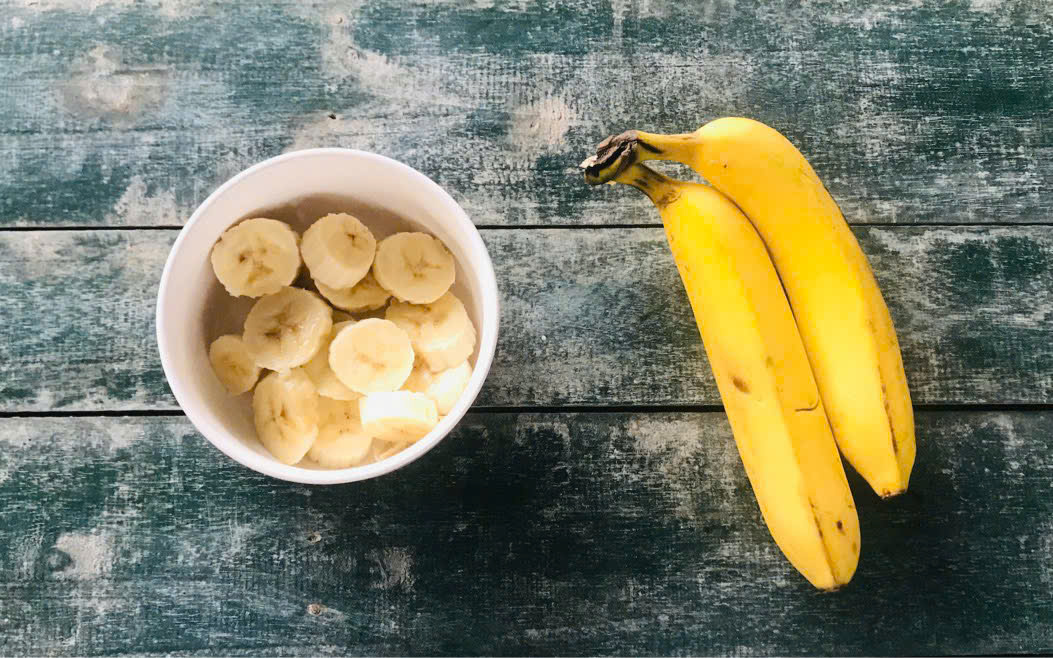 |
Bananas are rich in nutrients that help reduce neck and shoulder pain. *Photo: Bao Bao* |
Avocado
Eating half an avocado daily can help the body get enough vitamin E, magnesium, and monounsaturated fats (omega-9). The combination of these antioxidant components can help slow down the natural wear and tear of cartilage cells while maintaining the elasticity of the ligament system.
Walnuts
This nut is rich in natural omega-3s; consuming about 15-30 g of walnuts (equivalent to four to six nuts) daily helps inhibit inflammatory responses caused by static muscle overload. You can eat them alone or combine them with yogurt.
Broccoli
Each person should eat about 100-150 g of broccoli daily (or three to four times a week). This vegetable contains vitamin C, which promotes the self-synthesis of collagen for joint cartilage regeneration, combined with vitamin K to optimally support calcium supplementation into bones.
King oyster mushrooms
Adding about 100 g of king oyster mushrooms to meals (two to three times a week) helps supplement natural vitamin D2 and the compound ergothioneine. This amount is sufficient to compensate for vitamin D deficiency due to limited sun exposure, contributing to strengthening joint tissue structure.
Soy milk
Drinking 200-250 ml of soy milk daily will supplement the body with calcium, magnesium, and isoflavones. These nutrients play a role in maintaining strong bones and supporting the body in secreting lubricating fluid for active joints.
In addition to daily foods, supplementing with natural bioactive compounds such as undenatured type II collagen, collagen peptides, chondroitin sulfate, turmeric extract, and eggshell membrane is also beneficial. These components help inhibit inflammatory responses, contribute to protecting the joint capsule, and stimulate joint cartilage regeneration, thereby reducing pain.
Doctor Duy Tung notes that dietary and nutritional supplement solutions are only supportive and do not replace medication or medical treatment for musculoskeletal conditions. When symptoms such as prolonged pain, hot red swollen joints, joint deformity, or significant restricted movement appear, patients should seek medical attention.
Bui Duc
| Readers can ask nutrition questions here for the doctor to answer |