Eggs are a common food, rich in protein, vitamins, and minerals. To select the right product, buyers should understand information about external appearance rather than relying solely on price.
Check shell appearance and integrity
When choosing eggs, check that the shell is intact, without cracks, breaks, or leaks. Cracked eggs can allow bacteria to enter, increasing food safety risks. According to Times of India, buyers should also check the packaging date and storage conditions before purchasing. After buying, refrigerate eggs promptly.
Shell color does not determine egg nutritional value
According to the U.S. Department of Agriculture (USDA), brown and white eggs generally have similar nutritional content. Color primarily results from the chicken breed's genetics and pigments produced during shell formation.
Egg nutritional content can vary depending on the breed, age of the chicken, feed, and rearing conditions. For instance, a chicken's diet can influence the content of certain nutrients and fatty acids in its eggs.
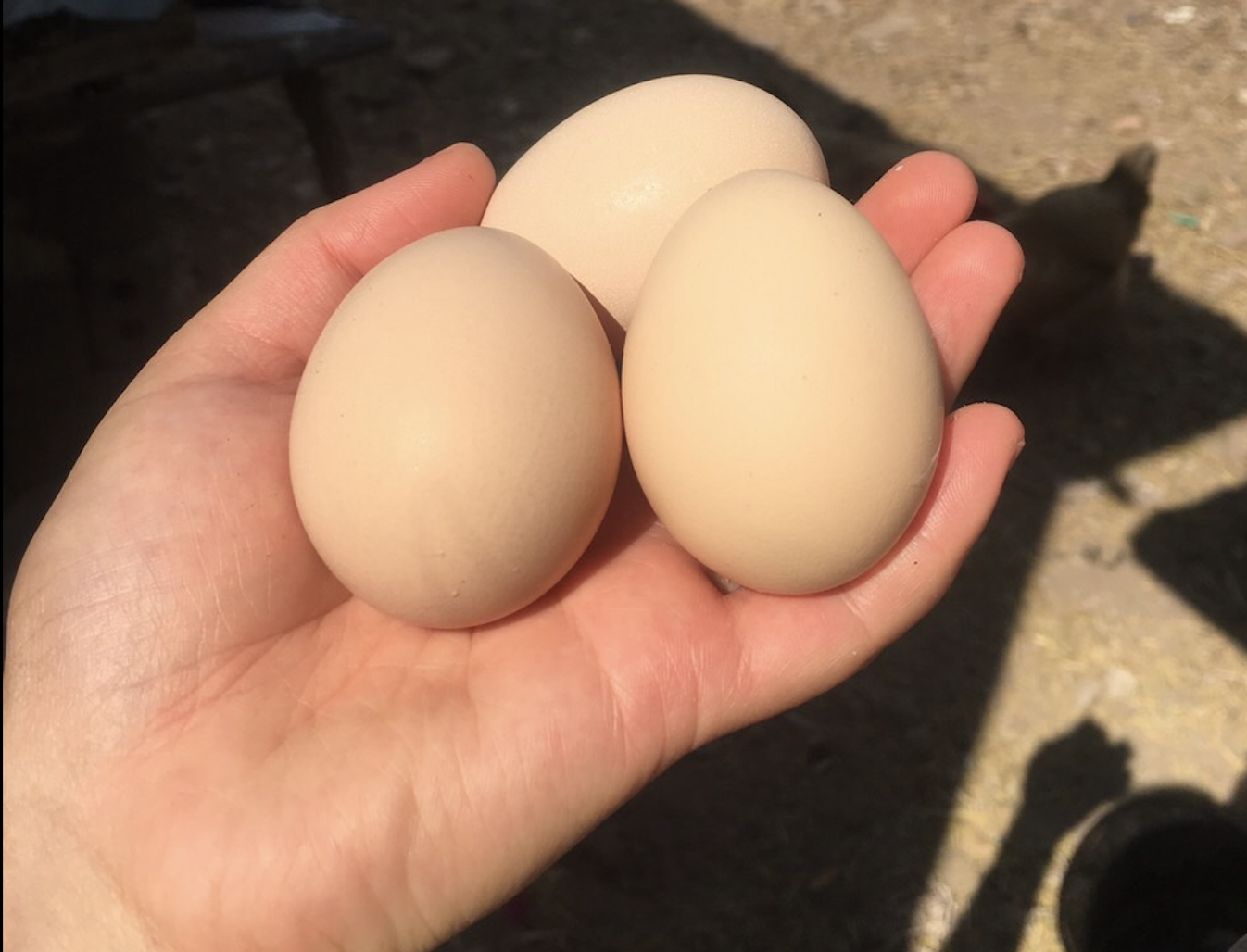 |
Eggs are rich in protein, vitamins, and minerals. Illustration: *Bao Bao* |
Prioritize omega-3 supplemented eggs
Some eggs are labeled as rich in or supplemented with omega-3. According to Verywell Health, these products often come from chickens whose diets include omega-3 sources like flaxseed or fish oil, which can result in higher omega-3 content in their eggs compared to regular eggs.
Omega-3s are a group of unsaturated fats vital for many bodily functions, particularly heart health. If you want to increase your omega-3 intake from food, choose eggs supplemented with this nutrient. In addition to omega-3, some products also contain added vitamin D, so buyers can read the nutrition facts panel to select according to their needs.
However, a "special" label does not automatically mean superior nutritional value. Nutrient content can vary among products, so read the nutritional information on the packaging instead of relying solely on the name.
Do not over-rely on "organic" or "free-range" labels
Terms like "organic", "free-range", or "pasture-raised" describe different chicken rearing methods. Eggs from pasture-raised chickens may contain more omega-3s and vitamins A and E than conventional eggs, due to the chickens' diet, according to Health. Therefore, if nutrition is a concern, buyers should look beyond the label and check specific product information, especially the content of added nutrients.
Small blood spots do not necessarily mean a spoiled egg
A small blood spot in the yolk might lead many to believe an egg is spoiled, but this is not necessarily a sign of a safety issue.
According to the USDA, small blood spots can appear naturally during egg formation. These spots are rare and do not necessarily affect the safety or quality of the egg. Therefore, there is no need to automatically discard an egg solely because of a small blood spot. However, if an egg has an unpleasant odor or if the egg white or yolk shows abnormal signs after cracking, it should be discarded rather than used.
*Bao Bao* (Compiled)