Answer:
Corrective glasses adjust refraction, focusing light precisely on the retina so nearsighted individuals can see clearly. While this is a temporary vision aid and does not cure nearsightedness, it helps eyes function normally and reduces strain and fatigue.
Individuals with mild nearsightedness (ranging from 0,25 to 3 diopters) primarily experience blurred distance vision, while near vision remains clear. Even if it does not significantly impact daily life, wearing glasses is advisable. Not wearing them can force your eyes to over-accommodate, leading to fatigue or headaches during prolonged study or work. If left unmonitored and without early intervention, mild nearsightedness tends to progress, affecting long-term visual quality and daily activities.
To alleviate mild nearsightedness symptoms and limit its progression, individuals should adjust their daily habits. Avoid continuous near vision tasks for extended periods, especially when studying or using electronic devices, as this increases eye accommodation and the risk of eye strain and increased prescription, particularly in children and adolescents.
Increasing outdoor activity benefits vision. Activities in open spaces expose eyes to natural light, which helps slow the progression of nearsightedness. Balancing indoor study time with outdoor play not only supports eye health but also offers benefits for physical and mental well-being.
Regular eye examinations help detect refractive errors early and monitor vision changes. Many people find it difficult to notice minor changes without timely checks, leading to late detection and more challenging treatment. Maintain a well-lit study and work environment, rest your eyes after periods of concentration, wear protective eyewear outdoors, and adopt a healthy, vitamin-rich diet beneficial for vision.
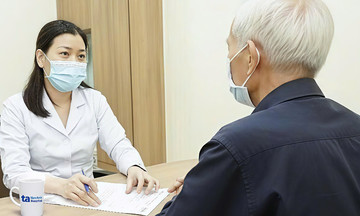
If you notice reduced vision, frequent squinting, headaches, or eye strain when looking at distant objects, consult an ophthalmology specialist for advice and appropriate corrective lenses.
Master of Science, Doctor Phung Van Thanh
High-Tech Eye Center
Tam Anh General Hospital
| Readers can send questions about ophthalmic diseases here for doctors to answer |