The lungs are vital for delivering oxygen to the body, removing carbon dioxide, maintaining energy for daily activities, and supporting the immune system. According to Doctor Tran Duy Hung, from the Department of Respiratory Medicine at Tam Anh General Hospital Hanoi, adopting positive morning habits, in addition to avoiding tobacco and pollutants, can significantly enhance ventilation and strengthen lung function.
**Start the day with warm water**
A glass of warm water each morning helps replenish fluids lost overnight and thins respiratory secretions. When mucus is less viscous, airways become clearer, making it easier to expel these secretions.
Warm water also soothes the nasal and throat lining, improves blood circulation, and supports metabolism. For individuals with chronic respiratory conditions, adequate hydration helps prevent thick phlegm, reduces airway discomfort, and promotes efficient respiratory function.
**Incorporate exercise and breathing techniques**
Gentle physical activities such as walking, jogging, yoga, or morning stretches strengthen the diaphragm and intercostal muscles, improving lung ventilation. As the body moves, oxygen demand rises, stimulating more efficient lung activity and boosting blood circulation.
Additionally, dedicating 5 to 10 minutes to deep breathing exercises can enhance lung capacity, increase oxygen absorption, and aid in carbon dioxide expulsion. Techniques like abdominal breathing or pursed-lip breathing effectively regulate breathing, which is beneficial for individuals with asthma or chronic obstructive pulmonary disease (COPD).
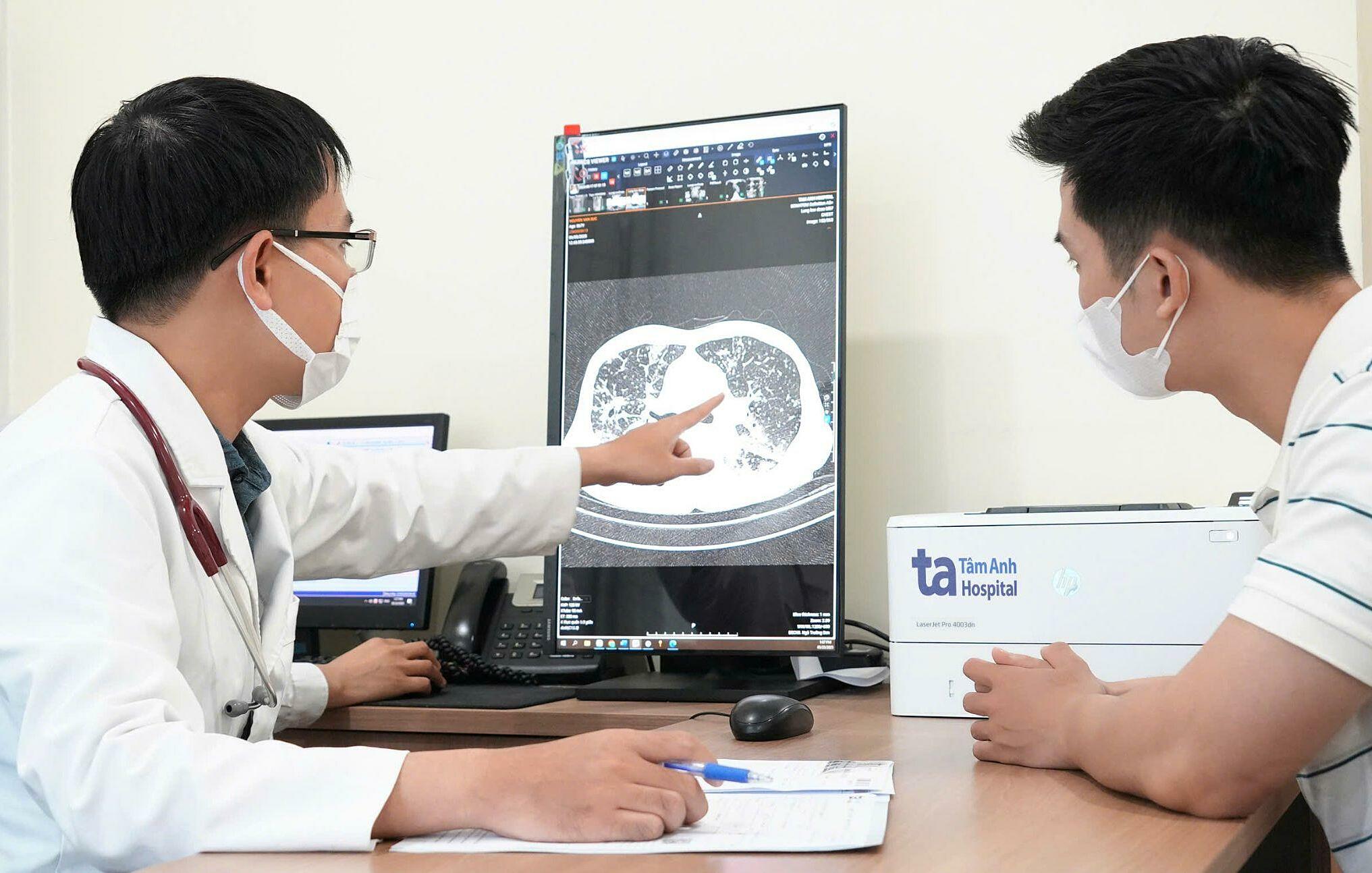 |
Patients receive lung condition consultations via CT scans. *Photo: Tam Anh General Hospital* |
**Eat a nutritious breakfast**
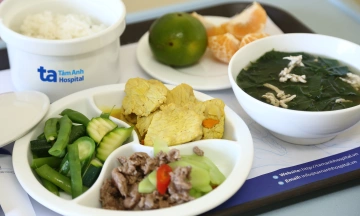
A complete breakfast provides essential energy and helps protect respiratory health. Foods rich in antioxidants reduce inflammatory responses and limit cellular damage caused by free radicals.
Prioritize vitamin C-rich fruits such as oranges, tangerines, guavas, and kiwis; dark green vegetables like kale, spinach, and broccoli; and omega-3-rich foods such as salmon, tuna, flaxseeds, chia seeds, or olive oil. These nutrients boost immunity and help maintain healthy lung function.
**Embrace morning sunlight**
Exposure to morning sunlight is a natural way for the body to synthesize vitamin D, a nutrient crucial for immune and respiratory health. Vitamin D deficiency is linked to an increased risk of respiratory conditions such as bronchial asthma, chronic obstructive pulmonary disease (COPD), rhinosinusitis, and respiratory infections.
Spend about 15 to 20 minutes in the morning sun, ideally combined with walking or light exercise for enhanced benefits. Vitamin D is also found in foods like milk, yogurt, cheese, and eggs. For significant vitamin D deficiencies, supplementation may be necessary under a doctor's guidance.
Doctor Hung emphasizes that maintaining these healthy morning habits, alongside avoiding smoking, limiting exposure to smoke and dust, and undergoing regular health check-ups, protects respiratory function and reduces the risk of lung disease.
Thu Giang
| Readers can submit questions about respiratory diseases here for doctors to answer. |