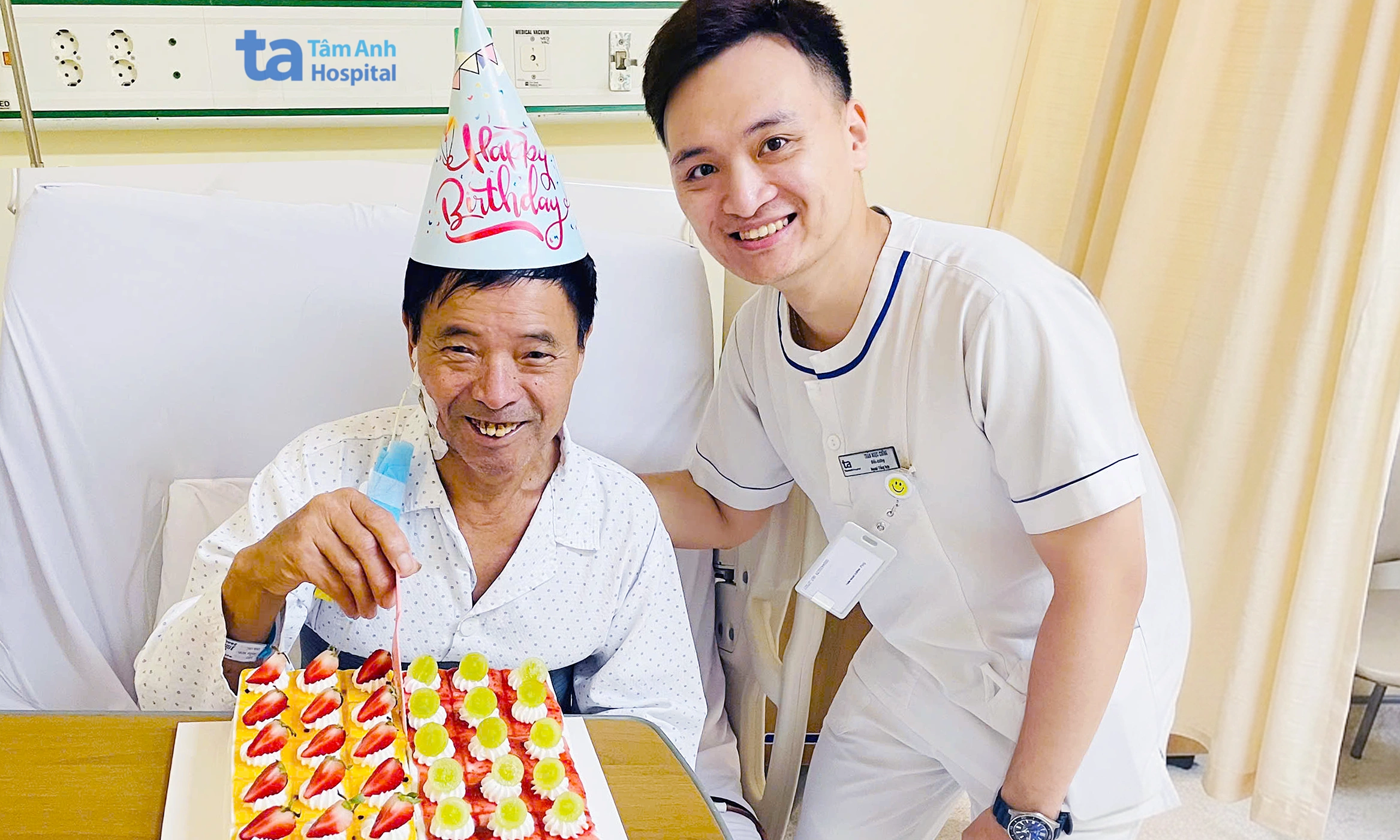
Huynh's sternum and costal cartilages were bent, deeply sunken inwards since birth. For the past two years, he had experienced frequent fatigue, inability to lie on his side, and labored breathing during strenuous activity.
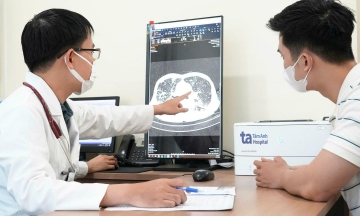
According to Associate Professor Doctor Vu Huu Vinh, Director of the Thoracic - Vascular Surgery Center at Tam Anh General Hospital, Ho Chi Minh City, the patient's chest had a moderate pectus excavatum, compressing the heart and lungs. This reduced lung capacity, impaired respiration, weakened his physical condition, and limited his mobility. The deformity also made his chest smaller and asymmetrical, causing Huynh to feel self-conscious.
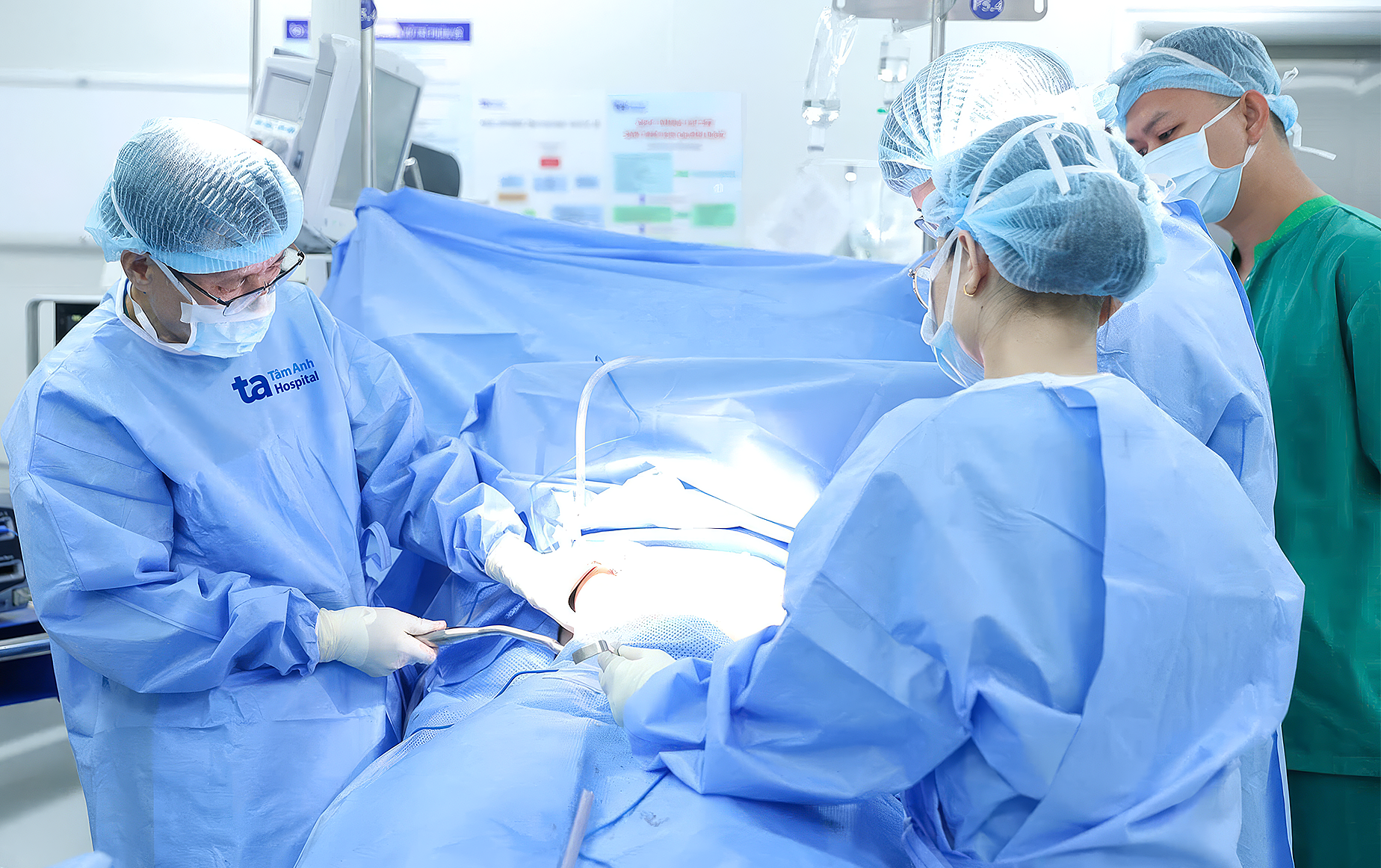 |
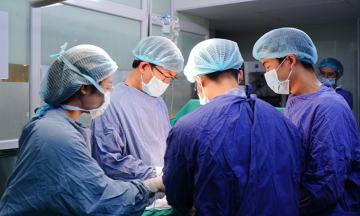
Associate Professor Vinh (left) and the surgical team perform chest wall reconstruction for the patient. Photo: Tam Anh General Hospital |
Associate Professor Vinh (left) and the surgical team perform chest wall reconstruction for the patient. Photo: Tam Anh General Hospital
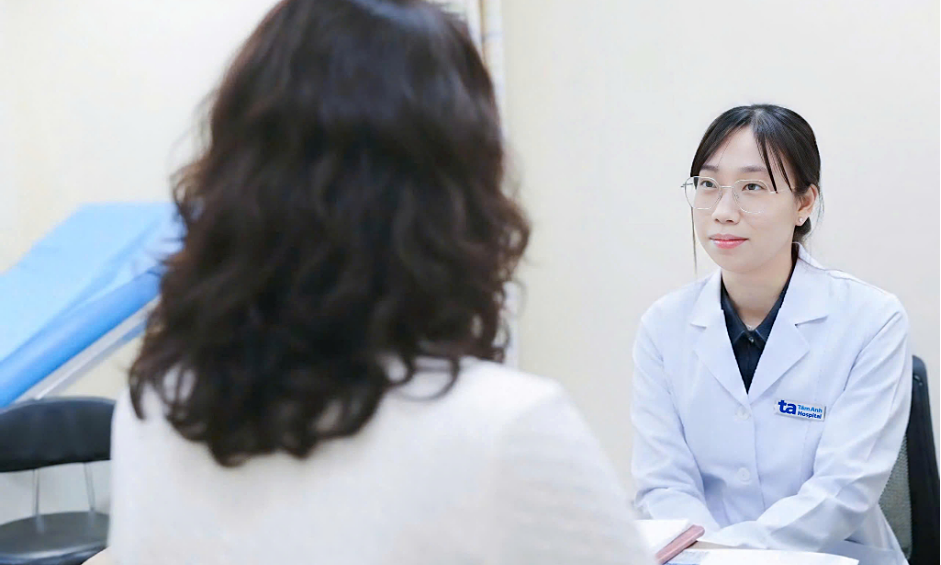
Following a consultation, the surgical team performed chest wall reconstruction using a specialized pectus bar. Unlike older techniques that typically used sutures to fix the bar to the patient's sternum, the team employed a biocompatible metal bar system with locking screws, offering high elasticity to support the chest wall.
Through small incisions (about 5 cm) on both sides of the armpits, the team dissected connective tissue beneath the sternum and any adhesions, creating a safe space between the chest wall, heart, and lungs. Doctors then inserted the specialized metal bar beneath the ribs, forming a stable framework that lifts the entire chest structure, allowing the sternum to continue its natural development with age.
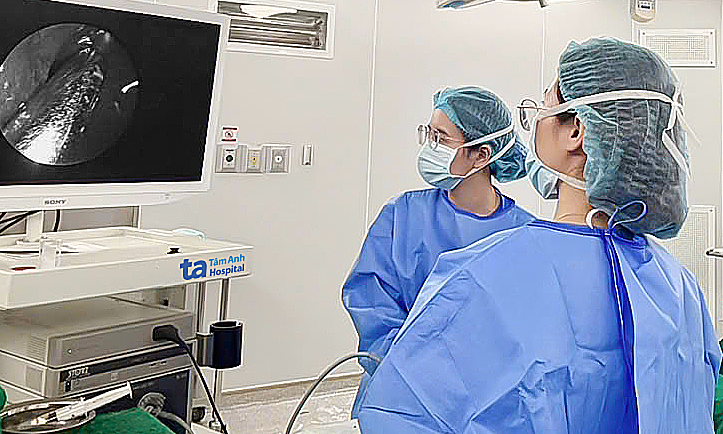
Finally, the team used an endoscopic system to check the intrathoracic pressure and expansion capacity, ensuring the respiratory system would function effectively after the operation.
Post-surgery, Huynh recovered well, experienced minimal incision pain, and no longer had the sharp chest pains as before. He was discharged after three days. Associate Professor Vinh stated that after approximately three years, once the metal bar is removed, the patient's chest will be symmetrical and normal.
According to Associate Professor Vinh, early intervention for pectus excavatum should ideally occur between the ages of 8 and 15, before adulthood. If the condition persists past 20 years old, the bone structure becomes rigid, making correction more difficult and reducing the effectiveness of recovery.
Bao Anh
*Patient's name has been changed
| Readers can submit questions about respiratory diseases here for doctors to answer. |