Gestational diabetes is a condition where blood sugar levels are elevated during pregnancy. This condition typically develops between the 24th and 28th week of pregnancy.
During pregnancy, the placenta, the organ that nourishes and provides oxygen to the baby, secretes hormones essential for fetal development. Some of these hormones can make it difficult for the mother's body to produce insulin. If the pancreas cannot produce enough insulin, blood sugar levels rise, leading to gestational diabetes.
Risk factors for gestational diabetes include being overweight or obese before pregnancy, or experiencing rapid weight gain during pregnancy. A family history of type 2 diabetes, a previous history of gestational diabetes, or having polycystic ovary syndrome also increase the likelihood of developing the condition.
Uncontrolled blood sugar poses risks for both mother and baby. Pregnant women may face preeclampsia, polyhydramnios, difficult labor, an increased rate of cesarean sections, and a higher risk of developing type 2 diabetes later in life. The fetus may face risks such as miscarriage, macrosomia, premature birth, respiratory distress, or hypoglycemia after birth, and the child may be obese later in life.
To achieve appropriate weight gain, ensure healthy fetal development, and limit pregnancy complications, adjusting your diet and lifestyle is crucial.
One key strategy is to divide your meals. Instead of eating three large meals, split your food intake into 5-6 smaller meals per day. This approach prevents the body from being overloaded with sugar after eating, helps maintain stable blood sugar levels, reduces the risk of hypoglycemia when hungry, and provides continuous energy for the fetus.
Choosing low glycemic index (GI) foods is also important. Foods with a low GI promote slower digestion and a gradual release of sugar into the bloodstream. Complex carbohydrates such as brown rice, oats, sweet potatoes, whole-wheat bread, and legumes are better alternatives to white rice or white bread.
Implement a balanced plate model for main meals to ensure adequate nutrition without significantly raising blood sugar. Follow the "standard plate" rule: one-half of the plate should consist of non-starchy vegetables, such as: broccoli, leafy greens, lettuce, cucumbers, zucchini, and carrots. These vegetables are rich in fiber, which slows sugar absorption. One-fourth of the plate should be lean protein, including: chicken breast, tenderloin, fish, eggs, and tofu, to help the mother feel full longer and support fetal muscle and bone development. The remaining one-fourth of the plate should be complex carbohydrates, such as: brown rice, sweet potatoes, or whole grains.
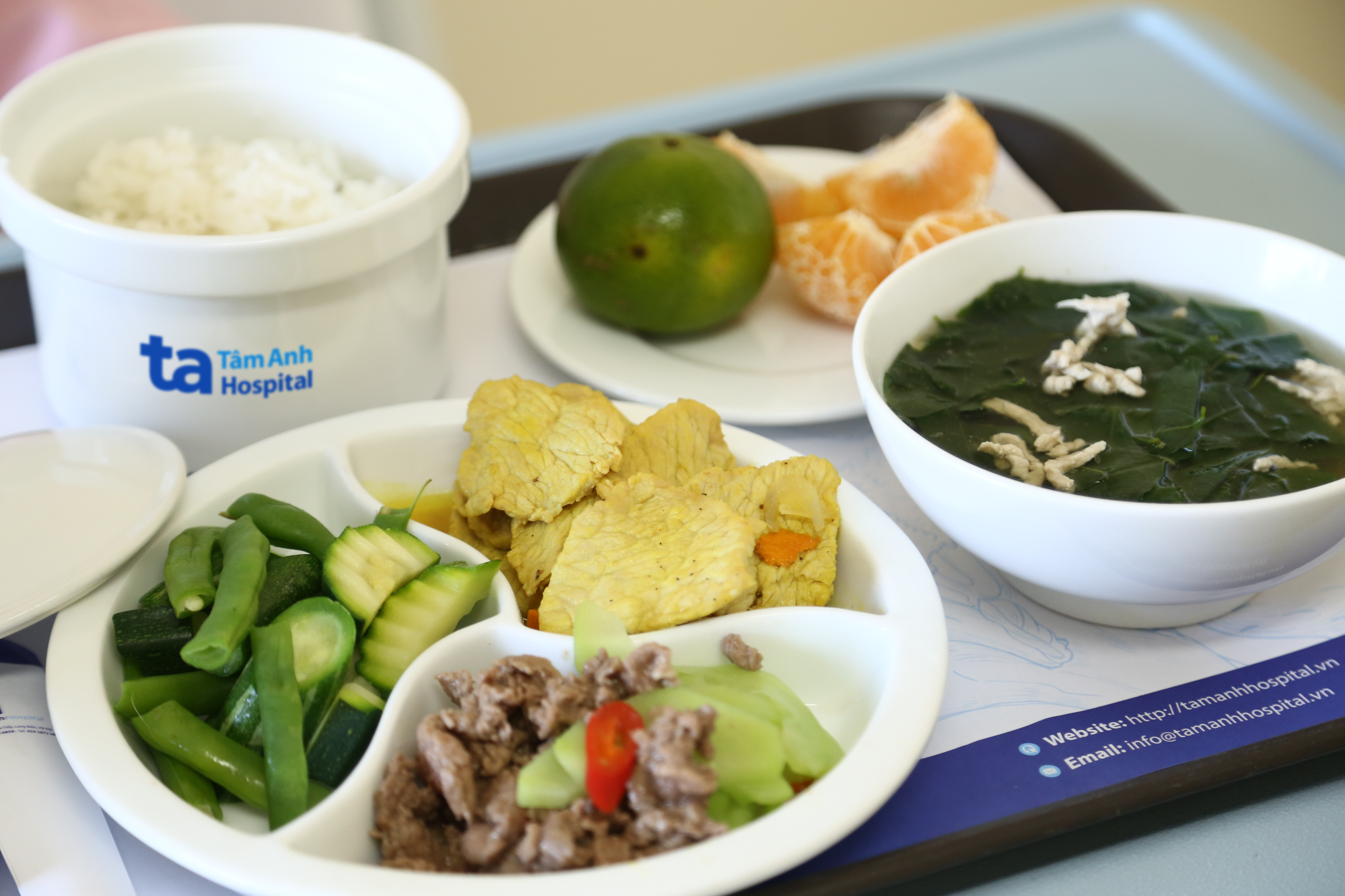 |
Pregnant women should eat plenty of green vegetables and lean protein to control blood sugar levels. *Illustration: Tam Anh General Hospital* |
Supplement your diet with low-sugar fruits, such as: grapefruit, guava, oranges, tangerines, avocados, strawberries, or green apples, to provide vitamins and minerals without causing blood sugar spikes. Limit sweets, sugary drinks, and dried fruits.
Beyond diet, monitor your blood sugar at home as directed by your doctor. Engage in light exercise daily, and attend regular check-ups or seek immediate medical attention if any unusual signs appear, to ensure appropriate treatment and limit complications.
Master, Doctor Nguyen Phuong Thao
Fetal Medicine Unit
Tam Anh General Clinic District 7
| Readers can submit questions about obstetrics and gynecology here for doctors to answer. |