High levels of bad cholesterol (LDL-C) accumulate in blood vessel walls, causing inflammation and forming atherosclerotic plaques.
According to doctor Roberto Yano, a cardiologist with 3,84 million YouTube followers in Brazil, if blood test results show alarming bad cholesterol levels, lowering them requires a scientific strategy, not just willpower.
The liver "factory" and bile production materials
Doctor Yano explains the liver functions like a factory, primarily producing bile acids. These are considered natural "grease removers", essential for digesting and absorbing fats from food. Crucially, the main raw material the liver uses to produce this "detergent" is cholesterol.
Many mistakenly believe that simply eating less fat and meat can reduce cholesterol. However, doctor Yano highlights that the liver synthesizes 80% of the body's cholesterol; only a small portion comes from diet. Therefore, merely cutting fat does not equate to lowering LDL (bad cholesterol). The real key lies in understanding cholesterol metabolism and recirculation.
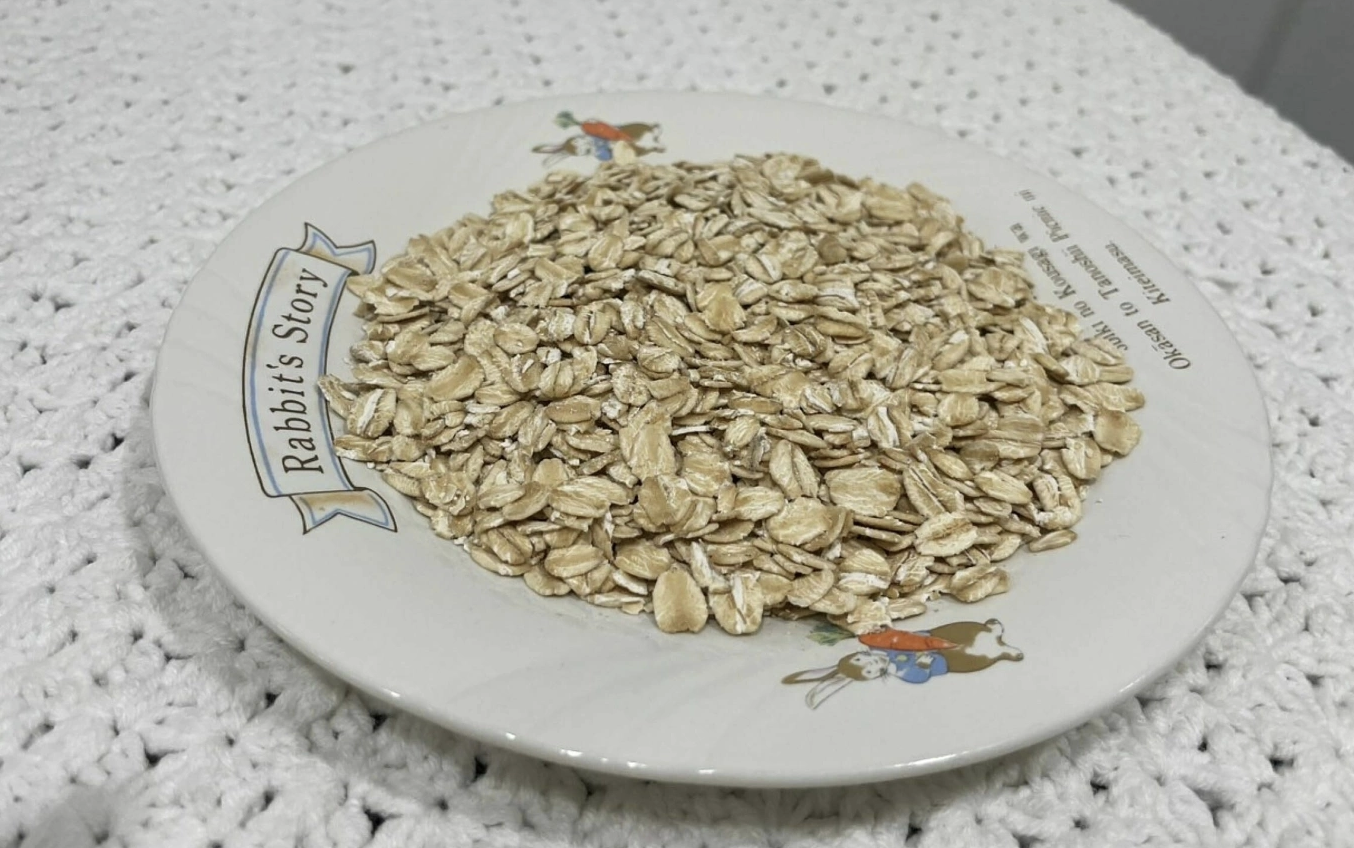 |
Daily oat consumption and strict control of refined carbohydrates can help lower cholesterol without medication. *Hanh Vu*
Breaking the reabsorption cycle to lower LDL
Normally, bile from the liver is secreted into the intestines to digest food. After completing its task, the body attempts to reabsorb this cholesterol for reuse. The problem is, if this cycle repeats smoothly, old cholesterol continues to circulate in the blood.
"To reduce LDL, we must break this recirculation cycle", doctor Yano emphasized.
The daily oat bowl strategy
This expert specifically recommends oats as a primary food in this strategy. The fiber in oats, upon entering the intestines, forms a gel-like compound. This gel "traps" bile acids, preventing their reabsorption into the bloodstream and ultimately eliminating them through excretion.
When bile is eliminated, the liver must produce new bile to compensate. To acquire production materials, the liver increases its search for excess cholesterol in the blood by raising LDL receptors. As a result, blood LDL levels significantly decrease.
Doctor Yano shares a specific implementation roadmap:
Step one: Maintain the habit of eating three tablespoons of oat bran daily.
Step two: Strictly control refined carbohydrates.
He warns that reducing fat while increasing refined carbohydrate consumption (sugar, white flour) stimulates insulin, prompting the liver to produce more VLDL (a type of protein that transports triglycerides). These particles then transform into smaller, more invasive molecules, increasing the risk of arterial plaque formation.
The role of phytosterols in vegetable oils
Finally, doctor Yano mentions phytosterols (plant sterols) found in vegetable oils. Because their structure resembles cholesterol, the intestines often "mistake" them and prioritize absorbing phytosterols first.
This mechanism helps block cholesterol absorption and expels it from the body, which can reduce LDL levels in just a few weeks.
My Y (According to LTN)