Excessive long-term salt consumption is a leading cause of kidney strain and impaired function. To address this, alongside reducing seasoning, proactively adding healthy food groups plays a vital role in nourishing the excretory system. Hung Tai-hsiung, a nutrition expert at National Taiwan University, explained that kidneys are silent organs that perform detoxification, regulate blood pressure, and balance electrolytes. Therefore, he compiled a list of 10 kidney-nourishing foods: cucumber, onion, garlic, olive oil, apple, bean sprouts, black fungus, kale, blueberry, and fish oil, asserting that a scientific diet incorporating these foods can extend kidney lifespan by many years.
Among common vegetables and spices, cucumber, with its rich water content, provides excellent hydration, aiding kidney waste metabolism and efficient sodium ion excretion. Additionally, onion acts as a natural antioxidant and anti-inflammatory agent, making it safe even for patients with chronic glomerulonephritis. When minced and eaten raw, garlic releases allicin, a potent compound that provides antibacterial, anti-inflammatory, and kidney-protective benefits.
Regarding fruits, apple is known as the "king" among low-potassium fruits, possessing significant potential in antioxidant activity, cholesterol reduction, and cancer prevention. Blueberry, on the other hand, impresses with antioxidant capabilities 10 times higher than green tea, effectively combating oxidative stress and inflammatory responses.
 |
Illustration: Freepick |
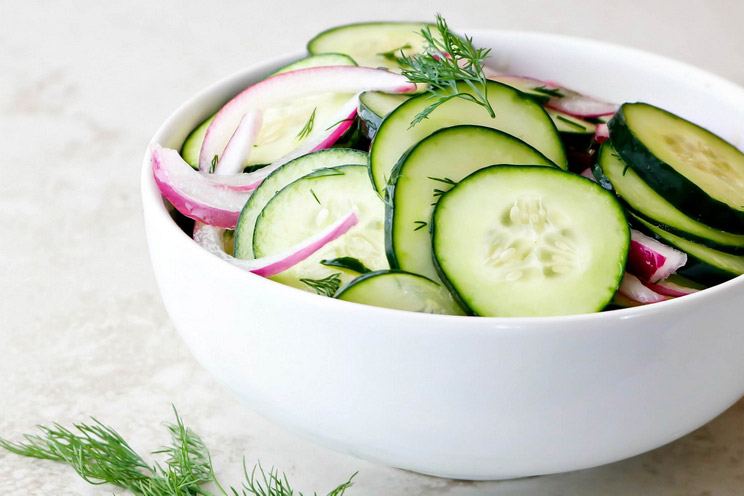 |
Illustration: Paleohacks |
For healthy fats and proteins, olive oil is an ideal choice for vascular protection and retaining full nutritional value, especially when prepared at low temperatures or used in salads. Complementing this are bean sprouts, rich in plant protein, a protein source considered more kidney-friendly and less burdensome than animal protein.
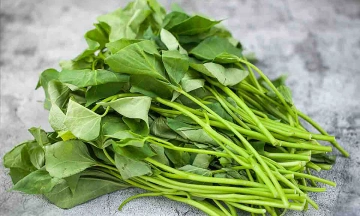
This supplementary food list also includes black fungus, an excellent choice due to its low phosphorus and potassium content but rich iron, which safely helps patients supplement blood and fiber. Kale, while rich in beneficial antioxidants, has a high potassium content.
Therefore, kidney patients must consult a doctor or nutritionist for advice on appropriate dosages based on their condition. Finally, supplementing with fish oil can promote blood circulation, reduce blood lipids, and provide anti-inflammatory effects, offering an optimal "three-in-one" support solution for kidney health.
Expert Hung noted that not everyone is suited for consuming high-potassium foods. If kidney function is already impaired, patients should consult a doctor or nutritionist to control their potassium and phosphorus intake. Daily basic kidney protection methods also include: drinking plenty of water, controlling protein consumption, avoiding processed foods high in sodium, and undergoing regular blood tests and urine protein checks.
Concurring with this view, Hung Yung-hsiang, a nephrologist with over 20 years of experience, previously indicated that eating the right foods can protect the kidneys. an Australia study exploring the link between eating habits and kidney disease found that individuals who consistently maintained a healthy diet could reduce their risk of chronic kidney disease by 30% and the risk of proteinuria by 23%.
Furthermore, the nephrologist emphasized that restricting protein, phosphorus, and potassium in the diet does not mean absolute abstinence, but rather not consuming beyond the body's elimination capacity. He suggested that patients adjust their diet based on blood test results and undergo follow-up examinations every 3 months to check blood phosphorus and potassium levels.
Binh Minh (According to China Times)