Gavi, the Vaccine Alliance, announced on 29/5 a significant investment from its First Response Fund (FRF) to bolster the global response to the ongoing Ebola outbreak caused by the Bundibugyo virus. The funding package, totaling up to 50 million USD, is strategically divided: 40 million USD will accelerate access to a potential vaccine, and 10 million USD will directly support critical outbreak response activities.
The 40 million USD earmarked for vaccine access will act as emergency funding. This aims to empower manufacturers of Bundibugyo vaccine candidates, enabling them to commit to expanding their production capacity. Should clinical trials yield positive results, these experimental vaccine doses could be rapidly deployed, playing a crucial role in controlling the outbreak.
Gavi plans to finalize the financial mechanism for this 40 million USD in coordination with key partners: CEPI, the World Health Organization (WHO), Africa Centres for Disease Control and Prevention (Africa CDC), and UNICEF. This mechanism might include advance purchase commitments, tailored to the specific characteristics of each vaccine candidate and the needs of its manufacturer. Gavi also stated it will coordinate to ensure successful vaccine candidates from African manufacturers receive swift support through the African Vaccine Manufacturing Accelerator (AVMA) initiative.
In the long term, Gavi intends to establish mechanisms that incentivize manufacturers to pursue the fastest possible pathways for vaccine inclusion in the WHO Emergency Use Listing (EUL) or WHO Prequalification (PQ). These approvals are crucial, allowing vaccines to be used more rapidly in emergency health situations.
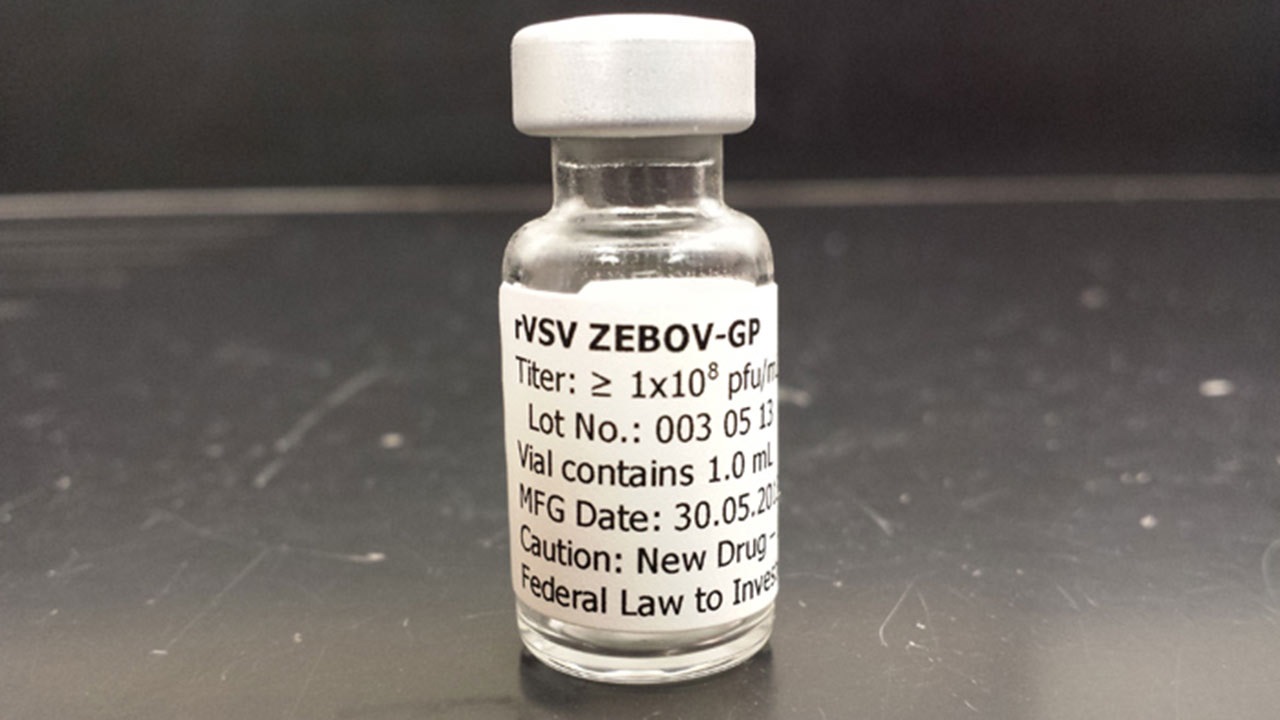 |
An Ebola vaccine is being used urgently. Photo: USAmriid. |
An Ebola vaccine is being used urgently. Photo: USAmriid.
Beyond vaccine investment, Gavi immediately disbursed 10 million USD to support affected countries and partners in their immediate outbreak response efforts. This funding is critical for implementing national response plans, safeguarding routine immunization programs, protecting frontline healthcare workers, and preparing for the deployment of future vaccines.
Gavi is currently collaborating with CEPI, the World Health Organization (WHO), Africa Centres for Disease Control and Prevention (Africa CDC), UNICEF, the World Bank, the Pandemic Fund, and other partners to address this specific Ebola outbreak.
Gavi's commitment to fighting Ebola dates back to 2014, when it began supporting vaccination during the major West African outbreak from 2014-2016. The organization also funds the global Ebola vaccine stockpile, which currently holds 500,000 doses of Ervebo, a vaccine licensed for Ebola caused by the Zaire virus.
This vital stockpile has been utilized in four campaigns responding to Zaire Ebola outbreaks in the Democratic Republic of Congo (DRC). Most recently, in 9/2025, over 47,000 people received rapid vaccination, significantly contributing to a reduction in both cases and fatalities.
Further underscoring the impact of vaccination, a study published in BMJ Global Health in 2025 analyzed seven Zaire Ebola outbreaks between 2018-2022. It revealed that outbreak response vaccination reduced cases by an average of 77% and deaths by 76%. The risk of a large-scale outbreak also saw a substantial decrease, falling from 71% to 43%.
The current Ebola outbreak in Africa, primarily concentrated in the Democratic Republic of Congo (DRC) with related cases reported in Uganda, is caused by the Bundibugyo strain. As of 27/5, the World Health Organization (WHO) recorded 125 confirmed cases and 17 deaths. Additionally, there were 906 suspected cases and 223 suspected deaths across the Ituri, North Kivu, and South Kivu provinces of the DRC.
The World Health Organization (WHO) has declared this specific outbreak a public health emergency of international concern. Crucially, there is currently no licensed vaccine or specific treatment available for Bundibugyo Ebola, though vaccine and drug candidates are undergoing evaluation.
By Van Ha (Source: Gavi)