Many smokers only seek medical attention when they experience a persistent cough, shortness of breath, or chest pain. However, according to the Vietnamese Ministry of Health and the World Health Organization (WHO), tobacco-related respiratory damage often progresses silently for years before clear symptoms appear.
Regular respiratory examinations and screenings help detect dangerous conditions early, such as chronic obstructive pulmonary disease (COPD), asthma, pulmonary fibrosis, or lung cancer.
A respiratory specialist examining a smoker typically begins by reviewing their smoking history and symptoms like persistent cough, phlegm production, wheezing, shortness of breath, or chest tightness. This initial step is crucial for assessing the risk of lung damage and guiding necessary tests.
One of the most fundamental and important tests is spirometry, which measures lung function. This test assesses the lungs' ventilation capacity, allowing for early detection of airway obstruction even before noticeable symptoms emerge. It is considered a key standard in diagnosing chronic obstructive pulmonary disease, a condition very common among long-term smokers.
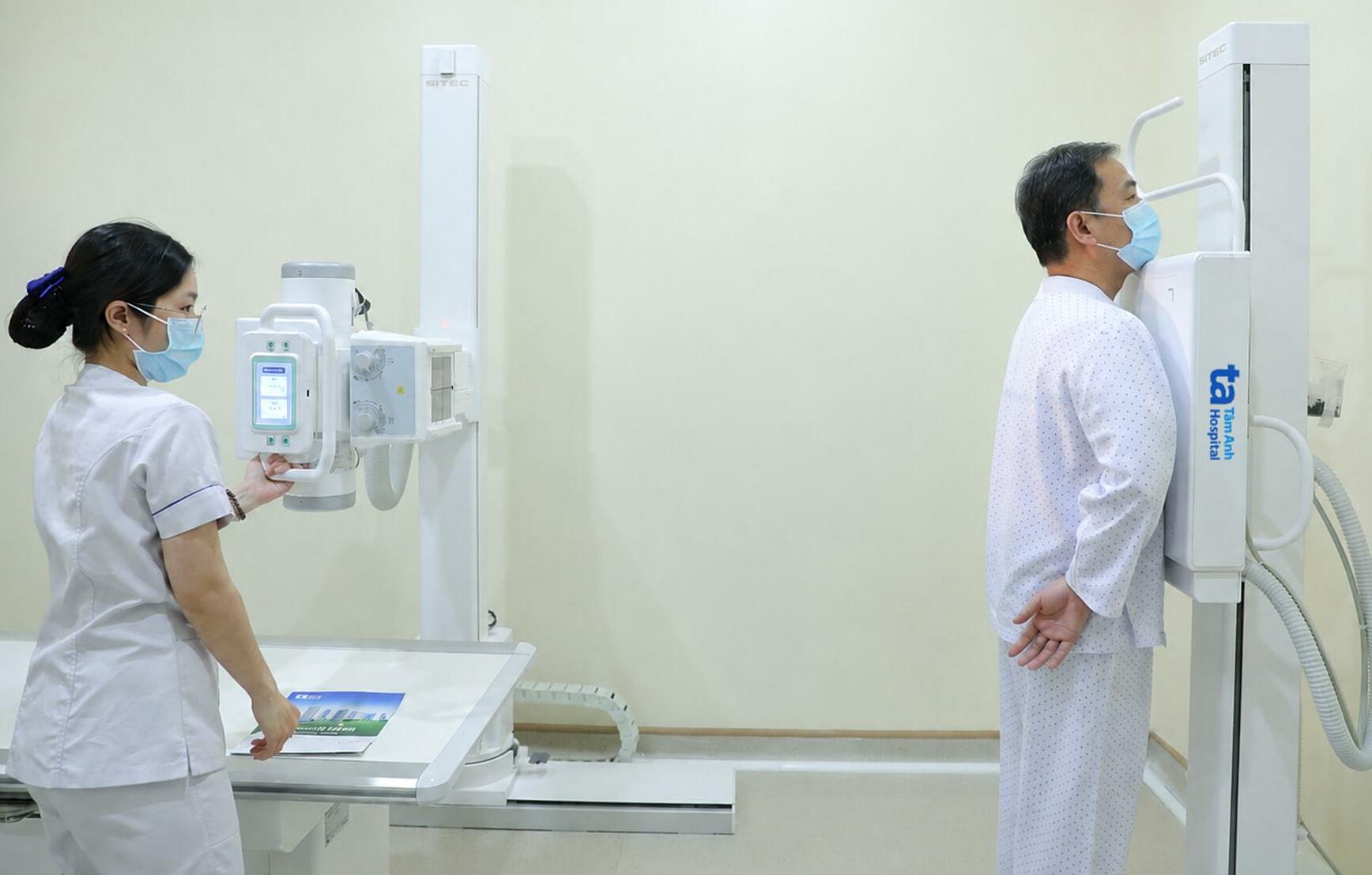 |
Chest X-rays are a common method to screen for lung conditions in smokers. *Illustration: Tam Anh General Clinic District 7*
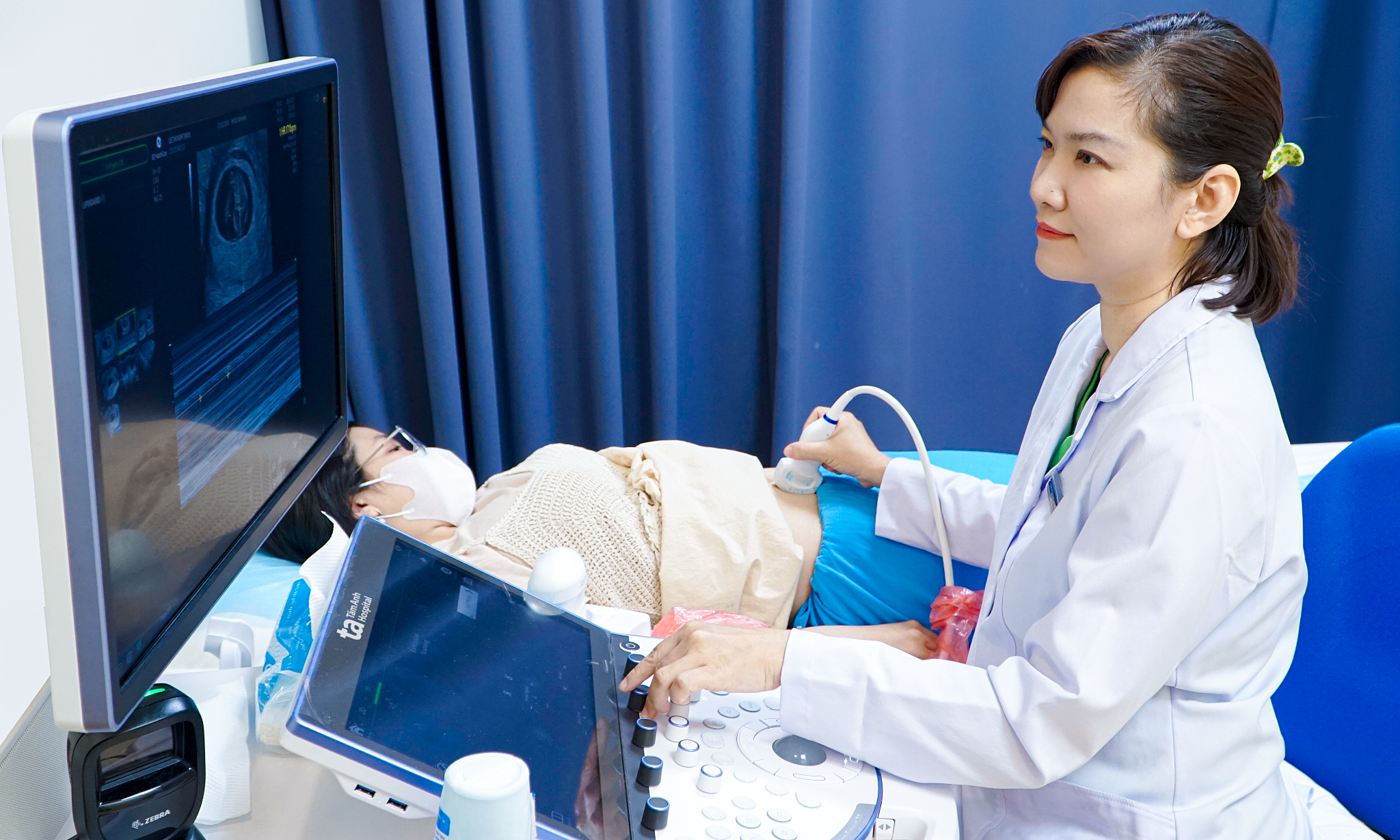
Doctors may also order a chest X-ray or a low-dose chest computed tomography (CT) scan to identify any abnormal lesions in the lungs and respiratory tract. For individuals who have smoked for many years or are in a high-risk group, a low-dose chest CT scan is particularly valuable for early lung cancer screening, detecting small lesions before the disease advances.
Patients might also undergo blood oxygen level checks, sputum tests, or blood tests, depending on their specific condition. In some cases with persistent symptoms or suspected complex damage, doctors may recommend a bronchoscopy for a more in-depth evaluation of the airway lining and to collect tissue samples if necessary.
Many smokers are complacent, believing their lungs are normal as long as they do not experience shortness of breath. In reality, damage from tobacco smoke can silently destroy lung tissue and respiratory function over a long period. By the time symptoms become obvious, the disease is sometimes in a late stage or irreversible.
Beyond disease detection, respiratory examinations also provide smokers with smoking cessation counseling and help establish a suitable follow-up plan. Quitting smoking at any point helps slow the progression of lung damage, reduces cancer risk, and improves quality of life.
Long-term smokers, especially those over 40 years old or exhibiting symptoms such as persistent cough, phlegm, shortness of breath, weight loss, or chest pain, should undergo regular check-ups at a respiratory specialty clinic every 6-12 months.
Dr. Pham Thi Thanh Thuy
Doctor of First Degree Specialization, Department of General Internal Medicine
Tam Anh General Clinic District 7
| Readers can submit respiratory health questions here for doctors to answer |