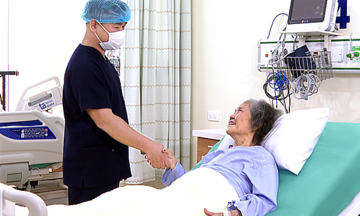
Doctor Liao Chih-ying, from the Photon Radiotherapy Department at China Medical University Hospital in Taiwan, shared on his personal page that chilling or freezing bread helps convert some starch into resistant starch. This compound benefits gut microbiota, with slow digestion and absorption, helping maintain stable blood sugar levels.
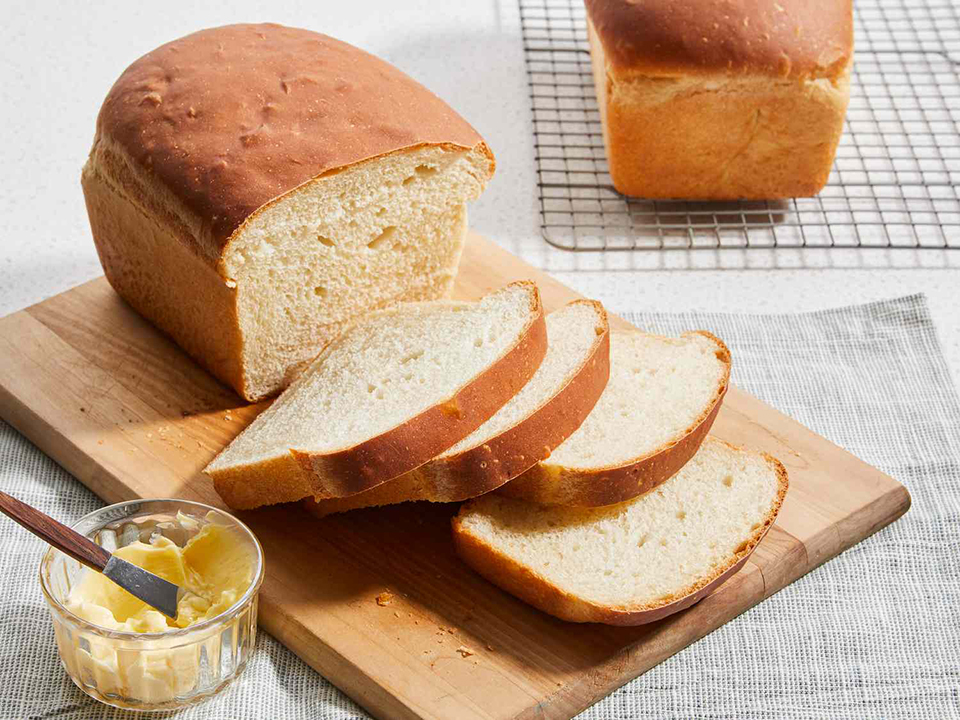 |
Illustration: Allrecipes.
He cited research published in the European Journal of Clinical Nutrition, indicating that freezing and reheating white bread significantly reduces post-meal blood sugar response. Another study in Nutrition & Metabolism also confirmed that the "chilling-reheating" cycle alters starch structure, contributing to reduced blood sugar fluctuations and decreased pancreatic insulin secretion pressure.
According to Doctor Liao, blood sugar control is crucial in cancer prevention strategies. Prolonged high blood sugar and insulin levels promote chronic inflammation, cause insulin resistance, and activate tumor growth signals. Clinical data shows that diets high in sugar increase the risk of malignant diseases such as colorectal, breast, and pancreatic cancer.
To optimize nutritional value and prevent disease, the expert offers three specific recommendations for consuming this common food. First, consumers should prioritize freezing and reheating bread before eating to increase resistant starch content. Second, meals should combine bread with protein and healthy fats, such as eggs, nuts, or olive oil, to slow sugar absorption into the bloodstream. Finally, the doctor advises minimizing sweet jams and replacing them with fresh fruit or low-sugar products.
The nutritionist recommends consumers follow a three-step process: preparation, deep freezing, and direct heating, as follows:
During the preparation stage, consumers should not store an entire loaf but instead cut the bread into slices about 1-2 cm thick. These slices should then be divided into individual portions, wrapped tightly with plastic wrap or parchment paper, and placed in an airtight container. This process removes excess air, preventing the bread from drying out or absorbing other food odors in the refrigerator.
The most important stage is freezing. Bread packages need to be stored in the freezer for a minimum of 12 hours. This duration allows starch molecules to rearrange their structure, converting into resistant starch beneficial for gut health and insulin control.
When ready to eat, consumers can skip the thawing step and proceed directly to heating to preserve the newly formed starch structure. Dry heat methods such as a toaster, air fryer, or pan-frying are preferred. Toast bread at about 160-180 degrees Celsius for 3-5 minutes until the crust is lightly crispy. The expert advises avoiding microwave use, as it can make the bread chewy, and absolutely warns against burning it black to prevent the formation of acrylamide toxins.
 |
Doctor Liao Chih-ying. Photo: Dr. Liao Chih-ying. Radiotherapy/Cancer Adjuvant Medicine Fanpage.
The expert emphasizes that reducing sugar does not mean eliminating carbohydrates entirely, but rather adopting a "smart eating" approach. Small adjustments in daily habits can improve the body's metabolic environment, creating a natural barrier to prevent cancer cell development.
Binh Minh (Source: SETN)