Sugarcane juice is a source of rapidly absorbed sugar. A 240 ml glass provides 90-120 kcal, equivalent to 20-25 g of sugar, which nearly reaches the daily recommended sugar intake. The sugar in sugarcane juice is in liquid form, lacking accompanying fiber, so the body absorbs it quickly into the bloodstream. This leads to a rapid increase in blood sugar and stimulates strong insulin secretion.
When you add a lot of ice, the sugarcane juice feels "diluted" and less sweet than before. This can lead you to drink more, resulting in a higher actual sugar intake than you perceive. Many people add kumquat to sugarcane juice, which only mellows the sweetness and reduces the cloying taste, but it does not reduce the actual sugar content in the glass.
Therefore, you should consume only a small glass, about 200 ml, per serving. Avoid drinking it daily, and do not use it as a substitute for water.
Individuals with or at risk of diabetes should limit their intake, as sugarcane juice rapidly increases blood sugar, making it difficult to control. Pregnant women need to be aware of the risk of gestational diabetes and the potential for infection from unhygienic processing.
People with sensitive digestive systems, especially those with irritable bowel syndrome, may experience bloating, abdominal distension, or diarrhea due to the high fructose content.
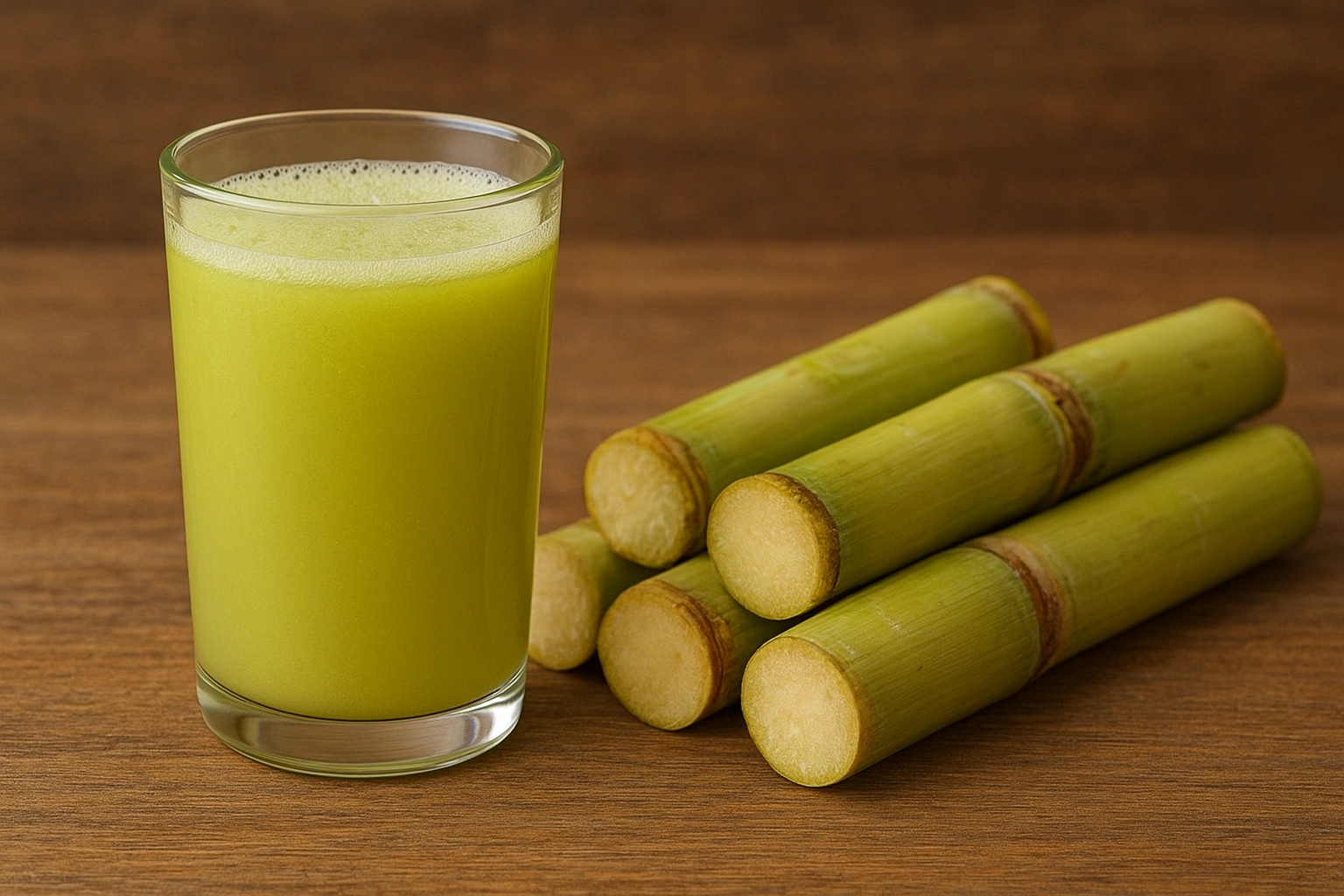 |
Illustrative photo: AI.
Doctor Le Thi Huong Giang
Head of Nutrition and Dietetics Department, 19-8 Hospital (Ministry of Public Security)