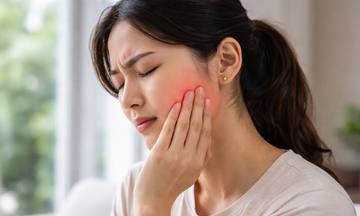
Acne forms when pores become clogged by dead skin cells, bacteria, or excess sebum. While factors like hormones and skincare routines play a role, diet significantly influences the activity of sebaceous glands and the skin's inflammatory response. A balanced diet provides essential nutrients for skin cell regeneration and repair. Conversely, consuming too many sugary foods, dairy, refined carbohydrates, or spicy items can stimulate increased sebum production, thus raising the risk of acne formation.
Eating too much white rice is not beneficial for skin health, especially for individuals already prone to acne. The starch in white rice is rapidly converted into glucose. High intake of white rice elevates blood sugar levels, prompting the body to produce more insulin for regulation. This prolonged state activates sebaceous glands, leading to excessive sebum production and creating favorable conditions for acne development.
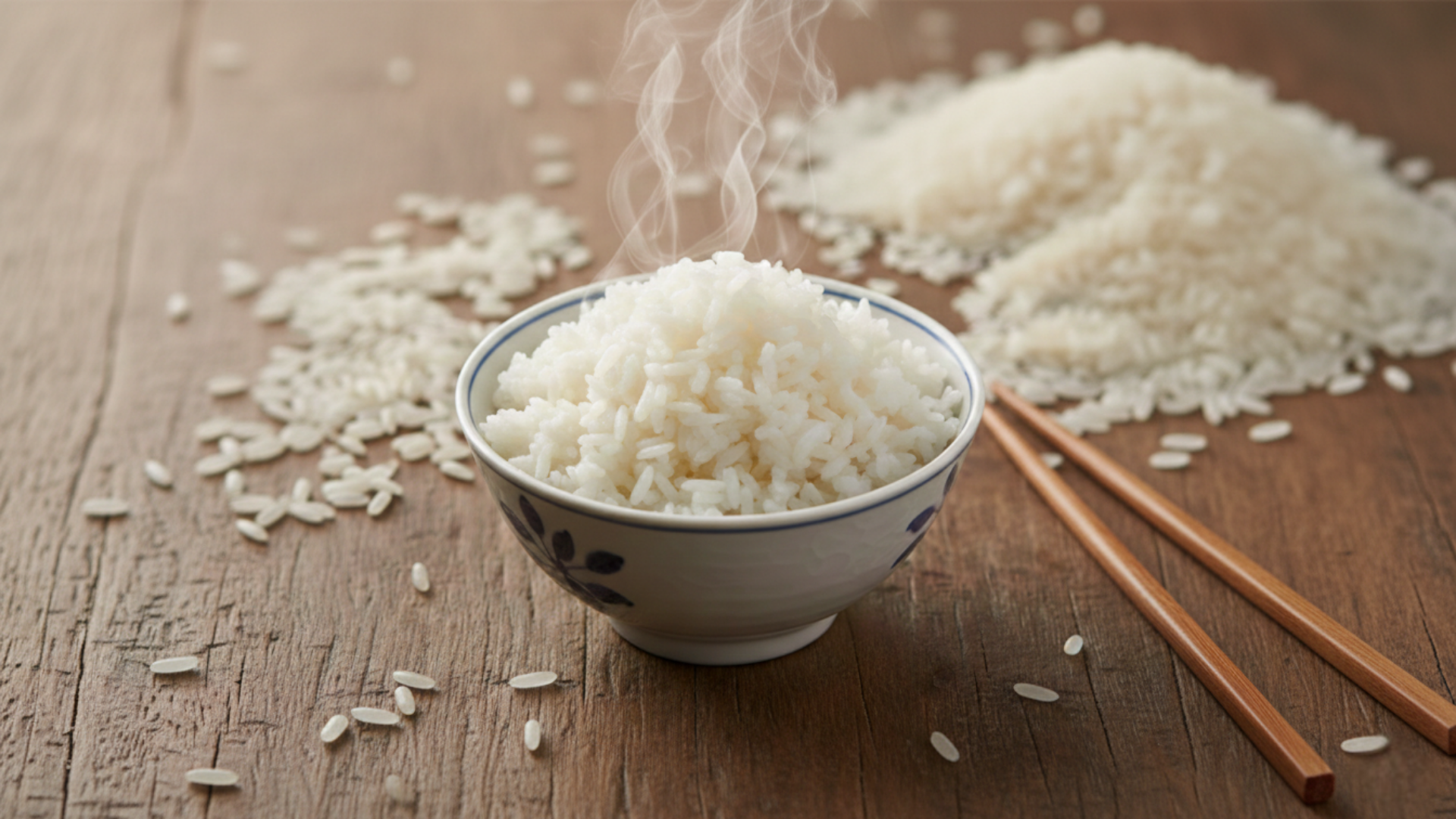 |
Eating too much rice can cause acne. Photo: Quoc An |
White rice, bread, pastries, and sugary sodas are examples of foods with a high glycemic index (GI). The GI measures how quickly a food causes blood sugar to rise after consumption. High GI foods lead to sudden spikes in blood sugar, which in turn increases insulin and IGF-1 hormones. This surge in IGF-1 promotes keratinocyte proliferation, causing clogged pores, boosting sebum secretion, and accelerating inflammatory responses in the skin.
For individuals with insulin resistance, accumulated sugar in the blood stimulates increased androgen production, which further escalates sebum secretion and causes acne. This condition is often seen in women with polycystic ovary syndrome (PCOS). A diet high in GI foods or one rich in carbohydrates but lacking in protein and fiber can trigger sudden increases in blood sugar and insulin, leading to hormonal imbalances that make the skin more sensitive and susceptible to acne outbreaks.
Dr. Duy Tung advises individuals who frequently experience acne to reduce their intake of white rice. He recommends prioritizing brown rice, whole grains, or combining rice with plenty of green vegetables to slow sugar absorption. Additionally, ensuring sufficient protein, fiber, and healthy fats helps stabilize blood sugar. He also suggests drinking enough water and limiting sweets, sugary sodas, and processed foods to support skin recovery.
Beyond dietary adjustments, a healthy lifestyle also contributes to acne control. Individuals should maintain proper skin hygiene, thoroughly removing makeup and washing their face before sleep to keep pores clear. Getting enough sleep, avoiding late nights, reducing stress, and maintaining regular exercise help stabilize hormones, thereby reducing the risk of acne outbreaks. Those experiencing persistent or recurrent acne should consult a dermatologist for appropriate advice and treatment.
ThS.BS Nguyen Anh Duy Tung
Specialist in Nutrition - Dietetics
Tam Anh General Clinic District 7
| Readers can submit nutrition questions here for the doctor to answer |