Sweet fruits such as ripe mango, jackfruit, longan, and durian contain a high amount of fructose. When the body consumes too much fructose over a prolonged period, the liver must increase its activity to process and convert this sugar into energy or stored fat. An overworked liver can lead to gradual fat accumulation in liver cells, potentially resulting in fatty liver and liver enzyme disorders, especially in individuals with risk factors such as overweight, high blood fat, or diabetes.
A single serving of sweet fruit, approximately 200-300 g, can provide 150-250 kcal, equivalent to 3-5 teaspoons of sugar. Consuming two to three servings daily, particularly in the evening or after meals rich in carbohydrates and fats, makes the liver more prone to storing excess fat than usual. Over time, this can lead to elevated liver enzymes, increased blood sugar, and a higher risk of non-alcoholic fatty liver disease.
You can still eat fruit, but you should control the quantity and timing. Each day, consume only about one serving of sweet fruit, preferably in the morning or early afternoon, to allow the body to metabolize energy easily. You can alternate with less sweet fruits such as apple, grapefruit, dragon fruit, cantaloupe, and guava. Individuals with existing liver issues should also avoid eating fruit immediately after dinner or combining it with condensed milk or sweetened yogurt, as this further increases sugar intake.
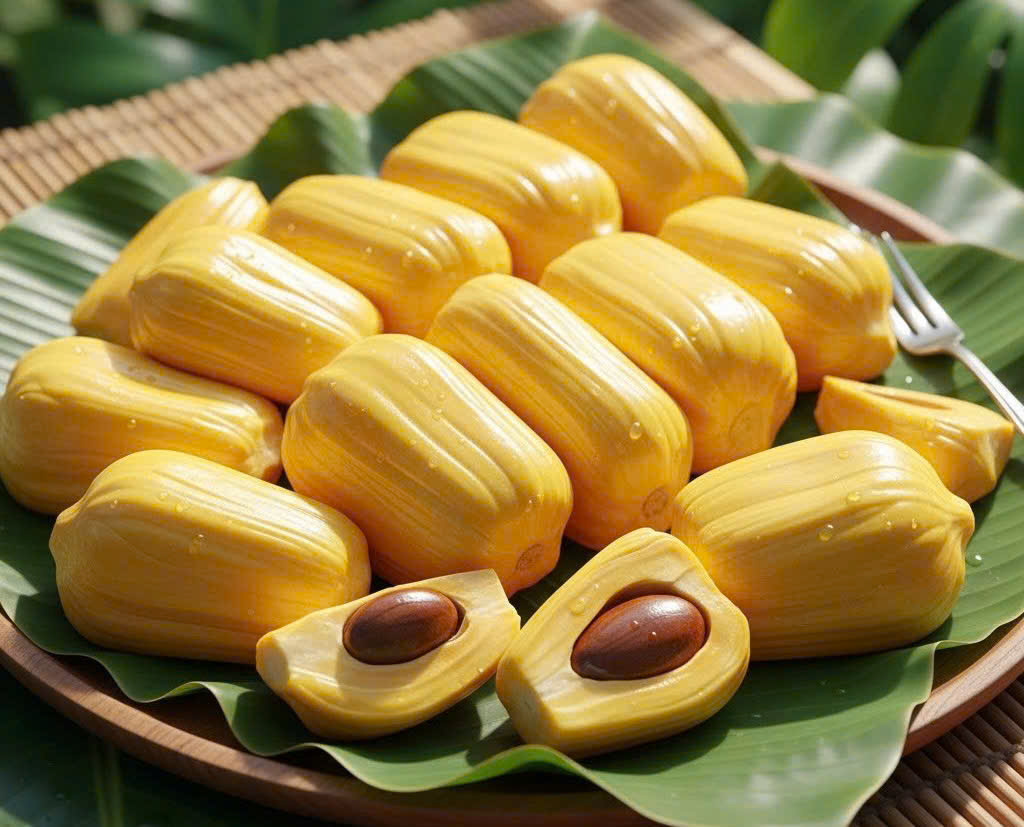 |
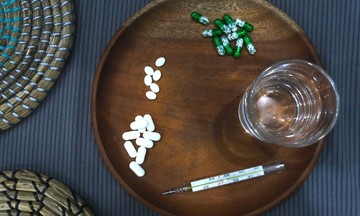
Limit high-sugar fruit intake to reduce strain on the liver. *Image created by AI* |
If you have elevated liver enzymes, fatty liver, diabetes, or obesity, limiting overly sweet fruits will reduce the burden on your liver. You can also substitute with fruit salad mixed with chia seeds, various nuts, or unsweetened yogurt to slow sugar absorption and improve metabolism.
Maintaining a balanced diet rich in green vegetables, limiting sweets and saturated fats, and exercising regularly helps stabilize liver enzymes. You should have regular follow-up appointments with a gastroenterology and nutrition specialist to monitor liver function and receive appropriate dietary advice. Supplementing with natural essences such as s.marianum and wasabia helps control the activity of Kupffer cells (resident macrophages in the liver), enhances detoxification capabilities, lowers liver enzymes, and can restore function affected by hepatitis and fatty liver.
Master of Science, Doctor Nguyen Anh Duy Tung
Specialist in Dietetics and Nutrition
Tam Anh General Clinic, District 7
| Readers can ask nutrition questions here for doctors to answer. |