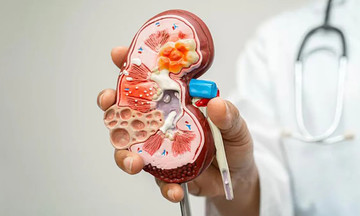
High-protein diets are a growing trend for muscle gain and weight loss, yet their true impact on kidney health remains a significant question for many.
The notion that consuming too much protein always harms the kidneys is only partially true: it primarily poses a risk if your kidneys are already compromised. When kidney function declines, excessive protein consumption will undoubtedly worsen the condition.
Why does protein create pressure on kidneys?
The primary role of the kidneys is to filter waste products from protein metabolism. The greater the protein intake, the harder the kidneys must work to eliminate these byproducts.
Doctor Abhijeet Kumar, Director of Nephrology and Kidney Transplant at Max Super Speciality Hospital (Lucknow), explained that when you consume protein, it breaks down into amino acids and is absorbed into the bloodstream. Filtering these amino acids and waste products increases the workload and blood pressure within the kidneys. This is particularly concerning if the kidneys are already experiencing problems.
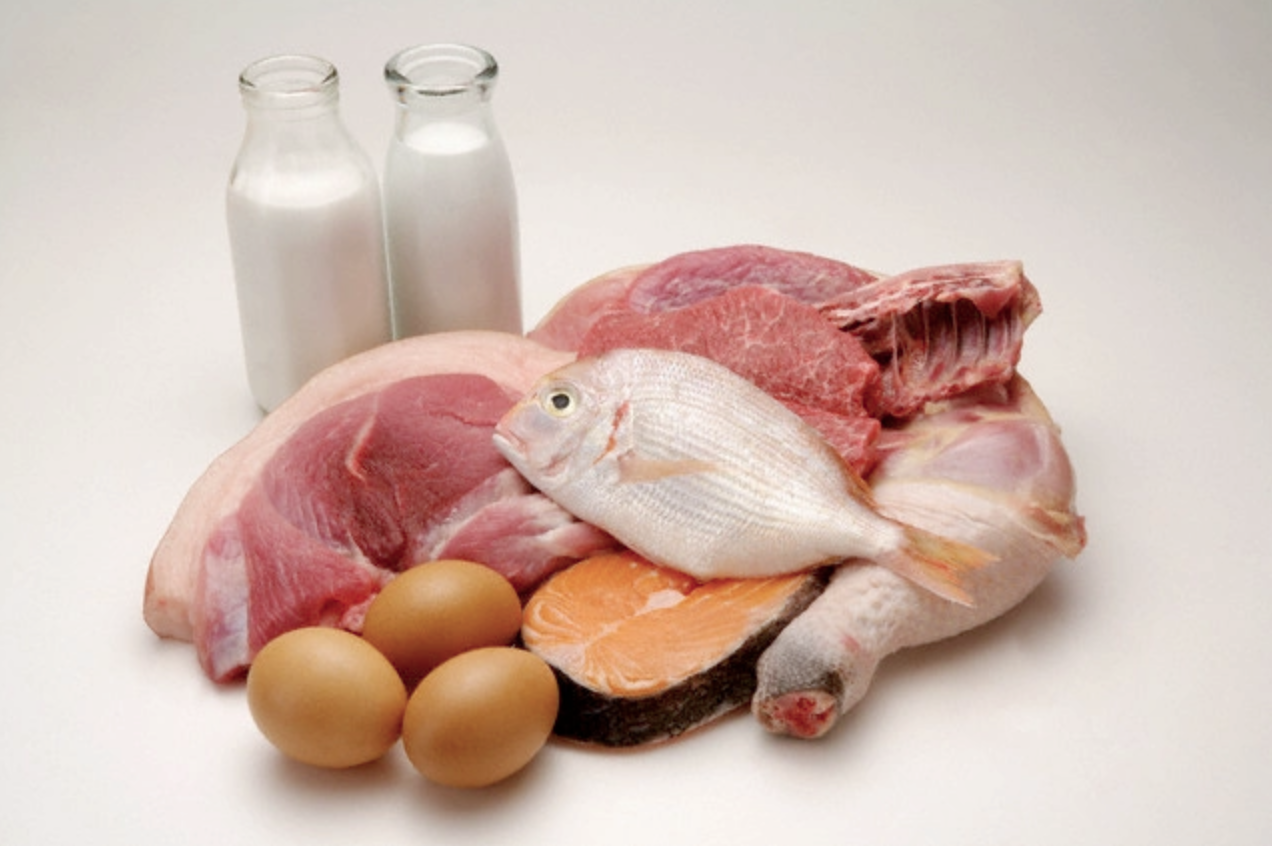 |
For those with existing kidney damage, excessive protein intake can create an undue burden. Photo: empoweredfit.com
Recommended protein intake for patient groups
For patients with kidney disease, monitoring protein intake is crucial. Doctor Kumar provides the following reference parameters (which may vary depending on individual conditions):
early-stage chronic kidney disease (CKD stages 1-3): 0,8 - 1 g of protein per kg of body weight.
advanced chronic kidney disease (CKD stages 4-5): 0,6-0,8 g of protein per kg of body weight.
patients undergoing hemodialysis: 1,2-1,5 g of protein per kg of body weight (to compensate for protein loss during filtration).
Risks of excessive protein intake
Consuming too much protein, especially from animal sources, can lead to several consequences:
Phosphorus burden: Animal proteins often contain high levels of phosphorus, making it difficult for kidney patients to excrete.
Acid excess: Diets with excessive animal meat increase acid production in the body.
Inflammation: Certain protein sources, notably red meat, can promote inflammatory responses.
Expert guidance on kidney protection
To keep your body's "filters" functioning optimally, you should note the following:
Prioritize lean protein: Choose skinless poultry, fish, or legumes.
Balance animal and plant protein: Do not rely too heavily on a single source.
Limit processed foods: Avoid cold cuts, sausages, and refined proteins.
Stay hydrated: Drinking plenty of water helps kidneys filter fats and amino acids more effectively.
Consult a specialist: If you are unsure about your health, undergo kidney function tests and seek personalized advice from a nephrologist.
Source: Moneycontrol