Response:
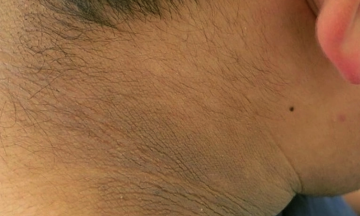
Melasma and skin darkening are common pigmentary disorders during pregnancy. These brown hyperpigmented patches typically appear on the face, especially on the cheeks, forehead, and bridge of the nose, significantly affecting a pregnant woman's appearance and mental well-being. This condition often emerges in the second or third trimesters of pregnancy as hormonal shifts become pronounced.
During pregnancy, increased levels of estrogen and progesterone can stimulate melanocytes to boost melanin production, leading to the formation or intensification of melasma patches and hyperpigmented areas. Additionally, the skin becomes more sensitive during pregnancy, making it prone to ultraviolet (UV) radiation stimulating melanin production, which darkens and spreads existing melasma. Women with a family history of melasma are more likely to experience this condition.
Most cases of pregnancy-related melasma tend to fade as hormones stabilize after childbirth. However, the extent of improvement varies among individuals, depending on their skin type, the degree of hyperpigmentation, and other factors affecting the skin. Approximately 30% of melasma cases can persist for an extended period, even years, without proper care and intervention.
Melasma also has the potential to recur or become more noticeable in subsequent pregnancies, especially in individuals prone to hyperpigmentation. Proper skin care and protection from UV radiation help prevent melasma from darkening and lingering after childbirth.
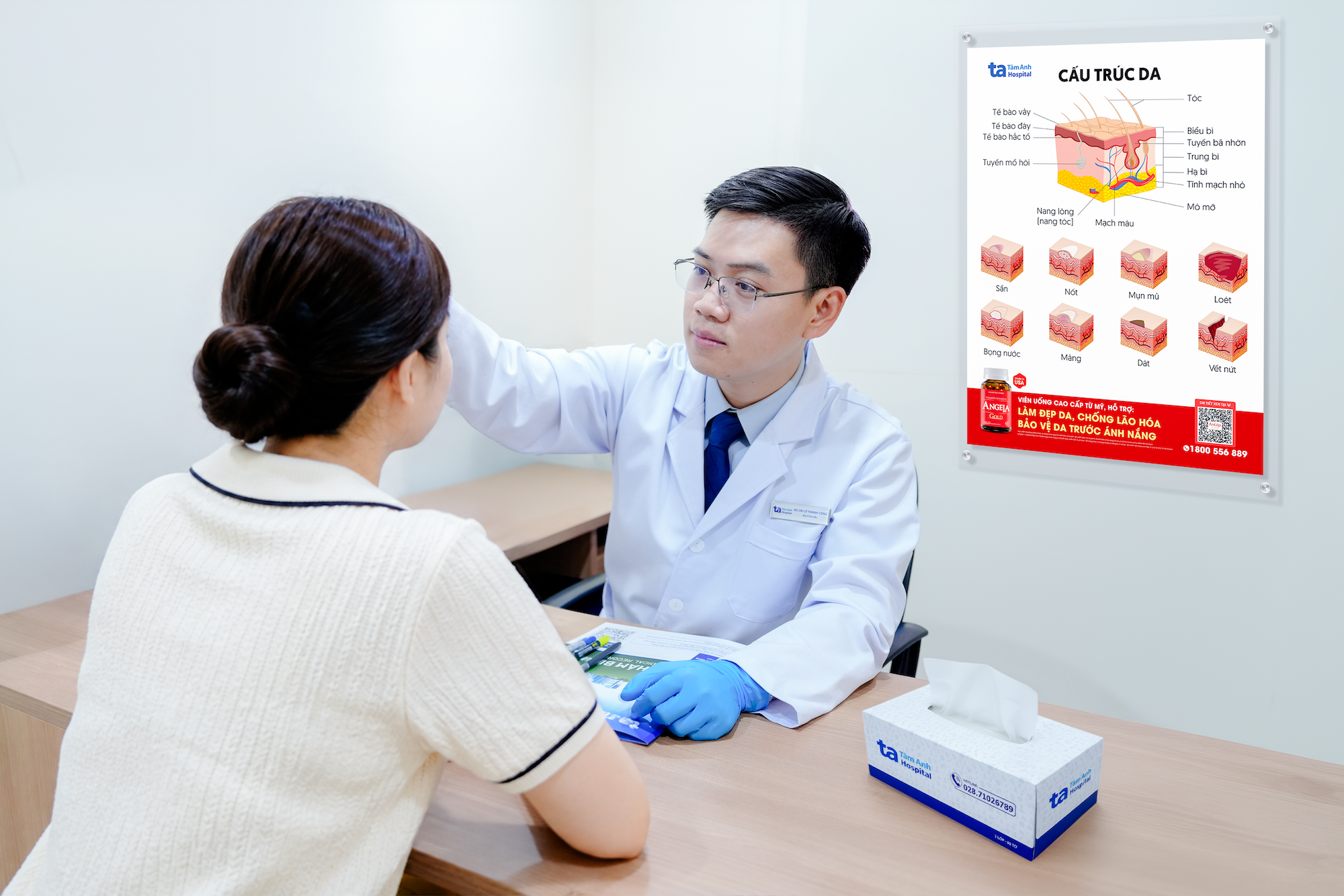 |
Doctor Cong examines a woman's skin. Illustration: Tam Anh General Hospital |
During pregnancy, doctors prioritize managing and controlling hyperpigmentation rather than aggressive melasma treatment. Some melasma treatment ingredients and aesthetic methods are not recommended for pregnant women due to insufficient safety data for the fetus. Furthermore, skin during this period is more sensitive, prone to irritation, and has an increased risk of post-inflammatory hyperpigmentation if inappropriate methods are applied.
You should protect your skin and limit factors that can worsen hyperpigmentation; sun protection is the most important measure. Use a broad-spectrum sunscreen with an SPF of 30 or higher, prioritizing physical sunscreens containing ingredients such as zinc oxide or titanium dioxide. Apply sunscreen about 20-30 minutes before going outside and reapply every two to three hours, especially during prolonged sun exposure.
Pregnant women should combine physical protection measures such as wearing wide-brimmed hats, dark fabric masks, sun-protective clothing, and limiting direct sun exposure, particularly during peak sun hours from 10h to 16h.
Maintain a consistent skincare routine and select products suitable for pregnant women. Do not use melasma treatment ingredients like retinol or hydroquinone without a specialist doctor's recommendation. Choose a moisturizer that includes skin-brightening ingredients like azelaic acid or niacinamide, appropriate for your skin condition and advised by a doctor.
A few months after childbirth, if melasma patches show no signs of improvement or continue to darken and spread, consult a dermatologist at a hospital or specialized facility. The doctor will assess the pigmentation and develop a suitable treatment plan based on the severity of the melasma, skin condition, and breastfeeding stage.
Doctor, Level one Specialist Le Thanh Cong
Department of Dermatology - Aesthetic Dermatology
Tam Anh General Hospital TP HCM
| Readers can submit questions about dermatology and aesthetic dermatology here for doctors to answer. |