Everyone experiences periods of difficulty getting the recommended 7 to 9 hours of sleep each night. Early in a career, this might involve long, busy days at the office or late-night gatherings with colleagues. With young children, it often means struggling to catch naps, adhering to the familiar advice: "sleep when the baby sleeps."
As people enter their later years, sleep should ideally become less problematic. However, many older adults find it challenging to achieve a full night's rest. According to the National Council on Aging (US), as many as 50% of individuals aged 60 and older report experiencing insomnia.
Why do people wake up more easily during the night as they age?
"Many factors contribute to older adults finding it harder to fall asleep or stay asleep as they get older," states Doctor Edmundo Rodriguez-Frias, a geriatrician and medical contributor at Paramount Wellness Retreat in Haddam, Connecticut.
Doctor Rodriguez-Frias explains that as people age, their circadian rhythm shifts, causing them to feel sleepy earlier in the evening than when they were younger. "Because they go to bed earlier, the body naturally wakes up earlier, which can affect the total hours of sleep throughout the night," he notes.
"Older adults often spend less time in deep sleep, meaning their sleep is lighter and they are more easily awakened," observes Doctor Julia Loewenthal, an assistant professor at Harvard Medical School and a primary care physician and geriatrician at Lutanen Health. Consequently, environmental disturbances like street noise, which might not have bothered you when you were younger, can now easily wake you.
Both doctors agree that chronic illnesses also contribute to older adults waking up during the night. According to Doctor Loewenthal, these conditions include rheumatoid arthritis, sleep apnea, and anxiety, among other health issues that directly impact sleep.
Additionally, the need to use the restroom is a common cause. Doctor Rodriguez-Frias explains that as the body ages, the bladder loses elasticity and cannot hold as much urine as before. This condition leads older adults to urinate more frequently, including at night.
What should you do if you wake up unexpectedly during the night?
Doctor Rodriguez-Frias advises resisting the urge to reach for your phone first. The light emitted from the screen and the influx of information from news sites, social media, or emails will stimulate the brain and body, making you more awake.
Continuously checking the clock is also ill-advised. Watching minutes tick by while you remain awake only increases frustration and stress. "Creating psychological pressure or mentally calculating how many more hours you could sleep if you doze off now actually makes it harder to fall back asleep," adds Doctor Loewenthal.
Instead, Doctor Loewenthal recommends trying your best to keep your body relaxed. "You can count sheep or focus on your breathing," she shares. Inhaling and exhaling deeply helps activate the parasympathetic nervous system, a key factor in returning the body to sleep. A 2025 study published in the journal Frontiers in Sleep indicates that breathing exercises significantly improve insomnia symptoms with long-lasting effectiveness.
If you have been lying in bed for 20 minutes and still cannot fall back asleep, both experts advise leaving the bed and doing something under soft light, such as reading a book. Then, return to bed when you feel drowsy.
 |
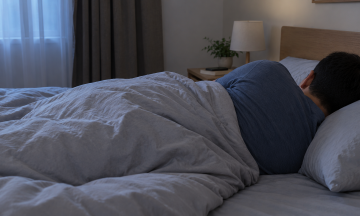
Avoid checking your phone, looking at the clock, and practice deep breathing to relax when you wake up during the night. Photo: Independent |
How to reduce waking up during the night
Knowing how to handle waking up mid-sleep is essential, but proactive prevention is even better. The two experts emphasize that this is when familiar sleep hygiene habits prove effective.
"Some measures to adopt include: going to bed and waking up at the same time each day, maintaining physical activity throughout the day, avoiding caffeine and alcoholic beverages in the late evening, and keeping the bedroom cool and dark," advises Doctor Rodriguez-Frias.
Since circadian rhythms change over time, all habits that support your circadian rhythm provide long-term benefits. Doctor Loewenthal suggests getting natural sunlight in the morning and limiting exposure to bright lights and electronic screens before bed.
If chronic pain, an overactive bladder, or physical issues are waking you during the night, you should see a doctor for a suitable intervention plan. Sleep plays a vital role in health, and underlying conditions should not be left untreated.
If you consistently wake up during the night for several weeks or longer, experts recommend consulting a doctor, ideally a sleep specialist. A doctor will help identify the root cause and provide targeted treatment solutions.
"Waking up a few times during the night is a natural part of aging and does not necessarily indicate an abnormal problem. However, if a person takes a long time to fall back asleep or always feels drowsy and tired during the day, that is when attention is needed," Doctor Loewenthal stresses.
Doctor Rodriguez-Frias suggests greater concern if waking up during the night occurs so frequently that it impairs daily activities and work performance. If you are constantly waking up during the night, the condition worsens over time, you feel sleepy and sluggish throughout the day, or your sleep is accompanied by snoring, gasping, restless legs syndrome, aches, mood changes, or frequent nighttime urination, you should see a doctor for a thorough examination.
While sleep patterns can change with age, getting enough sleep remains crucial. Maintaining a full night's sleep helps you regenerate the energy needed to fully enjoy the pleasures of daily life.
My Y (According to Yahoo)