Caffeine can cause a temporary increase in blood pressure, especially in individuals who rarely consume coffee or are sensitive to it. According to Prevention, this occurs because caffeine affects the mechanisms that regulate blood vessels. Adopting a few simple habits can help limit the drink's impact on blood pressure readings for those with hypertension.
Avoid consuming too much caffeine at once
Caffeine stimulates the nervous system, increasing sympathetic activity, which can lead to a short-term rise in blood pressure. The extent of this increase depends on the amount of caffeine consumed, individual coffee-drinking habits, and personal sensitivity.
Individuals with high blood pressure should begin with a small amount, avoid drinking multiple cups in quick succession, and pay attention to their body's reactions. The caffeine content in each cup varies significantly based on the bean type, brewing method, and drink size, so relying solely on the number of cups is not an accurate way to estimate consumption.
 |
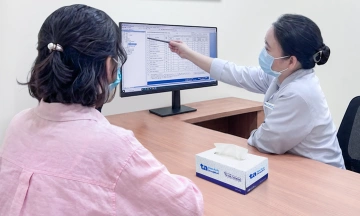
Individuals with high blood pressure should drink small amounts, avoiding multiple cups in quick succession. Illustration: Bao Bao |
If measuring blood pressure, do so before drinking coffee
Mornings are a common time for many to check their blood pressure at home before starting their day. If monitoring readings, patients should measure their blood pressure before consuming coffee to minimize caffeine's impact on the results.
According to the American Heart Association (AHA), caffeine-containing beverages should be avoided for at least 30 minutes before measuring blood pressure. The individual taking the measurement should also sit still for at least 5 minutes, with their back supported by a chair, both feet flat on the floor, legs uncrossed, and their arm kept at heart level.
Measurements should be taken at a similar time each day, results recorded, and healthcare professional instructions followed. A high blood pressure reading after drinking coffee is not sufficient to conclude that a patient's hypertension has worsened. If results consistently exceed treatment targets, patients should consult their doctor for an assessment.
Exercise caution if blood pressure is uncontrolled
Individuals diagnosed with high blood pressure do not necessarily need to eliminate coffee entirely, but they should consider their condition and their reaction to caffeine. Specifically, those with uncontrolled high blood pressure or who notice a clear increase in readings after consumption should limit their intake and seek medical advice.
According to Verywell Health, individuals with controlled blood pressure or only a slight increase can generally consume a moderate amount of coffee, about 1-3 cups daily. However, those sensitive to caffeine or with uncontrolled blood pressure need to be more cautious.
This amount is not a general recommendation for all patients. Doctors can consider blood pressure levels, co-existing cardiovascular conditions, current medications, and total daily caffeine intake to provide appropriate advice. Patients should not arbitrarily stop or change their medication based on coffee adjustments.
Be mindful of caffeine from other sources
Coffee is not the sole source of caffeine in the diet. Tea, energy drinks, some soft drinks, chocolate, and certain medications or supplements can also contain this substance. If consuming coffee in the morning, patients should account for caffeine intake from other sources throughout the day.
According to Medical News Today, coffee's impact on blood pressure depends on the amount and frequency of consumption. Individuals looking to reduce caffeine can try decaffeinated coffee or gradually decrease their intake, while regularly monitoring their blood pressure readings.
Bao Bao (Compiled)