


In the current weight loss craze, many people have a "carb-phobic" mindset, viewing rice or noodles as "enemies" that cause obesity and high blood sugar. However, carbohydrates are one of the three essential nutrients for sustaining life.
In reality, not all types of carbohydrates are the same. Recent studies indicate that a diet rich in high-quality carbs plays an important role in slowing aging and managing weight. Their importance is greater than often perceived.
Eating too few carbohydrates makes people age faster
The connection between diet and age is significant. A study published in The Journal of Nutrition in 1/2025 indicated that a diet rich in high-quality carbs helps slow epigenetic aging by up to 1,2 years.
Experts explain that nutrients in plant-based foods help reduce oxidative stress and inflammatory responses, thereby positively impacting DNA methylation.
Many worry that eating carbohydrates causes weight gain, but high-quality carbs support effective weight loss. A 2023 study in the British Medical Journal (BMJ) confirmed that limiting "poor-quality carbs" (refined sugar, soft drinks, refined grains) and increasing "high-quality carbs" (whole grains, fruits, non-starchy vegetables) helps control weight.
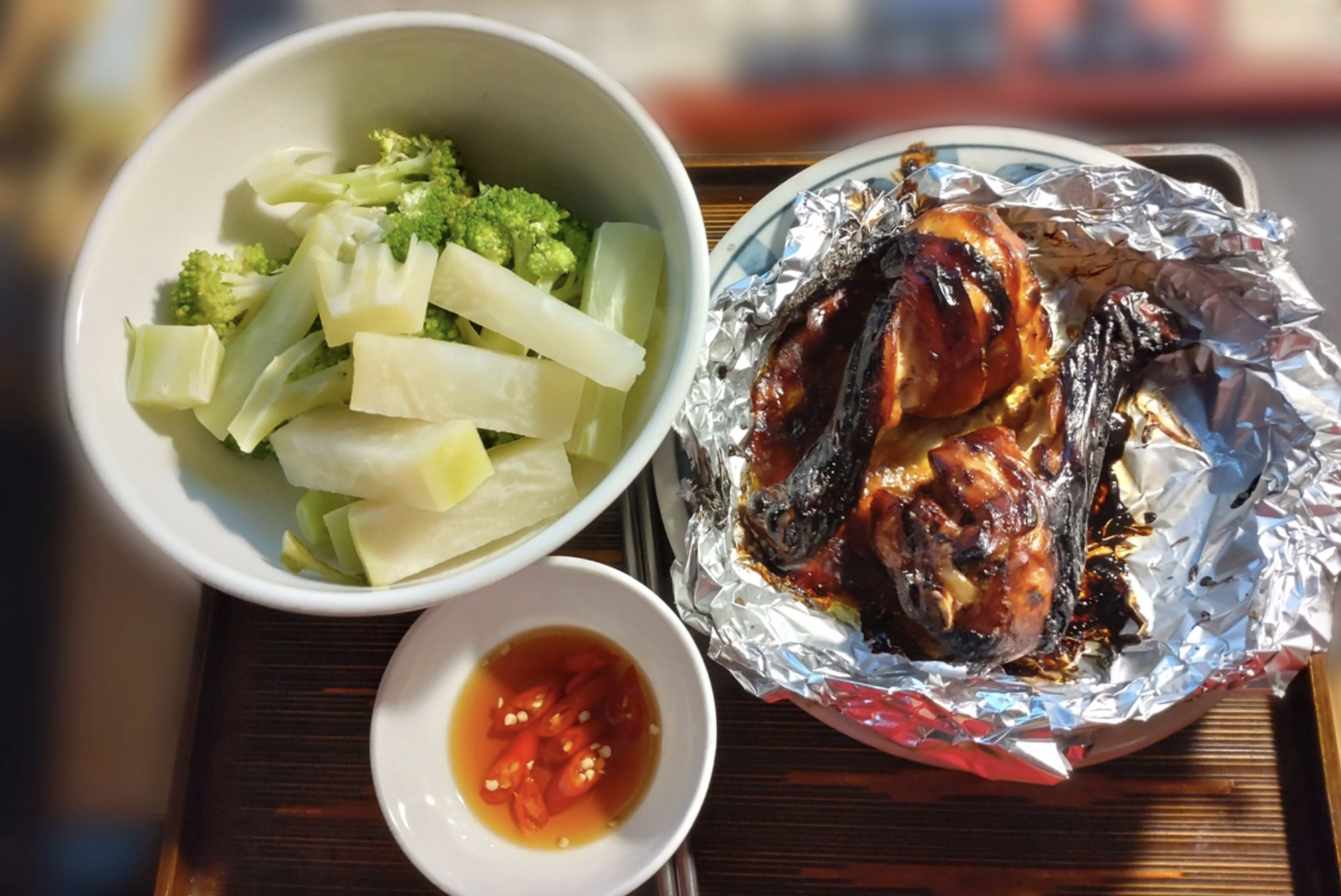 |
A meal completely devoid of carbohydrates. Illustration: Hong Anh
What are "high-quality carbohydrates"?
To make informed choices, we distinguish two carbohydrate groups based on nutritional value:
High-quality carbohydrate group ("good carbs")
This group provides energy and is rich in vitamins, minerals, and fiber. According to nutritionist Tuong Van Tinh (Guang An Hospital, Sichuan University), this group includes:
Whole grains: Brown rice, corn, black rice, oats, buckwheat... rich in fiber.
Tubers: Potatoes, sweet potatoes, taro, yam... high in fiber.
Legumes: Red beans, mung beans, soybeans, chickpeas... rich in protein and promote satiety.
Starchy vegetables: Pumpkin, lotus root... contain beneficial polysaccharides.
Fruits: Contain easily absorbed natural sugars along with fiber, with minimal negative impact on blood sugar if consumed in moderation.
Poor-quality carbohydrate group ("bad carbs")
This group primarily provides "empty calories", lacks micronutrients, and often contains high amounts of oil, salt, and sugar. Expert Ly A Nhu (Beijing Friendship Hospital) lists:
Fried foods (french fries, snacks).
Foods with added sugar (cakes, cookies).
Sugary drinks (bottled fruit juice, milk tea).
So, are white rice and white noodles "good" or "bad"?
Expert Ly A Nhu states that refined carbohydrates should not be entirely "negatively labeled". They are easily digestible, suitable for those with sensitive digestive systems. Eating only whole grains can lead to bloating and stomach pain. The key is to combine whole and refined options.
Optimal carbohydrate intake for best health
Based on 2023 WHO guidelines and the 2022 Chinese Resident Dietary Pagoda, the ideal daily carbohydrate intake is:
Whole grains: Should account for 1/4-1/3 of total daily carbohydrate intake (approximately 50-150 g). The total grain intake for adults is 200-300 g/day.
Green vegetables: Ensure at least 300 g of fresh vegetables daily, with dark-colored vegetables (dark green, red, purple) making up half.
Fruits: Consume 200-350 g directly each day, prioritizing seasonal fruits. Note: Juices cannot replace fresh fruit.
Legumes: Combine legumes with rice or use as fillings in dishes to supplement B vitamins, potassium, magnesium, and enhance protein utilization.
My Y (According to HK01)


