Peanut butter offers several benefits when consumed in the evening, primarily aiding in better sleep and overall well-being. On average, 100 g of peanut butter contains about 573 kcal. One tablespoon (about 15 g) provides nearly 90-100 kcal, along with a small amount of protein and magnesium. When consumed in reasonable portions, it can supplement nutrition without excessive energy intake.
Magnesium levels are linked to sleep quality. Peanut butter provides a certain amount of magnesium (about 25-30 mg per tablespoon), contributing to body relaxation and improved sleep when adequately supplemented.
Peanut butter contains tryptophan, an amino acid that can convert into serotonin and melatonin, hormones associated with sleep. Adequate tryptophan intake can help improve sleep quality. When combined with healthy carbohydrate-rich foods like whole-grain bread or fruit, the transport of tryptophan to the brain can be more efficient, leading to better sleep.
Peanut butter contains healthy fats, protein, and fiber, which slow digestion and help stabilize blood sugar—a crucial factor for sleep. Sudden spikes or drops in blood sugar can disrupt sleep, leading to fatigue. With a low glycemic index, peanuts cause less rapid blood sugar increase, while protein and fats help the body absorb energy gradually.
Reducing inflammation
Peanut butter is rich in unsaturated fats, particularly oleic acid, which benefits heart health and helps reduce inflammation. It also provides vitamins and minerals such as vitamin E, B3, B6, folate, copper, manganese, along with some biotin (vitamin B7), iron, potassium, zinc, and selenium. Peanut butter contains antioxidants like p-coumaric acid and resveratrol, which help protect cells and reduce inflammatory responses in the body when consumed in moderation.
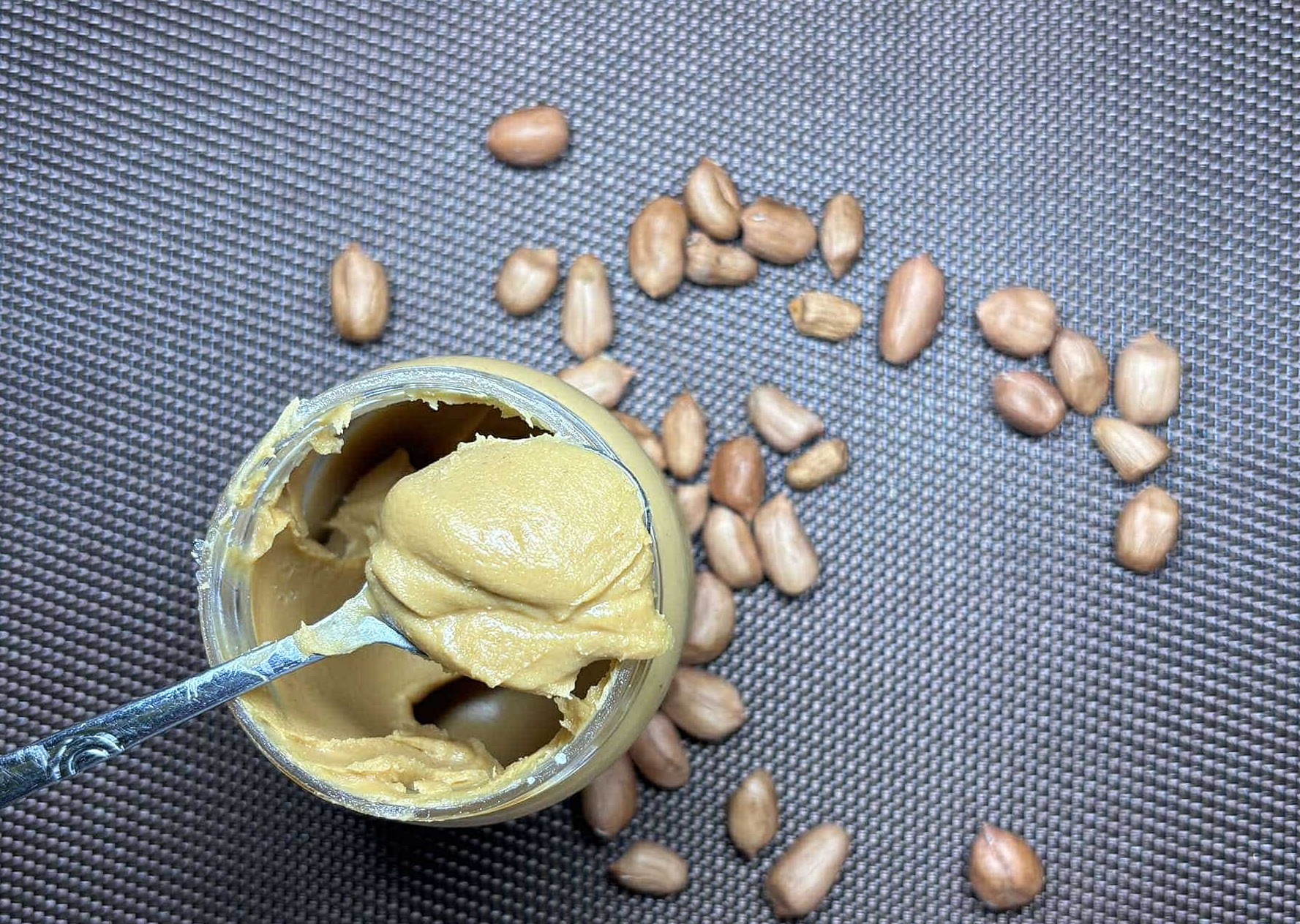 |
Peanut butter, rich in magnesium, promotes good sleep. *Anh Chi* |
Promoting satiety
Due to its richness in protein and fats, peanut butter helps create a lasting feeling of fullness. For those who wake up easily due to hunger, a small amount (about one tablespoon) eaten with an apple or whole-grain bread can reduce hunger and help maintain better sleep.
To enhance sleep quality, choose natural peanut butter without added sugar, salt, or other sweeteners. Consume only about 1-2 tablespoons, as peanut butter is calorie-dense, and excessive intake can lead to unwanted calorie consumption and weight gain. It is advisable to eat it 2-3 hours before bedtime to reduce the risk of acid reflux and heartburn.
*Anh Chi (According to Very Well Health, ETimes)*
| Readers can send questions about neurological diseases here for doctors to answer. |