Pham Thi Anh Thu, a 22-year-old English teacher, was declared brain-dead by a medical council. Her father, Pham Ba Ung, stated the family decided to donate their daughter's organs to give life to others. Doctors successfully retrieved her heart, liver, and two kidneys for four patients. Her lungs were damaged and unsuitable for transplantation.
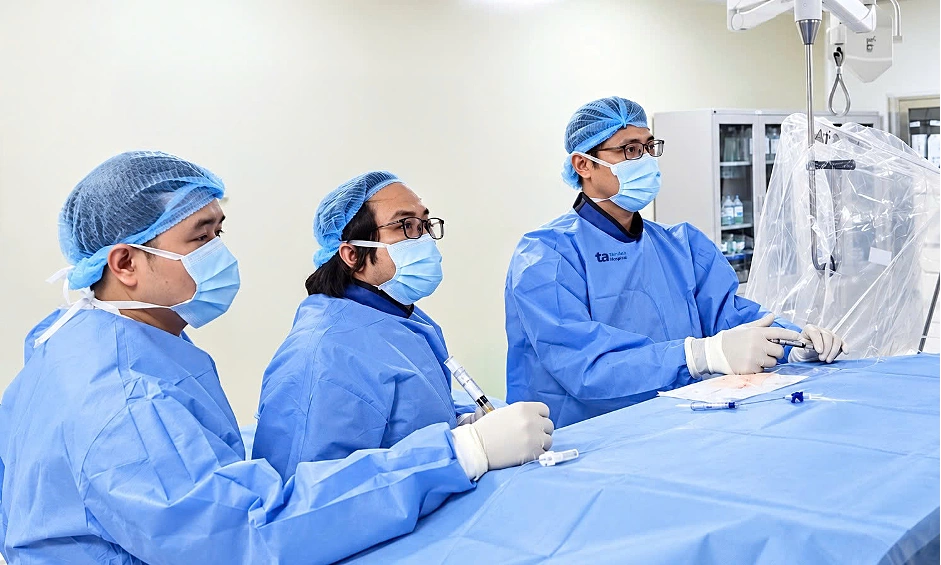
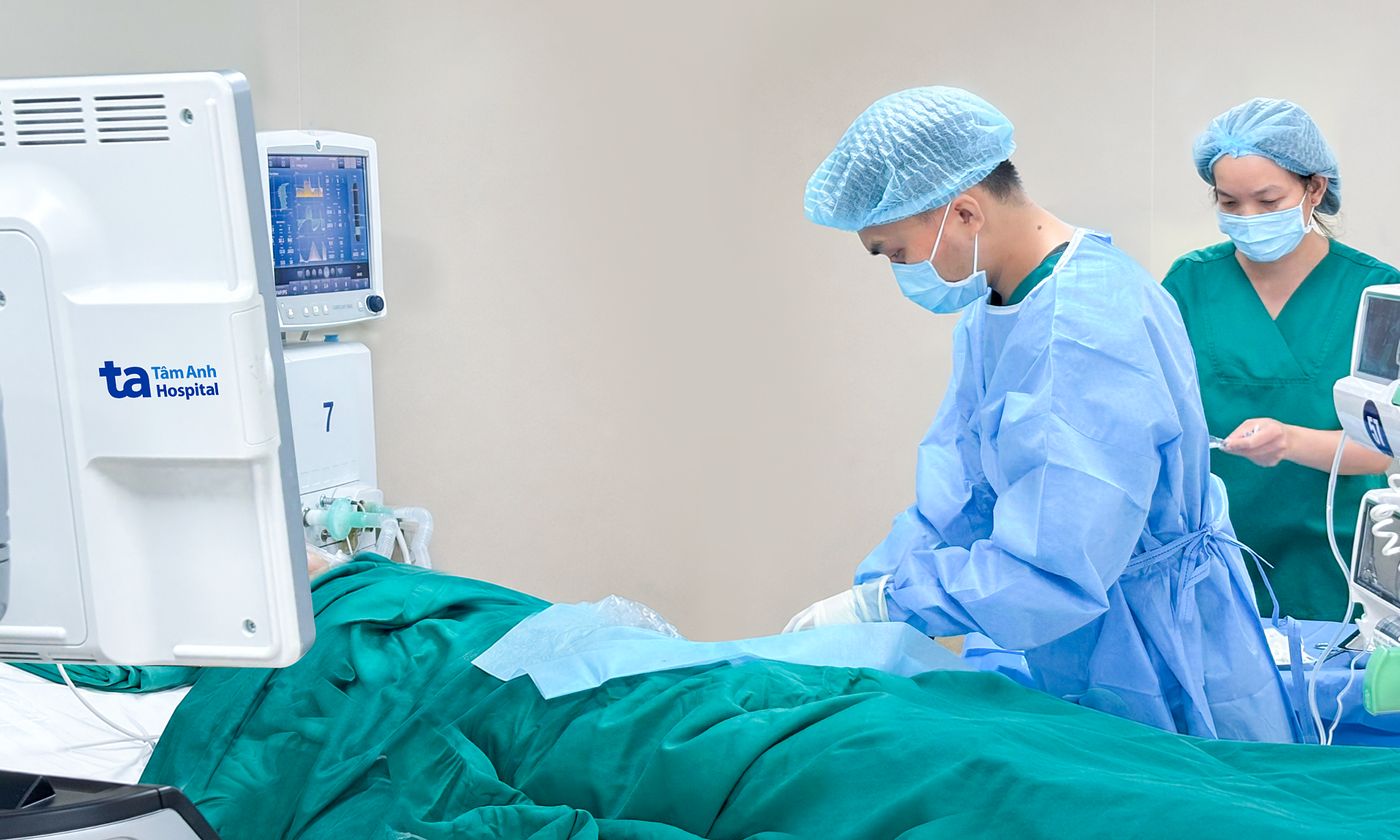
The organ retrieval surgery took place on October 15, involving experts from Hung Vuong Gia Lai Hospital, Military Hospital 108, Military Medical 103, Viet Duc Friendship Hospital, and Hue University of Medicine and Pharmacy Hospital.
This marks the first time an organ retrieval from a brain-dead donor has been carried out in Gia Lai, signaling a significant advancement in the local healthcare sector's organ donation and transplantation efforts.
 |
Pham Ba Ung (right), father of the organ donor, at Hung Vuong Hospital. Photo: Ngoc Oanh.
Nationwide, the number of families agreeing to donate organs from brain-dead relatives has increased significantly. Before 2023, organ donations from brain-dead individuals accounted for less than 5% of all transplant cases. This figure rose to 12.9% in 2024 and nearly 19% in 2025. This positive shift is attributed to sustained public awareness campaigns at medical facilities, fostering a more open community mindset towards post-mortem organ donation.
Organ and tissue transplantation serves as a last resort for chronic diseases characterized by irreversible functional decline, such as chronic kidney failure, liver disease, heart conditions, bone marrow disorders, and corneal damage. Over three decades, Vietnam has performed more than 10,000 organ transplants.
Tran Hoa