Many eye diseases can progress silently, causing no pain, discomfort, or blurred vision in their initial stages, making them difficult for patients to recognize. Regular eye exams help detect damage early and reduce the risk of vision impairment. Dr. Phung Van Thanh, a specialist at the High-Tech Eye Center, Tam Anh General Hospital Hanoi, recommends that the 5 groups of people below should have their eyes checked even without unusual symptoms.
Individuals over 40 years old
The older one gets, the higher the risk of developing eye conditions such as cataracts, glaucoma, and macular degeneration. Glaucoma, in particular, can silently damage the optic nerve, causing gradual peripheral vision loss that patients may not notice.
Glaucoma symptoms often only appear when the disease has already progressed. Therefore, a comprehensive eye exam, including fundus examination after pupil dilation and visual field testing when necessary, helps detect the disease early, before vision significantly declines.
According to the American Academy of Ophthalmology (AAO) guidelines in 2026, adults without risk factors should undergo comprehensive eye exams based on age: every 5-10 years for those under 40 years old, every 2-4 years for those 40-54 years old, every 1-3 years for those 55-64 years old, and every 1-2 years for those 65 years old and above. Individuals with symptoms or a higher risk of eye disease may require more frequent examinations.
 |
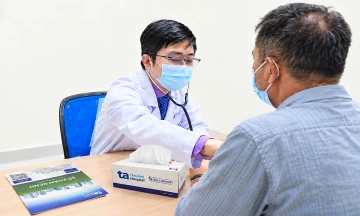
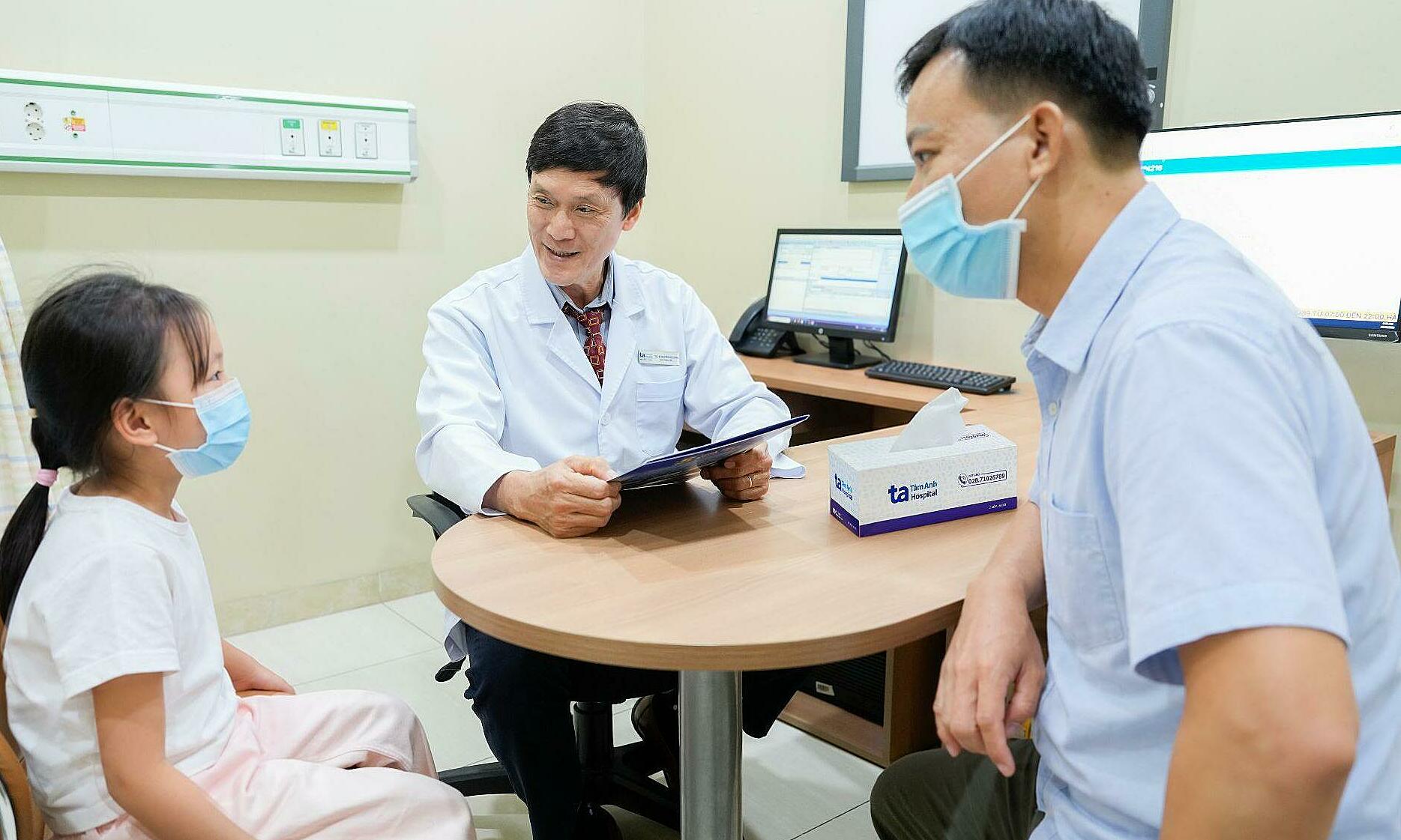
A doctor examines a male patient over 40 years old. *Photo: Tam Anh General Hospital*.
Individuals with diabetes
Prolonged high blood sugar can damage the small blood vessels in the retina, leading to diabetic retinopathy. This condition often progresses silently, causing no noticeable vision impairment in its early stages. By the time patients experience blurred vision, dark spots, or vision loss, the damage may already be severe.
Individuals with diabetes also face a higher risk of developing glaucoma and cataracts. Regular eye exams help detect damage early, allowing for timely treatment and reducing the risk of vision loss.
Patients with type 2 diabetes should have a dilated eye exam immediately upon diagnosis. Those with type 1 diabetes should have their first eye exam within 5 years of diagnosis, and then at least once every year or as directed by their doctor.
Individuals with hypertension
Chronic high blood pressure can damage blood vessels in the retina, causing hypertensive retinopathy, which can severely affect vision. Patients may also have co-existing cardiovascular, kidney, and vascular diseases, further increasing the risk of eye damage.
Even if their vision remains clear, individuals with hypertension should not be complacent. Eye exams allow doctors to check the retina and detect early signs of blood vessel damage. Individuals with hypertension should consult their doctor about the appropriate frequency for eye exams. The specific schedule depends on disease control and the results of previous examinations.
Individuals with a family history of glaucoma
Glaucoma often causes no pain or blurred vision in its early stages. The disease silently damages the optic nerve, potentially leading to irreversible vision loss if not detected and treated promptly.
A family history is a significant risk factor for glaucoma. Individuals whose parents or siblings have the condition should proactively inform their doctor, even if their vision appears normal. High-risk groups typically require exams every 1-2 years, depending on age, risk level, and previous exam results.
Long-term smokers
Smoking not only harms the heart, lungs, and blood vessels but also increases the risk of eye diseases. Smokers are at a higher risk of developing age-related macular degeneration and cataracts. These conditions can lead to gradual vision decline, affecting reading, facial recognition, driving, and daily activities.
Long-term smokers, especially older individuals or those with chronic diseases, should have regular eye exams to check their retina, lens, and other eye structures. Quitting smoking also helps reduce the risk of tobacco-related eye diseases.
Minh Duong
| Readers can submit questions about ophthalmological conditions here for doctors to answer. |