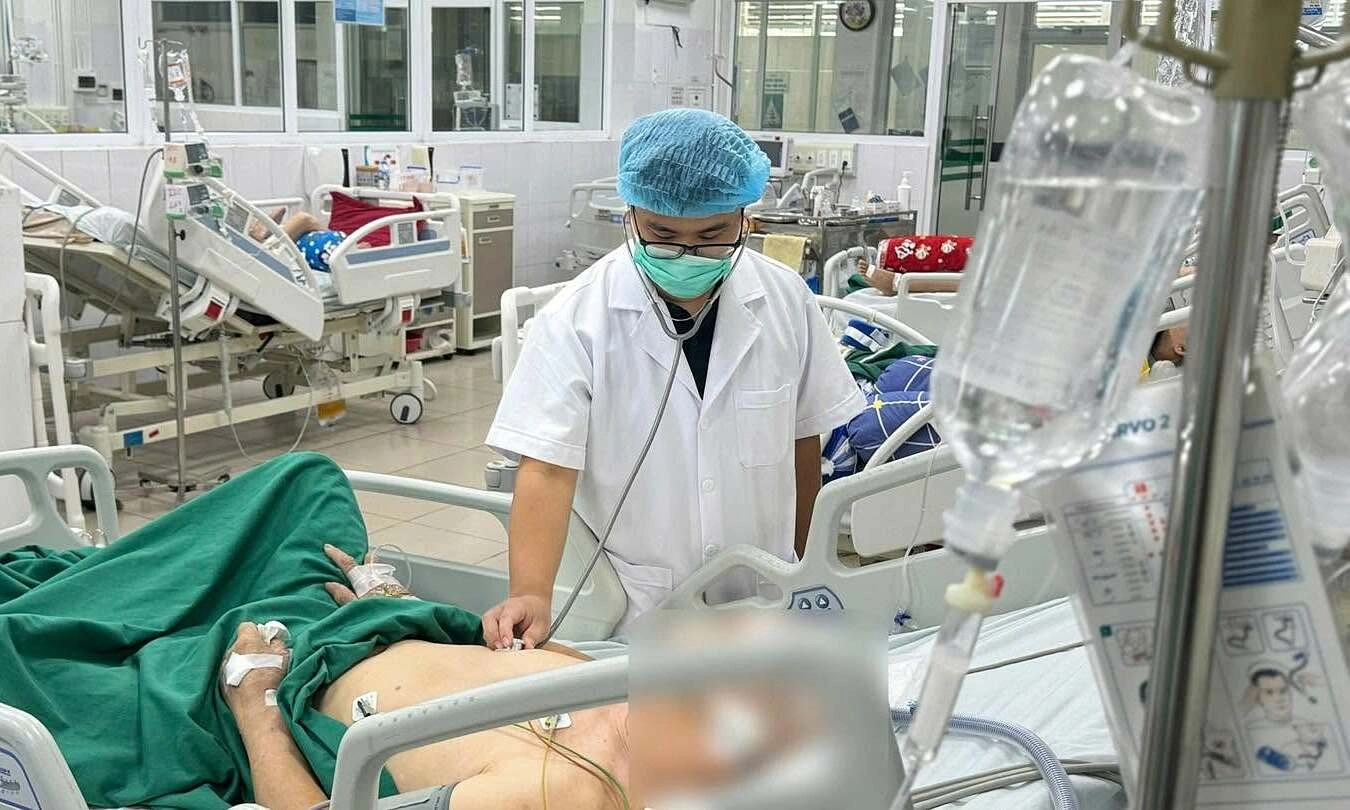
Abdominal pain is a frequent symptom in children, often caused by gas, constipation, or gastrointestinal infections. Dr. Nguyen Huu Dung, a pediatric surgeon at Tam Anh General Hospital Ho Chi Minh City, warns that appendicitis in children can initially mimic typical digestive issues. Misdiagnosis and delayed medical attention risk a ruptured appendix, leading to peritonitis and a life-threatening condition.
Common abdominal pain
Pain due to gas or constipation may occur in episodes, accompanied by bloating. Pain from gastrointestinal infections often presents with diarrhea, vomiting, or fever. Beyond stomach discomfort, children might lose appetite but typically maintain normal activity in the early stages.
Appendicitis pain
Unlike pain from common digestive upsets, appendicitis pain increases in severity and does not resolve spontaneously. Initially, children often feel a dull ache around the navel or central abdomen. This can easily be mistaken by parents for minor discomfort. However, within hours, the pain typically shifts and becomes distinct in the lower right abdomen.For children under 5 years old, recognizing the condition is harder as they cannot precisely describe the pain's location or intensity. They may only cry, refuse food, show fatigue, reduce activity, vomit, or develop a fever. These atypical symptoms often lead to confusion with digestive disorders, sometimes resulting in diagnosis only after complications arise.
 |
Dr. Dung examines a child patient. Illustration: Tam Anh General Hospital |
When to seek emergency care
According to Dr. Dung, parents should take their child to a medical facility promptly if abdominal pain persists, gradually worsens, especially when it moves to the lower right abdomen.If appendicitis is suspected, doctors perform a clinical examination, checking: pain location, abdominal wall reaction, and signs of peritoneal irritation. Depending on the situation, doctors may use blood tests, abdominal ultrasound (a safe, radiation-free method suitable for children) to view the appendix directly, or a CT scan.
 |
A doctor at Tam Anh General Hospital performs an ultrasound to assess a child's appendix. Photo: Tam Anh General Hospital |
For acute appendicitis, surgery to remove the appendix is the main and most effective treatment. Laparoscopic appendectomy is the preferred technique for children. It offers minimal invasiveness, a small incision, cosmetic benefits, maximum post-operative pain reduction, and limits intestinal adhesions. Post-surgery, children receive close recovery monitoring, wound care, and adjusted nutrition and early movement to ensure quick recovery and early hospital discharge.
Dr. Dung advises parents not to delay if a child has prolonged abdominal pain or unusual symptoms. Parents should not administer painkillers, anti-diarrhea medication, or folk herbal remedies at home. Such actions can mask clinical symptoms, hindering accurate diagnosis and delaying necessary treatment.
Bao Anh
| Readers can send questions about children's health here for doctors to answer |