Tests at Tam Anh General Hospital TP HCM revealed Ong Tuan's liver enzymes were significantly elevated, indicating liver damage. His liver tissue stiffness was equivalent to F4 fibrosis, a warning sign of severe cirrhosis. The patient's blood also showed a high hepatitis B virus load, indicating active viral replication.
Specialist doctor Nguyen Hoang Anh Duy, from the Department of General Internal Medicine, diagnosed Ong Tuan with chronic hepatitis B. The patient also presented with yellow eyes, dark urine, blood coagulation dysfunction, and other homeostatic imbalances. These symptoms indicated that the inflammation had significantly affected liver function.
 |
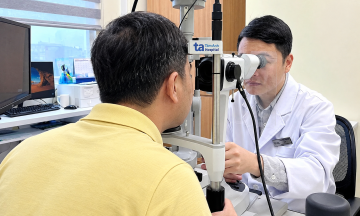
Doctor Duy examines Ong Tuan. Photo: Tam Anh General Hospital |
Ong Tuan received antiviral medication to control the hepatitis B virus. He also underwent liver support measures, blood sugar and blood pressure regulation, and treatment for other bodily dysfunctions. In subsequent days, Ong Tuan became more alert and continued antiviral treatment and supportive care, with regular liver index checks to assess his response to treatment.
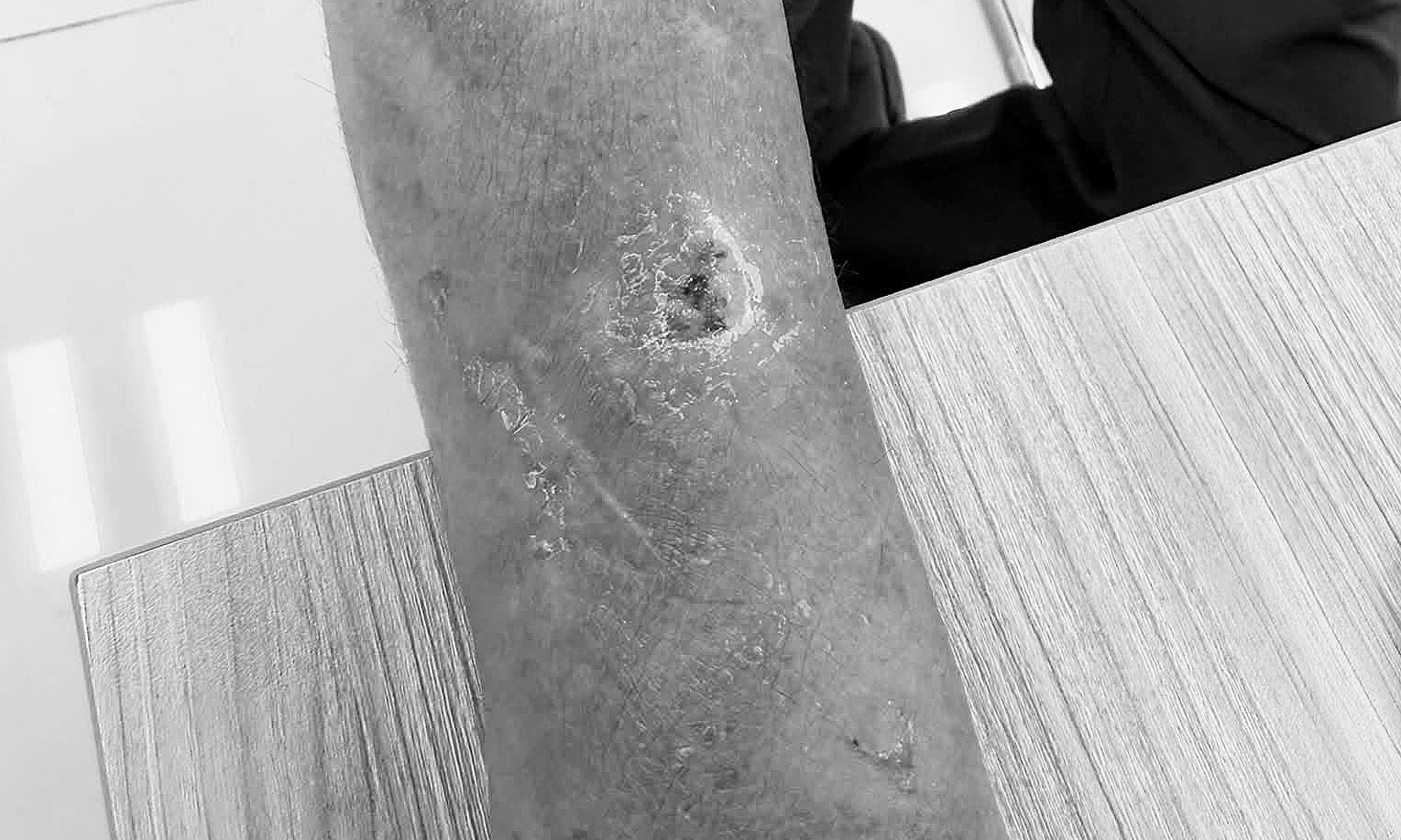
Ong Tuan was also being treated for the autoimmune disease Pemphigus foliaceus with corticosteroids, which are immunosuppressants used to manage the condition. Based on this case, Doctor Duy warned that individuals taking immunosuppressants should undergo health checks, as some medications can trigger a flare-up of dormant hepatitis B. For those already infected with the hepatitis B virus, these drugs can cause the virus to reactivate and lead to liver damage.
Patients undergoing treatment for autoimmune diseases must attend scheduled follow-up appointments, complete all required tests, and fully disclose all medications they are currently taking. Immunosuppressant dosages should not be stopped or reduced without a doctor's careful consideration and assessment, which should be based on both the autoimmune condition and the risk of hepatitis B reactivation. Regular general health check-ups are also crucial for detecting new conditions and monitoring bodily changes during chronic disease treatment.
Nhat Thanh
*Patient's name has been changed