Hoai developed hypertension at 35 and took prescribed medication. She frequently experienced hypertensive crises, characterized by severe headaches, palpitations, hand tremors, sweating, and difficulty breathing.
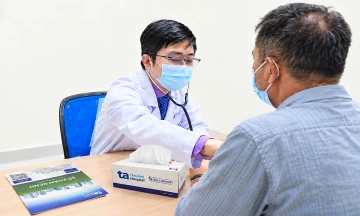
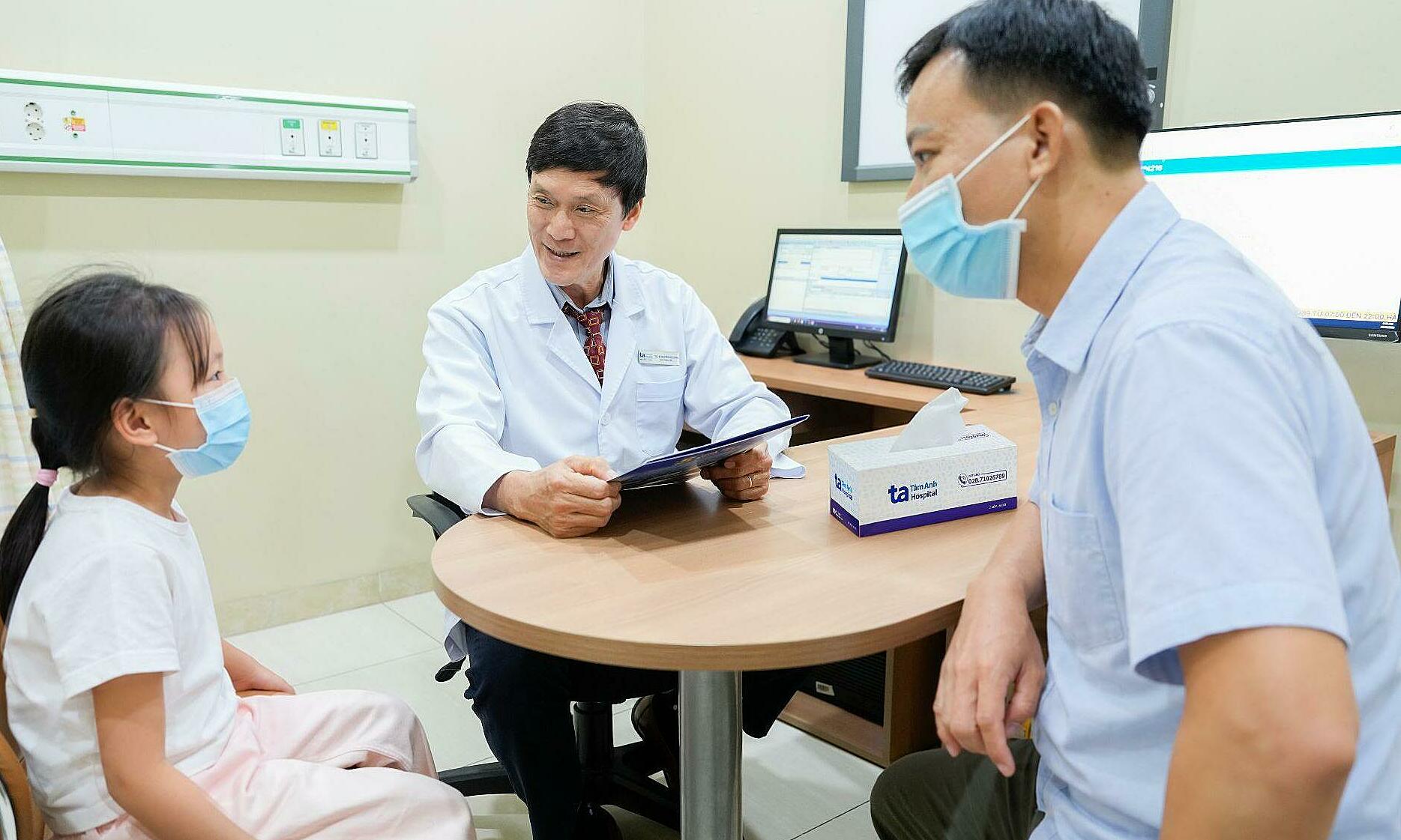
Master of Science, Doctor Phung Van Thao, from the Tam Anh General Hospital Hanoi's Cardiology Center, noted the patient's blood pressure at 240/140 mmHg. An echocardiogram revealed left ventricular hypertrophy and diastolic dysfunction. Blood tests showed elevated NT-proBNP levels, reaching 4,200 pg/mL, indicating acute heart failure. Doctors also found coronary artery damage, with several areas narrowed by 50-60%.
Hoai was diagnosed with heart failure with preserved ejection fraction, stemming from prolonged hypertension and co-occurring cardiovascular and metabolic conditions. Her heart showed structural and functional changes, with uncontrolled long-term hypertension being a significant contributing factor.
 |
Positron emission tomography combined with computed tomography (PET/CT) with a tracer confirmed a large retroperitoneal tumor. *Photo: Tam Anh General Hospital* |
Doctors suspected the patient's hypertension was secondary, caused by a specific disease or underlying condition, rather than primary hypertension resulting from a combination of factors like age, genetics, or diet. Consequently, additional endocrine screening tests were ordered.
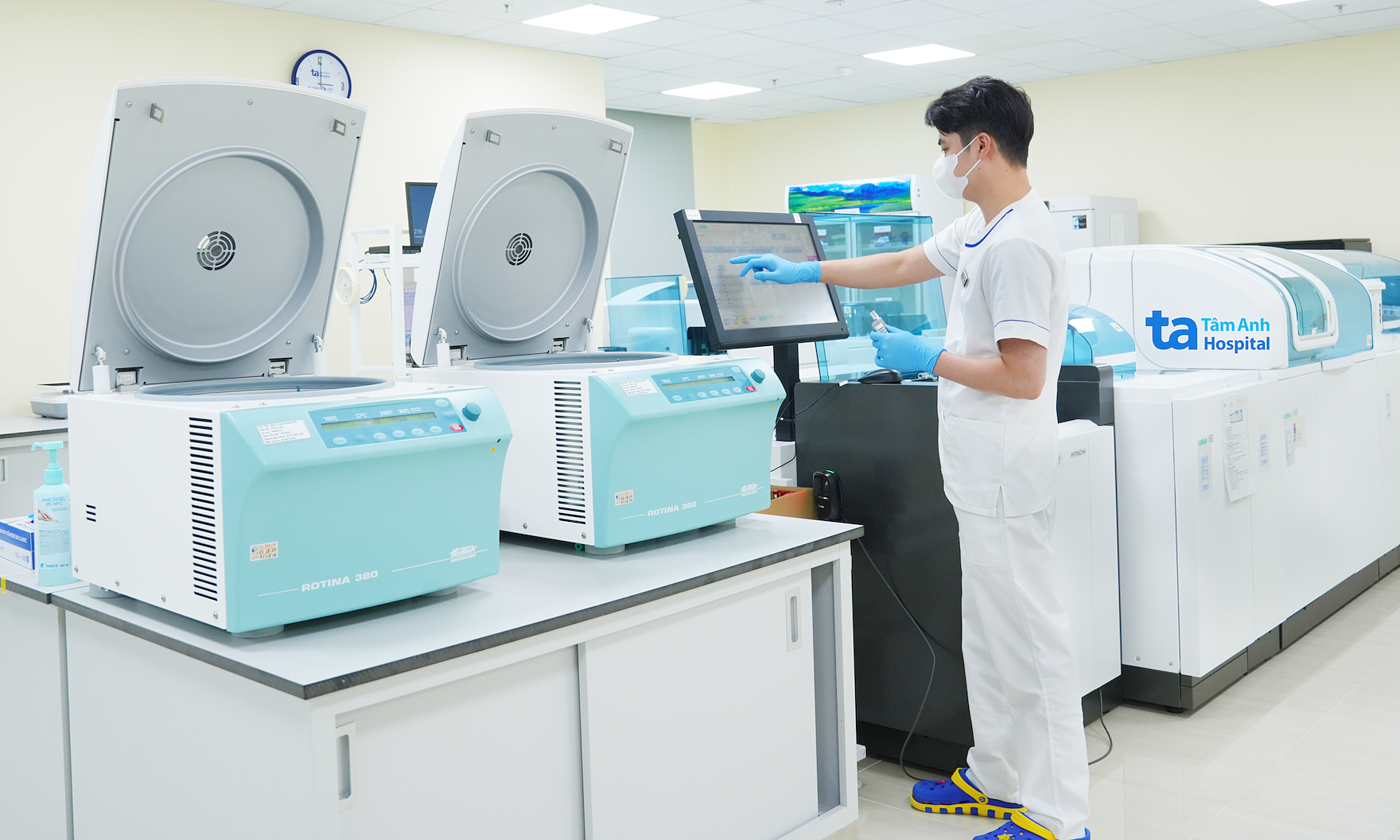
Endocrine test results revealed elevated catecholamine levels, primarily noradrenaline, reaching 8,663 pg/mL, exceeding the normal range. This indicated the body was overproducing hormones that constrict blood vessels, increase heart rate, and cause hypertensive crises. A positron emission tomography combined with computed tomography scan then identified a large retroperitoneal tumor adjacent to the abdominal aorta, with a central area suspected of necrosis.
Doctors recommended surgical removal of the tumor and blood pressure management. Pathological examination confirmed a paraganglioma, a type of neuroendocrine tumor that forms outside the adrenal glands and can develop along structures of the autonomic nervous system.
 |
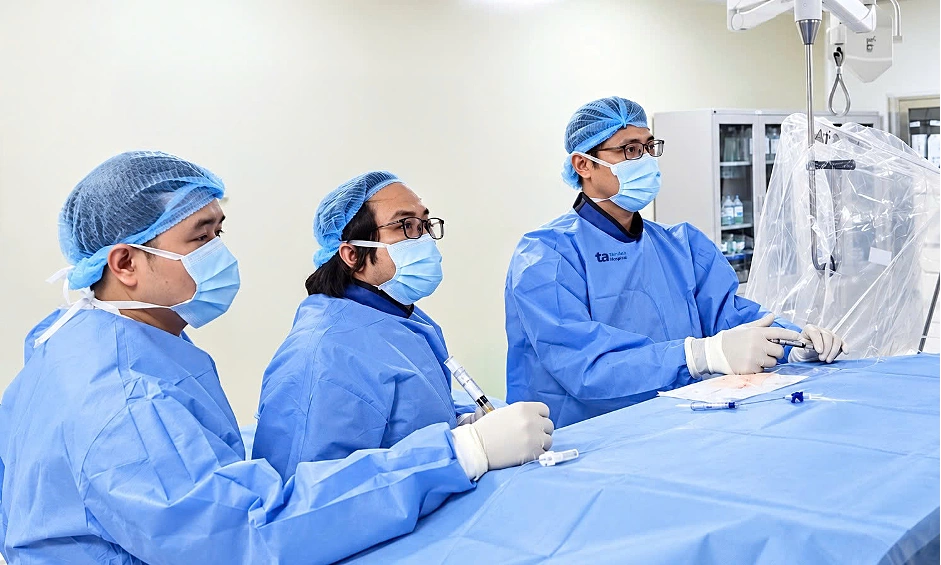
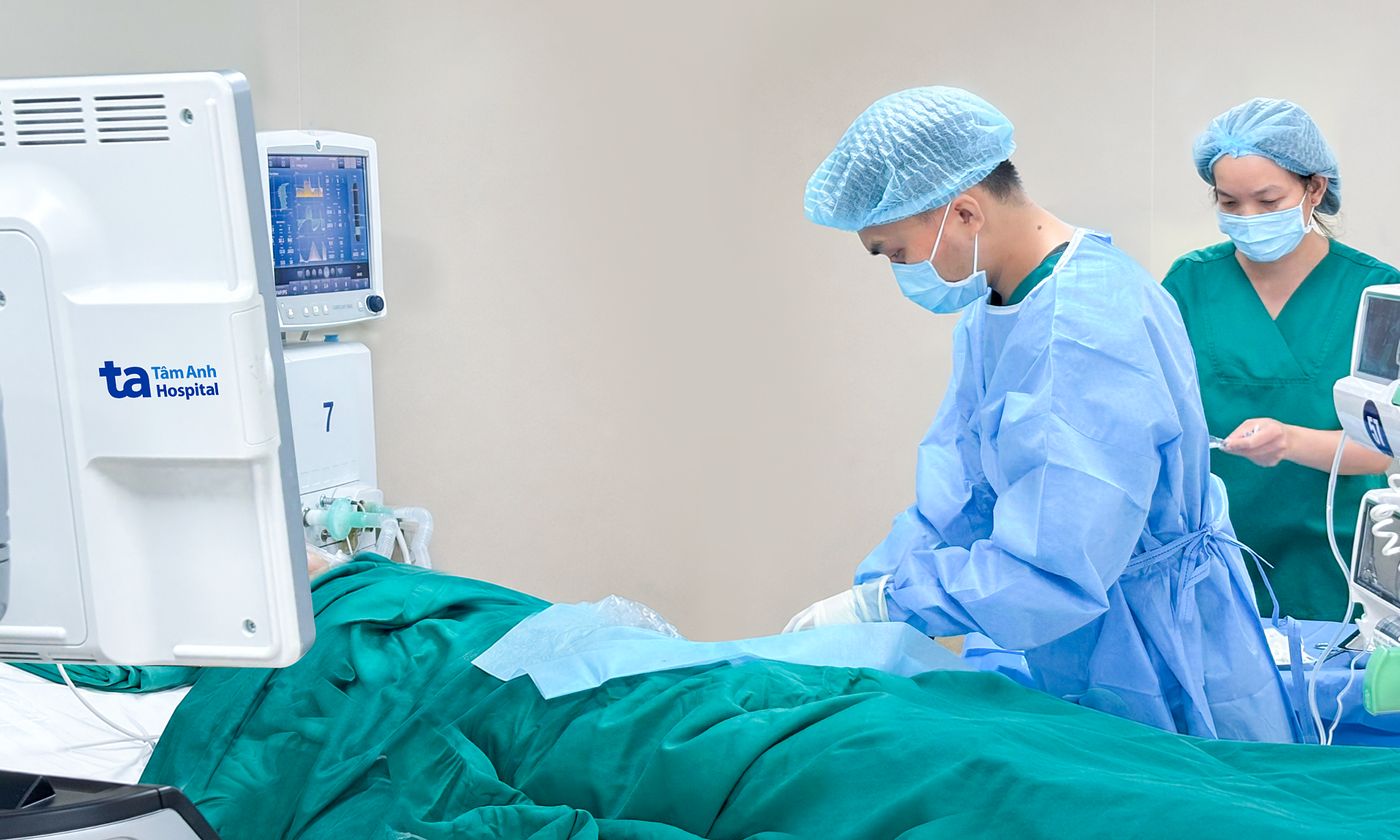
The surgical team removing the tumor from the patient. *Photo: Tam Anh General Hospital* |
Following surgery, the patient's hormone levels normalized, and blood pressure stabilized. She will continue to require medication and long-term cardiac monitoring.
According to Doctor Thao, most cases of primary hypertension typically require long-term blood pressure control medication. In contrast, with secondary hypertension, early detection and correct treatment of the underlying cause can normalize blood pressure. In Hoai's case, the prolonged catecholamine increase due to the paraganglioma caused structural and functional changes in her heart, including left ventricular hypertrophy, diastolic dysfunction, and heart failure.
Individuals with difficult-to-control hypertension, accompanied by headaches, palpitations, a pounding heart, sweating, and hand tremors, should be evaluated for potential secondary hypertension.
Ly Nguyen
*The patient's name has been changed.
| Readers can ask questions about cardiovascular disease here for doctors to answer. |