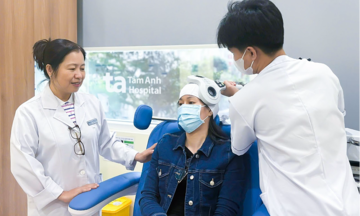
Doctor Doan Minh Thanh, from the Dermatology Department at Tam Anh General Hospital Hanoi, states that when the body experiences metabolic disorders, homeostatic imbalance, or exposure to harmful substances, the skin often shows the earliest signs. Alcohol's main component, ethanol, is a factor that rapidly accelerates skin aging, especially when consumed in large quantities and for extended periods during brief occasions like Tet.
Ethanol increases water excretion through the kidneys, causing dehydration. When dehydrated, the skin's stratum corneum becomes dry, loses elasticity, and wrinkles easily appear, particularly in thin-skinned areas such as the corners of the eyes, forehead, and around the mouth. Prolonged skin dehydration also slows down cell regeneration, making the skin appear less vibrant. Alcohol abuse also causes many harms to other organs including the liver, stomach, esophagus, pancreas, and brain.
After drinking alcohol, many people notice their faces flush and feel hot due to peripheral blood vessel dilation. If this phenomenon occurs frequently, capillaries become weak and fragile, forming small spider veins, especially around the nose and cheeks, which are difficult to recover from.
Ethanol in alcohol also increases oxidative stress, promoting skin aging. When ethanol is metabolized in the liver, the body produces many free radicals that attack skin cell structures, destroying collagen and elastin. These two proteins are crucial for skin firmness and elasticity. When collagen levels decline, the skin sags, deep wrinkles appear, and it loses its smooth, firm appearance.
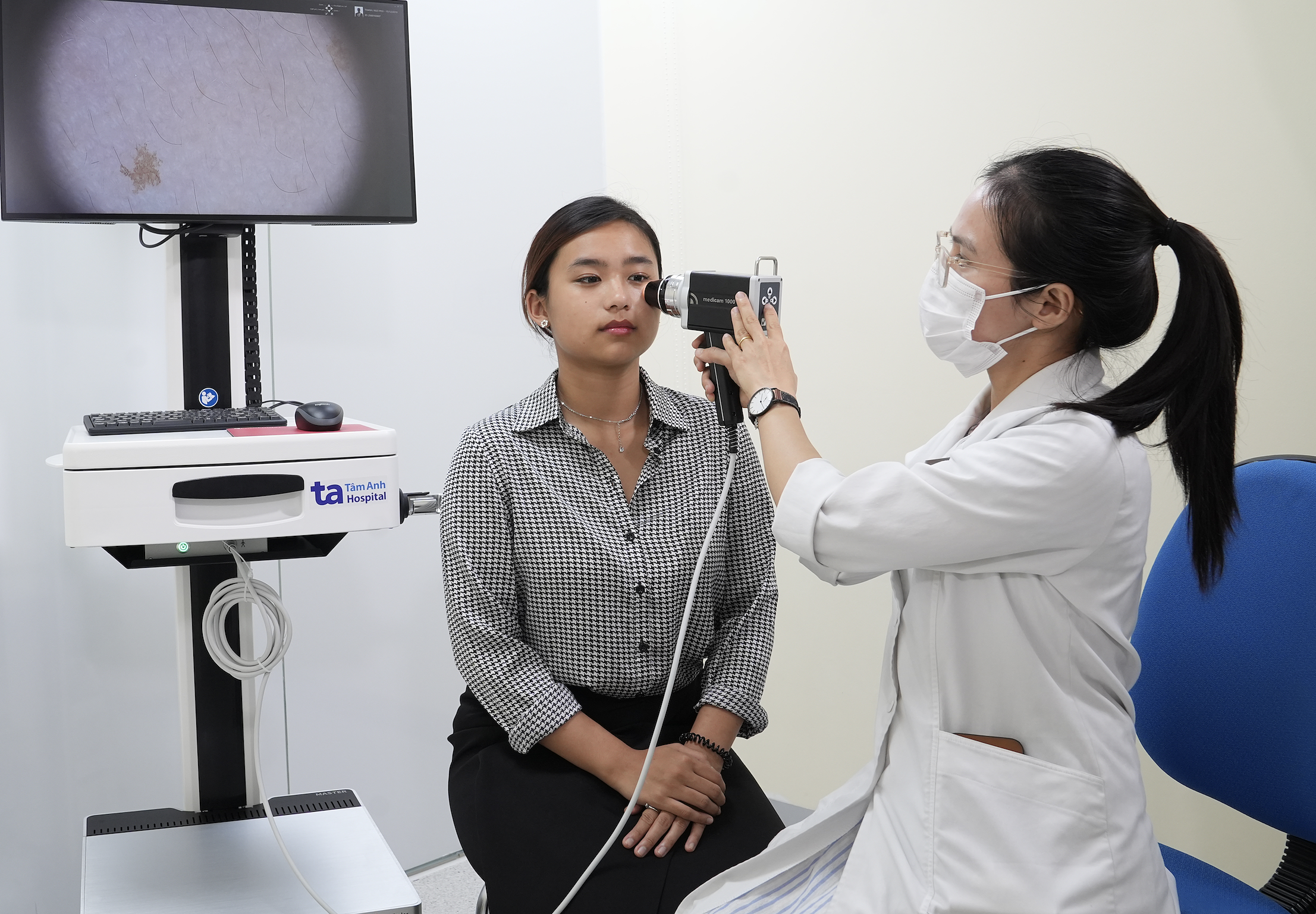 |
A dermatologist examines a woman. Photo: Tam Anh General Hospital |
According to Doctor Thanh, heavy alcohol consumption also disrupts the absorption and metabolism of essential micronutrients for the skin. Alcohol hinders the absorption of vitamins A, C, E, and minerals like zinc and selenium – substances that play antioxidant roles and support skin regeneration. Deficiencies in these micronutrients make the skin vulnerable to sun exposure, environmental pollution, and other aging factors.
The liver is the primary organ responsible for metabolizing alcohol and detoxifying the body. When the liver is overworked from excessive alcohol consumption, its detoxification function declines, and toxins and metabolic byproducts can accumulate in the blood, indirectly affecting the skin. The skin becomes dull, prone to acne, hyperpigmentation, and lacks vitality. This explains why many people notice duller skin and more breakouts after the Tet holiday, even with an unchanged skincare routine.
Alcohol can also exacerbate chronic skin conditions. For individuals prone to acne, seborrheic dermatitis, rosacea, or psoriasis, heavy drinking can trigger flare-ups or make the condition difficult to control. Alcohol stimulates the production of inflammatory cytokines, making the skin more sensitive and vulnerable.
Heavy alcohol consumption also reduces deep sleep quality. Lack of sleep or insufficient sleep increases cortisol hormone, accelerating skin aging, leading to dull skin, more prominent dark circles under the eyes, and reduced skin recovery capacity.
Tet holiday menus often feature high-fat, high-sugar, high-salt foods, with fewer green vegetables and fruits. When combined with alcohol, the metabolic burden on the body increases, making the risk of chronic inflammation and premature aging more pronounced. The skin not only ages quickly but also becomes prone to issues like puffiness, eye bags, and reduced firmness.
To limit the negative effects of alcohol on the skin during Tet, Doctor Thanh recommends controlling alcohol consumption to a reasonable level. Men should not consume more than two units of alcohol, and women no more than one unit per day, avoiding drinking on an empty stomach. Hydrate adequately, and eat plenty of green vegetables and fruits rich in vitamins C and E to support antioxidant defense and skin protection. Individuals with sensitive skin or chronic skin conditions should minimize alcohol consumption.
Thoroughly cleanse and moisturize the skin, and use sunscreen even when the sun is not intense during Tet.
Trinh Mai