During northern Tet celebrations, traditional dishes like banh chung, thit dong, gio thu, and nem ran lead to a high intake of protein, fat, and starch, with minimal vegetables and water. For office workers, who often have smaller stomachs and produce fewer digestive enzymes, this dietary shift can cause food to linger, generate gas, and lead to bloating and heartburn. Those with pre-existing stomach inflammation will distinctly feel the effects: a distended abdomen after a feast, difficulty sleeping at night, and a dry mouth upon waking.
Doctor Nguyen Huy Hoang, a member of the Vietnam Undersea and Hyperbaric Medical Association, stated that after several days of feasting, many people rush to digestive enzymes or supplements as a "lifeline." However, many cases involve incorrect or prolonged use, or self-increased dosages, which can worsen digestive disorders or mask underlying medical conditions.
Digestive enzymes typically contain enzymes such as amylase (which breaks down starch), protease (which breaks down protein), and lipase (which breaks down fat). Consuming excessive fatty meats or starches can mean these enzymes aid better food digestion, reducing stagnation and feelings of bloating or heaviness after meals. For effective use, take them about 30 minutes after a meal with warm water. Avoid consuming them with excessively hot or cold water, or strong tea.
You should not take them arbitrarily before meals as a habit, nor should you use them continuously for many days without a doctor's prescription. Theoretically, excessive reliance on external enzymes might lead to the body becoming "dependent," potentially affecting its natural enzyme secretion mechanism. Long-term misuse can also delay medical examinations, causing real illnesses to be overlooked.
You should only use these enzymes for a short period of a few days when experiencing significant indigestion due to overeating. If symptoms persist longer, a hospital check-up is necessary.
Individuals with chronic pancreatitis, gastritis, or stomach and duodenal ulcers must consult a doctor before use, as some enzyme types can stimulate gastric acid secretion, increasing discomfort.
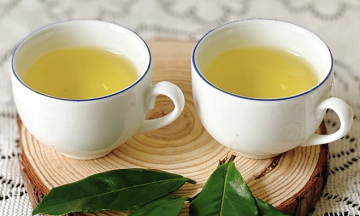
If you only feel mild bloating, you can opt for natural solutions such as ginger honey tea, diluted lemon honey water, or a few slices of fresh pineapple after meals. These foods contain natural enzymes that aid digestion more comfortably with less risk of psychological dependence on medication.
 |
Image: Freepik |
Tet is also a season when products advertised for "cleansing, detoxification, fat reduction, better sleep, and liver protection" proliferate. When choosing, prioritize products with clear origins, fully listed ingredients, specific dosages, stated uses, and verified stamps or labels according to regulations.
Avoid using too many types simultaneously, as the liver and kidneys must process each pill. The more you consume, the greater the filtering burden, while the benefits may not be proportional. Individuals with chronic diseases – especially diabetes, cardiovascular conditions, hypertension, high cholesterol, liver disease, or kidney disease – should consult their treating doctor before use.
During Tet, prioritize colorful vegetables prepared by boiling, steaming, stewing, slow-cooking, or air-frying. Limit overly sweet or starchy vegetables and fruits like pumpkin, jackfruit, and durian. Engaging in exercise, sports, herbal baths, or soaking in a tub can help improve energy, reduce drowsiness and caffeine cravings, and stimulate collagen production to combat aging.
Thuy An