Digestive disorders frequently occur when dietary intake is nutritionally imbalanced or eating habits are disrupted, especially during Tet.
Master of Science, Doctor Nguyen Anh Tung Duy, specializing in Nutrition and Dietetics at Tam Anh General Clinic District 7, stated that many high-calorie, low-fiber foods consumed during Tet increase pressure on the esophageal sphincter, leading to reflux. Individuals with irritable bowel syndrome and existing digestive disorders may experience worsened symptoms if they do not adhere to a scientific diet. Below are four food groups that should be limited:
Canned and processed foods
During Tet, many families habitually consume Vietnamese sausage (gio, cha), jam, or canned meat and fish. While convenient, these foods often contain numerous preservatives, saturated fats, salt, colorings, and chemicals that can easily inflame the stomach and intestinal lining.
When the body absorbs large quantities of these foods, conditions are created for harmful bacteria in the stomach to multiply. This simultaneously increases the risk of dehydration, high blood pressure, and elevated blood sugar. Consequently, conditions such as stomach ulcers, weakened immunity, or chronic diseases can worsen.
 |
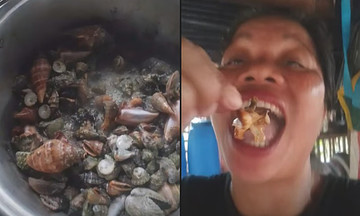
Consuming many starchy, oily dishes can cause digestive disorders. Photo: Bui Thuy |
Spicy, hot, and oily foods
Tet dishes are often prepared with many spices like garlic, chili, and pepper. Excessive consumption can irritate the stomach and esophageal lining, causing heartburn, abdominal pain, and indigestion. Capsaicin in chili also increases acid secretion in the stomach, aggravating the burning pain associated with stomach ulcers.
Festive Tet dishes like fried banh chung, caramelized pork and eggs (thit kho tau), fried spring rolls (nem ran), and spring rolls (cha gio) contain a lot of oil. Consuming large quantities of fried and stir-fried dishes overloads the stomach, leading to a heavy feeling and affecting digestion. An unbalanced diet, lacking essential fiber and micronutrients, exacerbates bloating and indigestion.
Alcohol, beer, and carbonated soft drinks
Alcohol, beer, and carbonated soft drinks are common at Tet parties. These beverages can reduce gastric fluid secretion and increase acid production, causing abdominal distension and bloating, which leads to indigestion. Esophageal sphincter function is also affected, leading to gastroesophageal reflux and heartburn. Excessive consumption of alcohol and soft drinks also increases the risk of diabetes, high blood pressure, and liver diseases.
Raw, undercooked, or rare foods
Raw or undercooked dishes pose a potential risk of worm, bacterial, or parasitic infections if not prepared and stored correctly. Consumers may experience digestive disorders such as abdominal pain, diarrhea, food poisoning, or infections.
Doctor Tung advises everyone not to skip meals, to maintain regular eating times, and to drink enough water daily. Eating smaller, more frequent meals helps prevent stomach overload, and thorough chewing allows enzymes in saliva to aid digestion. Prioritize simply prepared dishes like steamed, boiled, stewed, or stir-fried options that retain nutrients and are easy to digest. Older adults, obese individuals, and those with cardiovascular disease, high blood pressure, or diabetes should adhere to a moderate diet suited to their health conditions.
Increase the variety of fruits and vegetables in meals to supplement fiber, limiting fat absorption that causes overweight and digestive issues after the holiday. Everyone should maintain physical activity, exercising for at least 30 minutes a day. Light walking, cycling, or yoga can enhance blood circulation and stimulate intestinal peristalsis to improve digestion.
Quoc An
| Readers can submit nutrition questions here for doctor's answers |