Sleep is crucial for regulating the autonomic nervous system, blood pressure, and cerebral blood flow. When sleep is insufficient or restless for many consecutive days, the body enters a stressed state, increasing sympathetic nervous system activity, which raises heart rate and blood pressure.
Doctor Nguyen Phuong Trang, a specialist in Neurology at the Neuroscience Center, Tam Anh General Hospital in Ho Chi Minh City, states that during Tet, many people habitually stay up late, disrupting their routines. Prolonged sleep deprivation prevents blood pressure from decreasing at night as it normally would, leading to temporary and repetitive hypertension.
Short but continuous sleep deprivation also increases stress hormone levels, such as cortisol and adrenaline. These hormones cause vasoconstriction, increasing vascular resistance and reducing cerebral perfusion. If brain blood vessels are pre-damaged, this sudden change can trigger blood clots or rupture vessels, leading to ischemic or hemorrhagic stroke.
Tet sleep disturbances often coincide with irregular eating, high-salt intake, alcohol consumption, and reduced physical activity. These factors can quickly disrupt blood sugar, blood lipids, and blood pressure, contributing to atherosclerosis and increasing the risk of cerebral embolism. Elderly individuals or those with underlying conditions like hypertension, diabetes, atrial fibrillation, or heart failure, who experience insomnia for many consecutive days during Tet, may suffer significant blood pressure fluctuations and heart rhythm disorders, negatively impacting overall health, especially the brain and blood vessels.
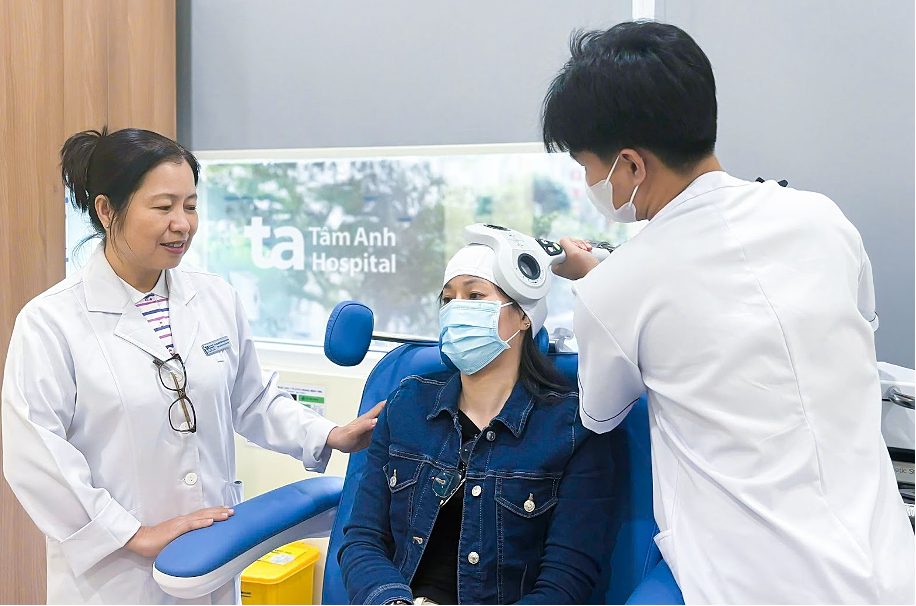 |
Patients with chronic insomnia can be treated with transcranial magnetic stimulation. Photo: *Tam Anh General Hospital*
According to doctor Trang, patients experiencing insomnia during Tet, accompanied by symptoms such as: headache, dizziness, palpitations, fatigue, and elevated blood pressure, should actively monitor their blood pressure and seek medical examination for diagnosis. Depending on the case, doctors may order blood pressure monitoring, heart rate assessment, or brain MRI and cerebral angiography to detect potential underlying brain vascular lesions early. Early detection helps reduce stroke risk and limits severe sequelae.
Doctors advise everyone to readjust their routines after Tet, avoid prolonged late nights, and limit alcohol and stimulants. If suspicious signs appear, such as: severe headache, prolonged dizziness, limb weakness, speech difficulty, or altered consciousness, patients should seek early neurological consultation to rule out stroke risk.
Trong Nghia
| Readers can submit questions about neurological diseases here for doctors to answer. |