Eng English
China 中国人

Eng English
China 中国人
  • News
  • World
  • Business
  • Entertainment
  • Sports
  • Law
  • Education
  • Health
  • Lifestyle
  • Travel
  • Science
  • Digital
  • Automobiles
  • Trở lại Thể thao
  • Health
Friday, 18/9/2026 | 00:05 GMT+7

What happens to blood sugar when you eat bananas?

Bananas contain natural sugars and carbohydrates, which can increase blood sugar after consumption, depending on ripeness, portion size, and accompanying foods.

Bananas are a popular fruit, providing fiber, potassium, vitamin B6, and several antioxidants. Due to their carbohydrate content, bananas can impact blood sugar levels after eating, though individual responses vary.

Blood sugar increases after eating bananas

The body breaks down carbohydrates in bananas into glucose, which then enters the bloodstream, causing blood sugar to rise. In healthy individuals, the pancreas secretes insulin, which helps transport glucose from the blood into cells for energy or storage.

A medium-sized banana (126 g) contains approximately 29 g of carbohydrates, including about 15 g of sugar and 3 g of fiber. Fiber slows down the digestion and absorption of carbohydrates, allowing blood sugar to rise more gradually compared to eating foods high in sugar but low in fiber.

According to Healthline, the glycemic index (GI) of bananas ranges from low to medium, approximately 31-62, depending on ripeness. Therefore, a rise in blood sugar after eating bananas is a normal response and does not mean this fruit is unsuitable for a blood sugar management diet.
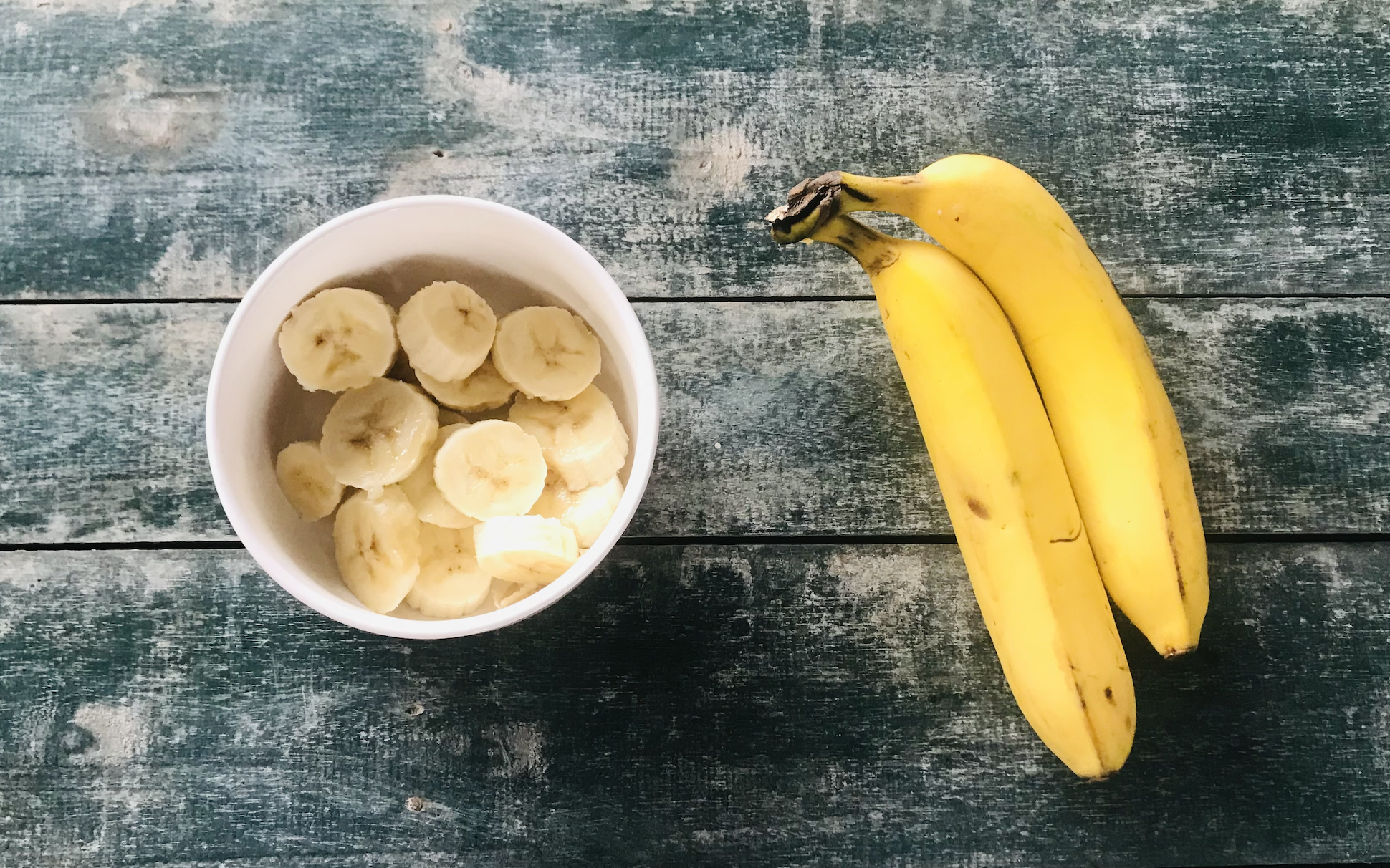
Ripening bananas can cause blood sugar to rise faster than green or moderately ripe ones. Photo: Bao Bao

Ripening bananas can cause blood sugar to rise faster than green or moderately ripe ones. Photo: Bao Bao

Riper bananas increase blood sugar faster

Ripeness affects the carbohydrate composition of bananas. When green, the fruit contains more resistant starch, a type of carbohydrate that is difficult to digest in the small intestine and has properties similar to fiber. As bananas ripen, some starch converts into simple sugars, increasing sweetness.

Consequently, very ripe bananas can cause blood sugar to rise faster than green or moderately ripe ones. However, this does not mean individuals managing blood sugar cannot eat ripe bananas. For those monitoring blood sugar, choosing slightly green or moderately ripe bananas can help reduce the amount of rapidly absorbed sugar per serving.

Fruit size also determines blood sugar increase

Beyond ripeness, the amount of banana consumed also impacts blood sugar. A larger fruit contains more carbohydrates, potentially leading to a greater blood sugar increase than a smaller one.

The glycemic index (GI) reflects how much carbohydrate-containing foods raise blood sugar. In contrast, glycemic load (GL) considers both GI and the amount of carbohydrates in a serving, providing a more accurate reflection of a real-world serving's impact.

Eatingwell states that a small or medium banana eaten with a balanced meal will have a different effect than a large banana eaten alone. Therefore, one should not rely solely on a banana's GI to conclude whether it significantly raises blood sugar. Individuals needing to manage blood sugar can prioritize moderate portions instead of eating many bananas at once.

Eating bananas with protein and beneficial fats

Food combinations also influence blood sugar response. Eating bananas with protein-rich foods, healthy fats, or fiber can slow the digestion and absorption of carbohydrates. For example, you can pair bananas with plain yogurt, a handful of nuts, or peanut butter. This approach adds protein and fats to the meal, rather than just carbohydrates from the fruit.

It is not necessary to eat bananas alone as a dessert. You can slice a portion of banana into oatmeal, plain yogurt, or combine it with nuts for a more balanced meal.

Individuals with diabetes can still eat bananas if the carbohydrate content from the fruit aligns with their total meal plan and blood sugar management goals. Bananas still provide fiber, potassium, and vitamin B6, reducing the risk of deficiencies.

Bao Bao (Compiled)
By VnExpress: https://vnexpress.net/dieu-gi-xay-ra-voi-duong-huyet-khi-ban-an-chuoi-5121379.html
Tags: banana blood sugar diabetes

News in the same category

How to drink water effectively for people with high uric acid

How to drink water effectively for people with high uric acid

Drinking about 2 liters of water daily, spread throughout the day, and prioritizing plain water helps the body excrete uric acid.

What to do after sex with someone who has hepatitis B?

What to do after sex with someone who has hepatitis B?

After the wedding night, my new wife disclosed she has hepatitis B. I was vaccinated as a child, so am I at risk of infection and what should I do? (Thai Phong, 29 years old)

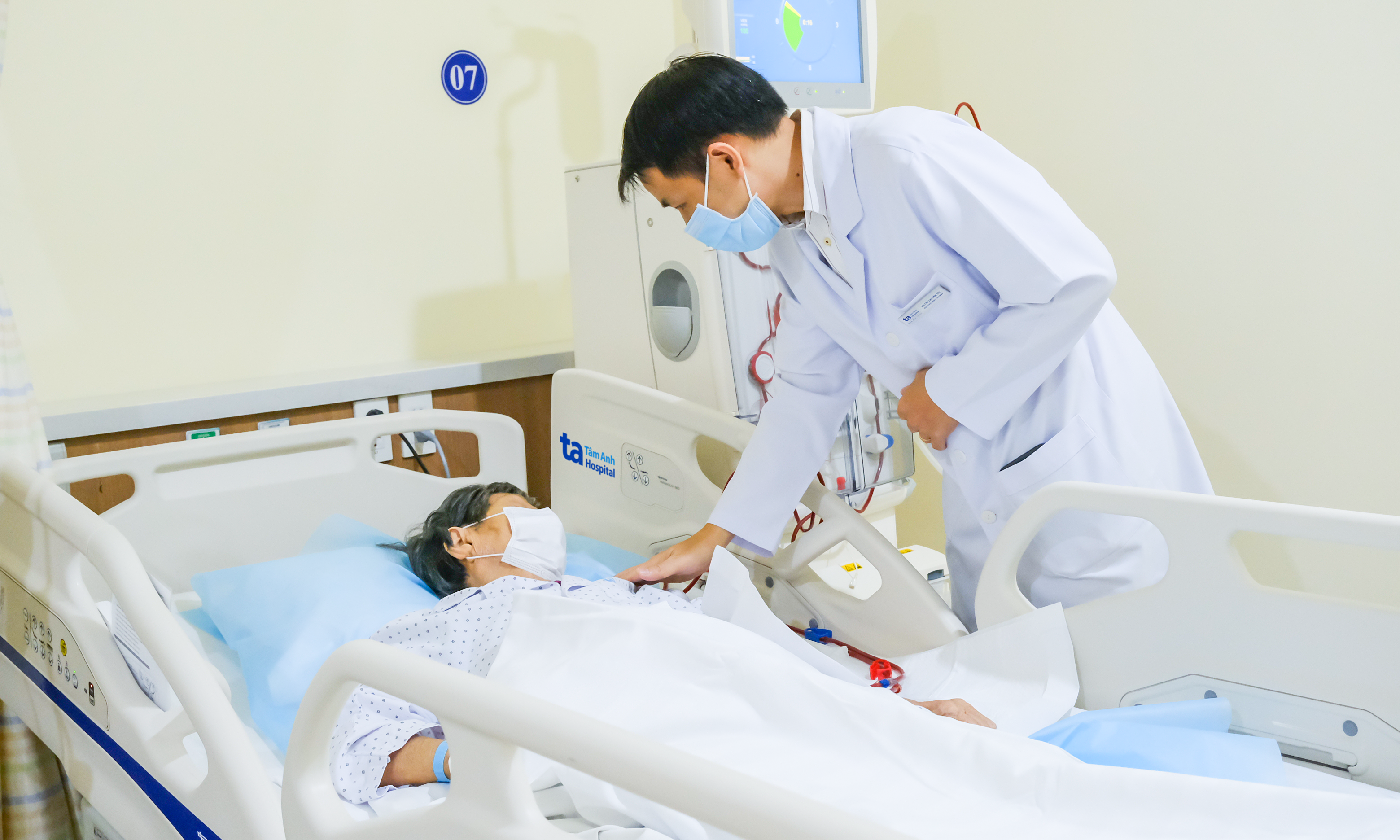
Why hemodialysis patients are prone to anemia?

Why hemodialysis patients are prone to anemia?

Hemodialysis patients face a risk of anemia due to reduced red blood cell production hormone, blood loss during treatment, and iron deficiency.

Immunity gap leaves adolescents vulnerable to meningococcal disease

Immunity gap leaves adolescents vulnerable to meningococcal disease

Many young, healthy individuals still contract and experience severe complications from meningococcal disease, experts warn of the need to close immunity gaps and maintain protection through life-course prevention measures.

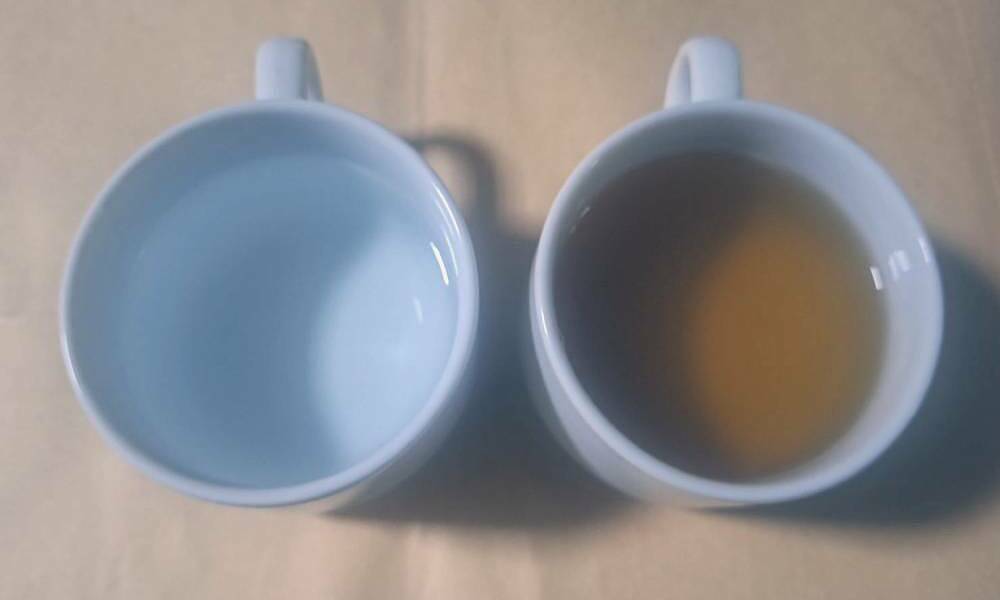
Acute kidney failure from decades of drinking strong tea instead of water

Acute kidney failure from decades of drinking strong tea instead of water

TAIWAN - A 60-year-old man's decades-long habit of drinking strong tea instead of plain water led to his kidneys becoming filled with calcium oxalate stones, resulting in acute kidney injury.

Transforming traditional medicine into a 'specialty' to attract tourists to Ho Chi Minh City

Transforming traditional medicine into a 'specialty' to attract tourists to Ho Chi Minh City

Experiences like pulse diagnosis, acupressure, herbal foot soaks, acupuncture, or enjoying medicinal cuisine in a Southern Vietnamese setting create additional healthcare tourism products for Ho Chi Minh City.

Why are women prone to calcium, vitamin D deficiency?

Why are women prone to calcium, vitamin D deficiency?

Women are susceptible to vitamin D and calcium deficiencies due to changing nutritional needs at different life stages, hormonal imbalances, and unbalanced diets.

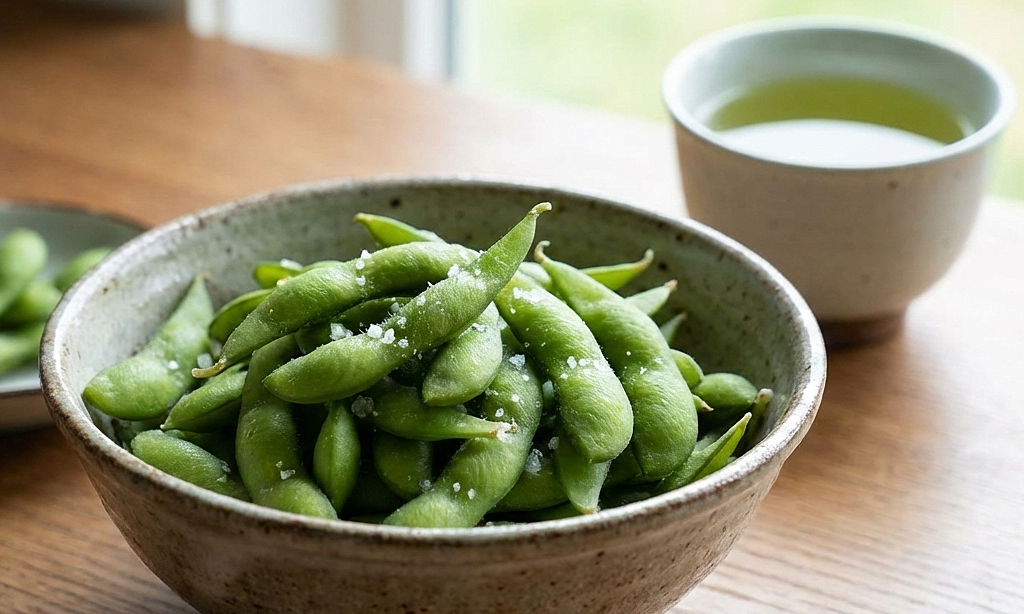
Four snacks to help curb hunger

Four snacks to help curb hunger

Boiled soybeans, yogurt with berries combine protein, fiber, and healthy fats, promoting lasting fullness between meals and limiting blood sugar fluctuations.

Hoang Mai medical center evacuates patients, maintains normal operations during floods

Hoang Mai medical center evacuates patients, maintains normal operations during floods

Hoang Mai Medical Center has been deeply flooded for two days, requiring patients, belongings, and equipment to be evacuated to the second floor, even as about 50 emergency patients were admitted.

Infant in critical condition, airway perforated after family mistakenly administers acid

Infant in critical condition, airway perforated after family mistakenly administers acid

Mistaking an 80% trichloroacetic acid bottle for a vitamin dropper, family members administered five drops into the mouth of a one-month-old infant, causing severe airway burns and requiring emergency mechanical ventilation.

Eng English
China 中国人
  • News
  • World
  • Business
  • Entertainment
  • Sports
  • Law
  • Education
  • Health
  • Lifestyle
  • Travel
  • Science
  • Digital
  • Automobiles
FPT Tower, 10 Pham Van Bach Street, Dich Vong Ward,
Cau Giay District, Hanoi, Vietnam
Email: contacts@vnportal.net
Tel: 028 7300 9999 - Ext 8556
Advertise with us: 090 293 9644
Register
© Copyright 2026 vnnow.net. All rights reserved.
Terms of use Privacy policy Cookies