Drink water consistently instead of waiting until you are thirsty
According to the Times of India, uric acid forms when the body breaks down purines, a compound found in cells and many foods. The kidneys then filter most of the uric acid from the blood, excreting it through urine.
When the body is dehydrated, reduced urine volume allows uric acid to become more concentrated. This can increase the risk of urate crystal accumulation, leading to gout or contributing to kidney stone formation. Therefore, maintaining adequate hydration helps facilitate the excretion of uric acid.
Individuals with high uric acid should develop a habit of drinking water regularly from morning to evening. You should not wait until you are thirsty to drink, as thirst often appears when the body has already begun to lack water. The body can only process a certain amount of water within a given period; drinking too much in a short time can dilute sodium in the blood, causing headaches and nausea.
 |
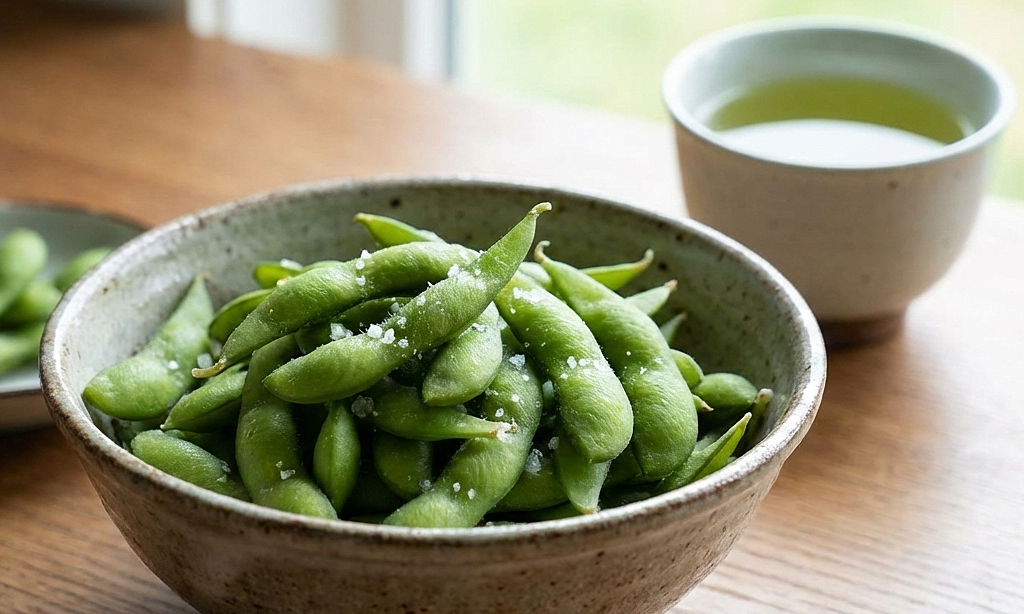
Drinking water correctly helps control uric acid. Photo: Anh Ngoc
Drink about 2 liters of water daily
Adequate water intake helps sustain life, regulate body temperature, transport nutrients, and eliminate toxins from the body. Healthy adults should consume about 2 liters of water daily, including drinking water and water content from food. Needs may vary depending on weather, activity level, weight, and health status.
You should avoid drinking large amounts of water close to bedtime, as this increases the need for nighttime urination, disrupting sleep, especially in older adults. People with kidney disease, heart failure, or those advised by a doctor to restrict fluids should not independently adopt a high-water intake regimen.
Prioritize plain water over sugary drinks
Plain water should be the primary choice for hydration. According to Verywell Health, individuals with high uric acid should limit soft drinks and other sugary beverages, as high fructose content can increase uric acid levels. Alcohol should be restricted because it elevates uric acid concentration in the blood, hindering its excretion by the kidneys. Regular consumption of alcoholic beverages can also increase the risk of acute gout attacks.
Beyond adequate hydration, controlling uric acid requires a combination of appropriate diet and lifestyle. Limit foods rich in purines such as organ meats, certain seafood, and red meat. Regular physical activity also helps manage weight and supports metabolic health. In cases of diagnosed gout or persistently elevated uric acid, patients should take medication as directed, without arbitrarily stopping or changing doses.
By Le Nguyen (Compiled)