0-one year old
According to Healthline, the first year of life is a period of rapid growth for children. Healthy, full-term babies can grow about 25 cm in their first year, though the growth rate varies monthly. This is a time of strong development in both length and weight.
Parents should monitor growth regularly, recording results rather than focusing on a single measurement. If a child's growth slows significantly or shows unusual changes compared to previous measurements, parents should consult a doctor.
One-three years old
After their first birthday, the rate of height gain begins to slow, averaging about 10-12 cm per year. During the one-three year stage, bones and muscles continue to develop, and physical stature changes noticeably. Children gradually eat a more diverse diet, become more active, starting to walk, run, climb, and explore their surroundings. A nutritious diet, adequate sleep, and regular physical activity create conditions for children's physical development.
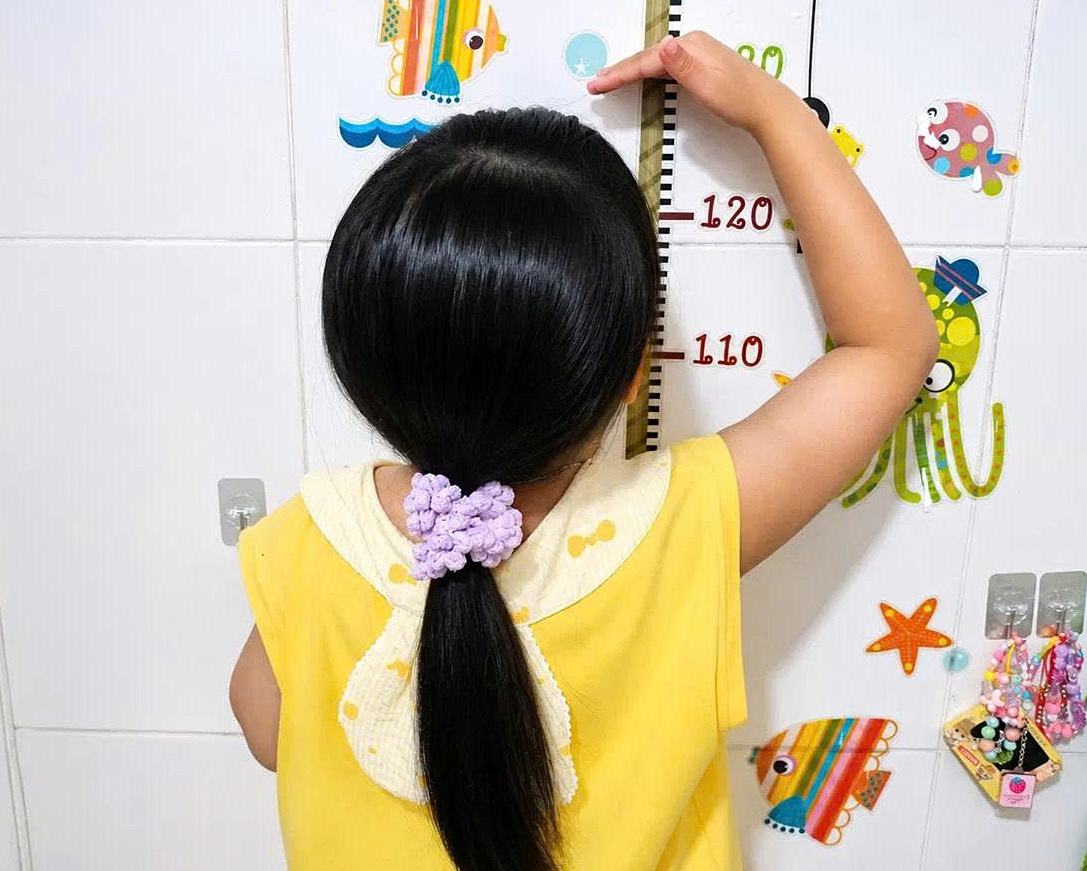 |
Parents should regularly monitor their child's height. Photo: Kim Uyen |
Three years old to pre-puberty
From about three years old until puberty, the rate of height gain is generally slower than in the early years but relatively stable. Children typically grow about 5-8 cm per year, with the rate varying for each child.
This is an opportune stage to establish growth-promoting habits such as a balanced diet, sufficient sleep, and regular physical activity. Children also need to maintain an appropriate weight, as both under- and over-nutrition can impact health and development.
Puberty
Signs of puberty typically begin in girls aged 8-13 and boys aged 9-14. During this stage, children enter a period of rapid height growth. At peak growth, girls can grow about 10-12 cm per year, and boys 12-15 cm. Afterward, height gain slows as puberty concludes and bone growth plates gradually close, according to Times of India.
For optimal height development, parents should ensure a diverse diet with sufficient energy and protein, along with essential bone nutrients like calcium, vitamin D, and zinc. Children need adequate sleep, and screen time before bed should be limited. Parents should encourage outdoor activities to help the body synthesize vitamin D. Additionally, regular height measurements assist in monitoring a child's growth rate.
Le Nguyen (Compiled)
| Readers can submit questions about childhood illnesses here for doctor's answers |