Xuan Quy, 36, recently received an unexpected diagnosis of angle-closure glaucoma, a condition also affecting his father. This discovery was made during a routine eye examination at the High-Tech Eye Center, part of Tam Anh General Hospital. Associate Professor, Doctor Bui Thi Van Anh, Head of the Phaco and Anterior Segment Department at the center, highlighted the silent progression of glaucoma, often making initial symptoms difficult to recognize. Glaucoma is a leading cause of irreversible vision loss globally.
Doctor Van Anh explained that Mr. Quy's anterior chamber angle—the area where aqueous humor drains from the eyeball—was critically shallow, measuring only about 1 mm in both eyes. This is significantly less than the normal range of 2,5-3,5 mm. This anatomical condition obstructs the proper drainage of aqueous humor, leading to an increase in intraocular pressure and subsequent damage to the optic nerve, characteristic of angle-closure glaucoma.
To address this, Mr. Quy underwent a peripheral iridotomy in both eyes. This laser procedure creates a small opening in the peripheral iris, establishing a new pathway for aqueous humor to flow. This effectively reduces pupil block and mitigates the risk of the anterior chamber angle closing further. Early intervention, prior to any significant visual field impairment, aims to preserve his existing visual function and prevent the disease from advancing.
Given the risk of angle closure recurrence, Mr. Quy will require consistent, regular follow-up care. During these examinations, doctors will diligently monitor his intraocular pressure, anterior chamber angle, optic nerve head, and visual field. This comprehensive assessment allows for early detection of any changes and ensures timely adjustments to his treatment plan. The frequency of these follow-up visits will be tailored to his specific condition and how he responds to the treatment.
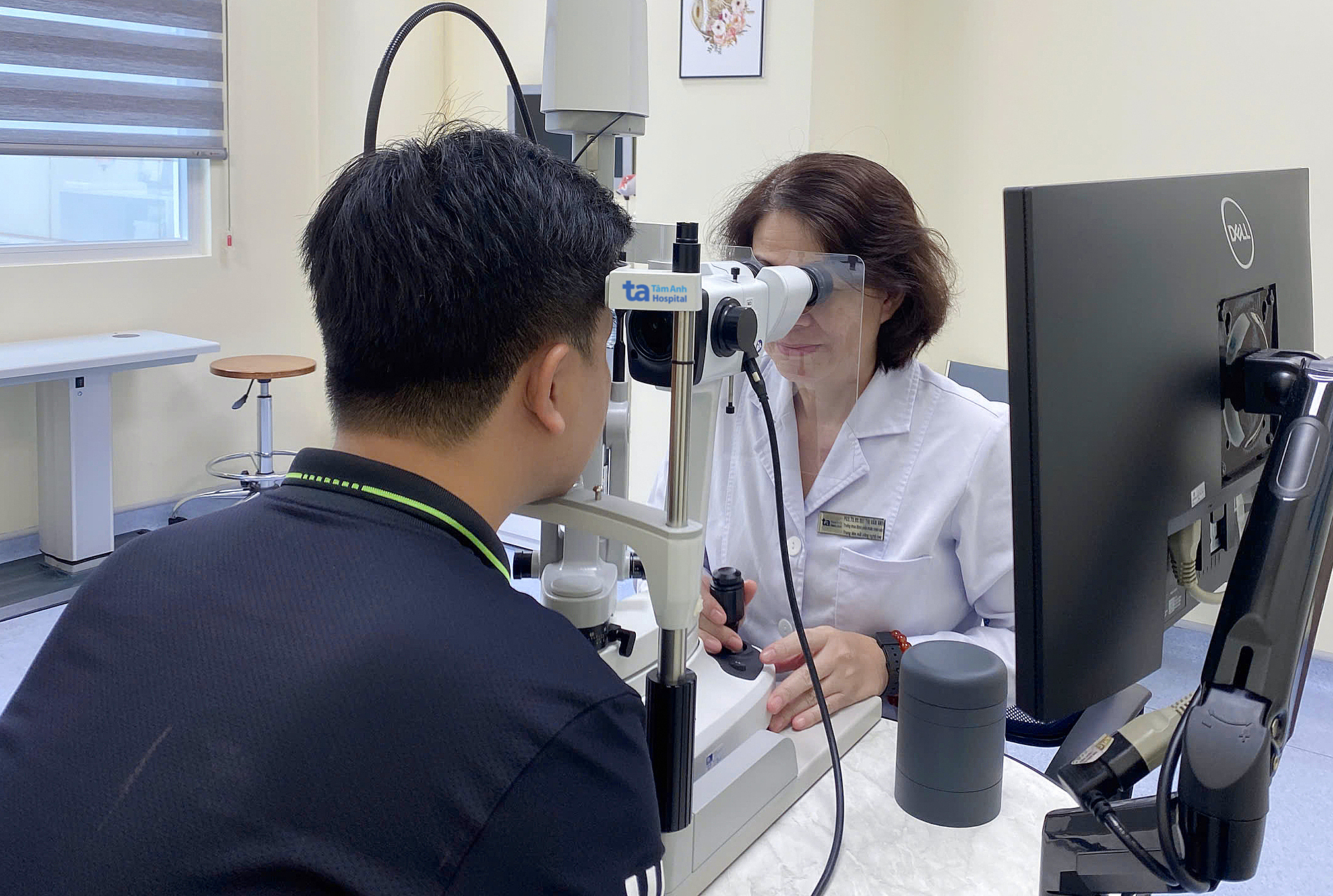 |
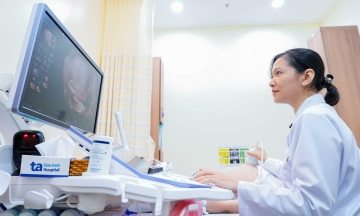
Doctor Van Anh examines a patient's eyes. *Photo: Tam Anh General Hospital* |
Doctor Van Anh emphasized that glaucoma cannot be fully cured. Current treatment approaches, including medication, laser therapy, or surgery, focus primarily on controlling intraocular pressure. The goal is to minimize the risk of further damage and protect the patient's remaining vision.
Doctors strongly advise individuals with a family history of glaucoma to undergo regular eye examinations, even in the absence of symptoms. For those already diagnosed, strict adherence to the prescribed treatment regimen and follow-up schedule is crucial; patients should never discontinue medication without medical consultation. Immediate medical attention at a specialized ophthalmology facility is necessary if symptoms such as sudden eye pain, blurred vision, eye redness, headache, nausea, or vomiting occur. Prompt intervention can significantly limit the risk of rapid and permanent vision damage.
Thu Giang
| Readers can send questions about ophthalmological diseases here for doctors to answer. |