Early detection of high blood pressure is a key benefit of home monitoring. According to Times of India, hypertension often has no clear symptoms, meaning individuals may feel well despite elevated blood pressure. Regular home measurements help record readings at various times, offering insights into potential issues. However, a diagnosis of hypertension requires multiple measurements or specific monitoring methods as directed by a doctor.
Home monitoring also helps distinguish between readings taken at home and in a clinic. Blood pressure can fluctuate based on environment and circumstances. Some individuals experience high blood pressure in a clinical setting – often called "white coat hypertension" – but have normal readings at home. Home monitoring provides doctors with additional data to assess blood pressure during daily activities, offering a more accurate picture.
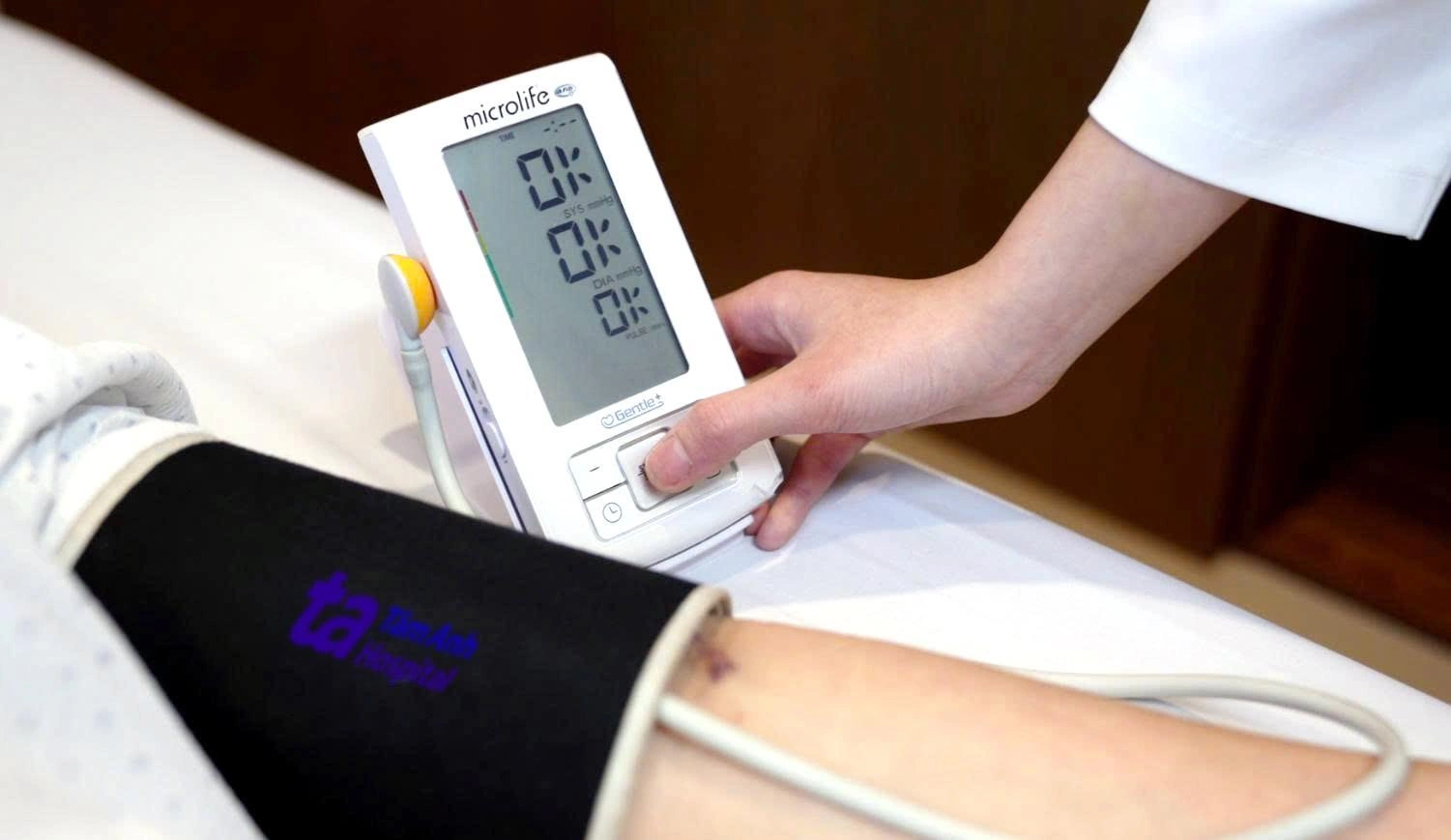 |
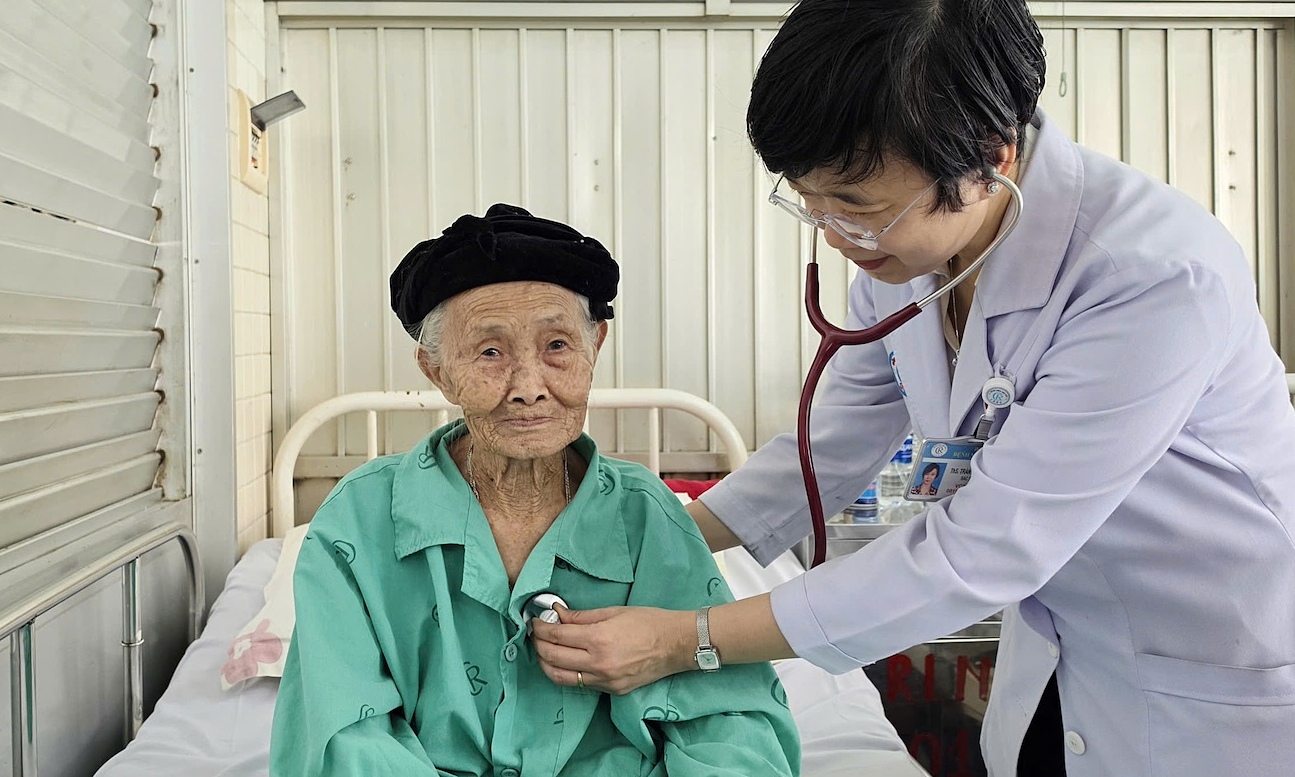
Home blood pressure monitoring is a useful way to track readings in daily life. Photo: Tam Anh General Hospital.
Home monitoring is also crucial for evaluating treatment effectiveness. Tracking blood pressure over several days helps identify how levels change at different times; some individuals may have higher readings in the morning, while for others, readings may increase after stress or lack of sleep. For those diagnosed with hypertension, home monitoring provides additional data on blood pressure during treatment. This is especially useful when starting or adjusting medication, helping doctors track readings over time and assess treatment response. However, patients should not independently adjust or discontinue medication based on a few readings, according to Verywell Health.
Monitoring blood pressure during lifestyle changes can provide valuable insights. Blood pressure can rise or fall with insufficient sleep, stress, or increased physical activity. Regular monitoring helps identify factors affecting blood pressure and provides data on readings over time.
For accurate readings, follow these guidelines:
- Before measuring, rest for about 5 minutes, avoid exercise, and refrain from smoking, coffee, or alcohol for 30 minutes.
- During measurement, sit with your back supported, feet flat on the floor, uncrossed.
- Keep your arm at heart level.
- Ensure the cuff is the correct size and wrapped directly on the skin of your upper arm.
- Remain still and avoid talking during the measurement.
- Take two readings, each approximately one minute apart.
To maintain stable blood pressure, prioritize green vegetables, fruits, whole grains, and potassium-rich foods. Additionally, limit salt and processed foods. Regular exercise, maintaining a healthy weight, and adequate sleep also benefit cardiovascular health. Smokers should quit, reduce alcohol consumption, and dedicate time to relaxation to lower stress.
Le Nguyen (Compiled)
| Readers can submit questions about cardiovascular disease here for doctors to answer. |