Eating dinner late can disrupt the body's biological clock. Metabolic hormones, such as insulin, play a crucial role in glucose processing and weight control by regulating appetite and food intake.
The habit of eating dinner late also affects the production of hormones and neurotransmitters related to sleep, hunger, and mood. When the circadian rhythm is disturbed, the body processes food less efficiently and struggles to regulate feelings of fullness and hunger. Eating dinner approximately two to three hours before bedtime helps the body digest properly and maintain a healthy weight.
Consuming large portions can lead to excessive calorie intake. Dinners high in refined carbohydrates, such as white bread, can also cause blood sugar spikes, making it easier for the body to store fat.
Balance meals with vegetables, healthy fats, and protein. Eating while watching television or browsing on a phone can lead to consuming more food. Control portion sizes, focus while eating, and avoid overeating to support weight loss and maintain a healthy physique.
Protein transports nutrients, creates enzymes and hormones to regulate bodily functions, strengthens the immune system, promotes muscle growth, and aids in wound recovery. A dinner lacking protein can leave the body feeling hungry, which often leads to unhealthy snacking. Incorporating lean protein sources like chicken, tofu, or fish into dinner can increase feelings of fullness, according to Times of India.
The body's protein requirements depend on weight, age, and physical activity level. On average, healthy adults need about 0,8-1,3 g of protein per kilogram of body weight daily. Individuals who exercise regularly or engage in high-intensity sports may require more protein.
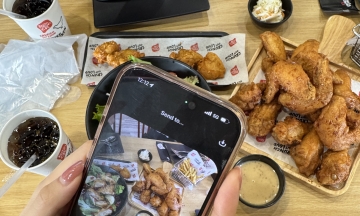
Fried foods and fast food typically contain high amounts of fat and calories, making them harder to digest. Prioritize boiled, steamed, or grilled dishes to limit energy intake. A lack of vegetables in the diet can prevent the body from receiving essential nutrients like fiber, which supports digestion and promotes lasting fullness.
Soft drinks, sweet tea, and fruit juices can add unnecessary sugar and calories to dinner. Opt for water, herbal tea, or other low-calorie beverages.
Excessive sugar consumption can lead to the accumulation of excess fat, contribute to high blood pressure by affecting blood vessels, and increase the risk of heart attack and stroke. Surplus sugar, especially fructose, is metabolized by the liver into fat, and excessive intake can result in fat accumulation in the liver.
Le Nguyen (compiled)
| Readers can send nutrition questions here for doctors to answer. |