Hidden acne refers to lesions concealed within hair follicles, often difficult to detect. If not properly cared for, hidden acne can easily develop into other inflammatory forms of acne. Master, Doctor Nguyen Anh Duy Tung, a specialist in Nutrition and Dietetics at Tam Anh General Clinic, District 7, states that a scientific diet helps regulate sebaceous gland activity and supports acne control. Everyone should build a balanced diet with the five food groups below:
Zinc-rich foods
Zinc participates in immune activity, boosting the body's resistance and controlling inflammatory responses. Adequate zinc supplementation contributes to balancing the skin's microbiome, controlling acne-causing bacteria, and repairing damage caused by acne. Individuals with hidden acne should prioritize beef, oysters, almonds, and pumpkin seeds in their daily diet to supply this mineral.
Omega-3 containing foods
Omega-3 is a group of unsaturated fatty acids, comprising three main types: alpha-linolenic acid (ALA), eicosapentaenoic acid (EPA), and docosahexaenoic acid (DHA). These fatty acids are beneficial for health with anti-inflammatory effects, contributing to skin health.
According to Doctor Duy Tung, supplementing with omega-3 can control hidden acne by reducing inflammation and supporting hormone balance in the body. Everyone should eat salmon, tuna, mackerel, along with various nuts and beans.
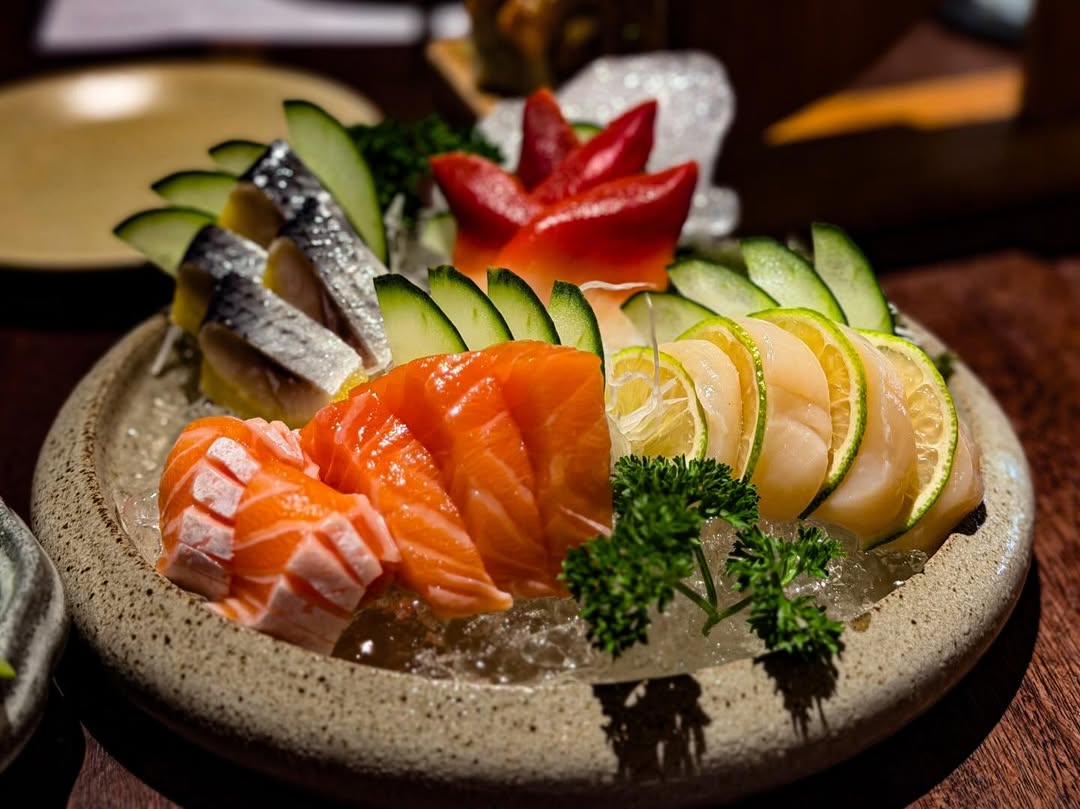 |
Salmon is one of the omega-3 rich foods, with anti-inflammatory benefits and skin health enhancement. *Quoc An* |
Foods with beneficial bacteria
When the digestive system functions well due to sufficient beneficial bacteria (probiotics), the body easily eliminates toxins, making the skin smooth. Yogurt, digestive enzymes, tempeh, miso, kombucha... support gut microbiome balance, reduce inflammation, and promote skin regeneration. Probiotics also stimulate the production of healthy fatty acids like ceramide and inhibit the growth of acne-causing bacteria propionibacterium acnes.
Antioxidant foods
Whole grains, macadamia nuts, broccoli, tomatoes, dark chocolate, green tea, grapes, strawberries, blueberries... contain abundant antioxidants that help neutralize free radicals (ROS) to limit cell damage. Supplementing these foods can boost immune system health, control dermatitis, improve acne, and slow down the aging process.
Vitamin-rich foods
Vitamin A group, found in carrots, sweet potatoes, pumpkins, and bell peppers, can strengthen the skin's protective barrier and regulate sebaceous gland activity. Vitamin B group from various beans, eggs, salmon, and green vegetables supports hormone balance and controls acne.
Vitamin C-rich foods like tomatoes, guavas, and citrus fruits contribute to anti-inflammation, stimulate collagen production, support skin regeneration, and increase antibacterial capacity. Vitamin E is a powerful antioxidant found in spinach, avocados, peanuts, and almonds, helping to boost the immune system and maintain healthy skin.
Doctor Tung recommends limiting sweets, fried foods, alcohol, and coffee. He also advises dividing meals into smaller portions to reduce digestive pressure, support metabolism, and improve sleep. Besides nutrition, proper skin hygiene is necessary: remove makeup and wash your face before sleeping, and limit exposure to sunlight, pollution, and dirt. Getting enough sleep, reducing stress, and maintaining physical activity are also important for hormone stability. Individuals with persistent or recurring acne should seek medical examination and not self-medicate.
Quoc An
| Readers can send questions about nutrition here for the doctor to answer |