 |
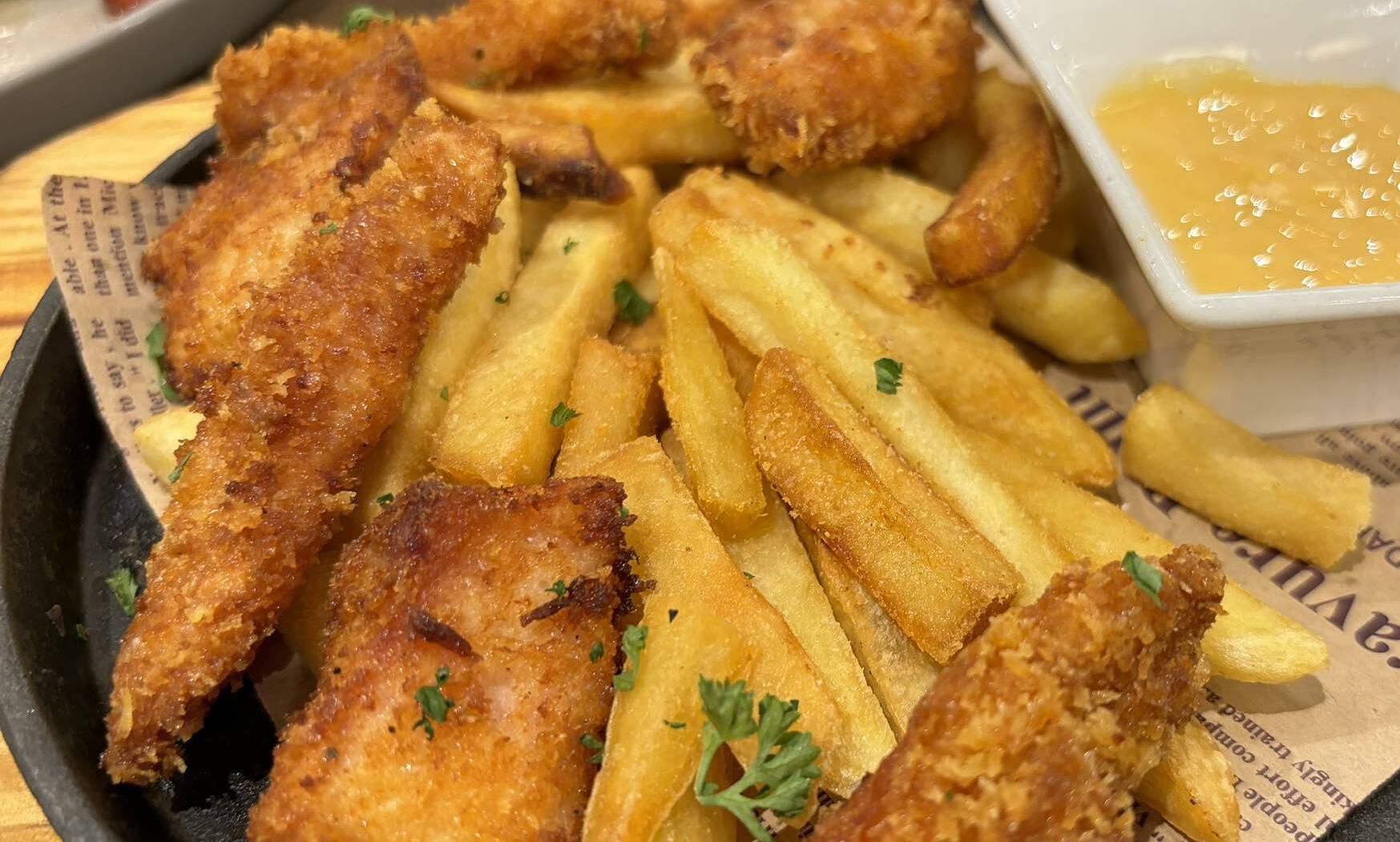
Foods high in fat
Foods high in fat can impact how diabetes medications are absorbed and utilized. While unsaturated fats are beneficial, consuming many saturated fats can increase the risk of insulin resistance and type 2 diabetes. For diabetics, eating processed meats and fried foods can hinder medication absorption. These foods slow digestion, which delays the absorption and effectiveness of diabetes drugs.
 |
Foods high in sugar
Foods high in sugar should be limited to prevent sudden blood sugar fluctuations. These rapid spikes and drops can overwhelm diabetes medication, promoting insulin resistance and contributing to weight gain. Key sugary foods to avoid include candy, soft drinks, desserts, and canned fruit juices.
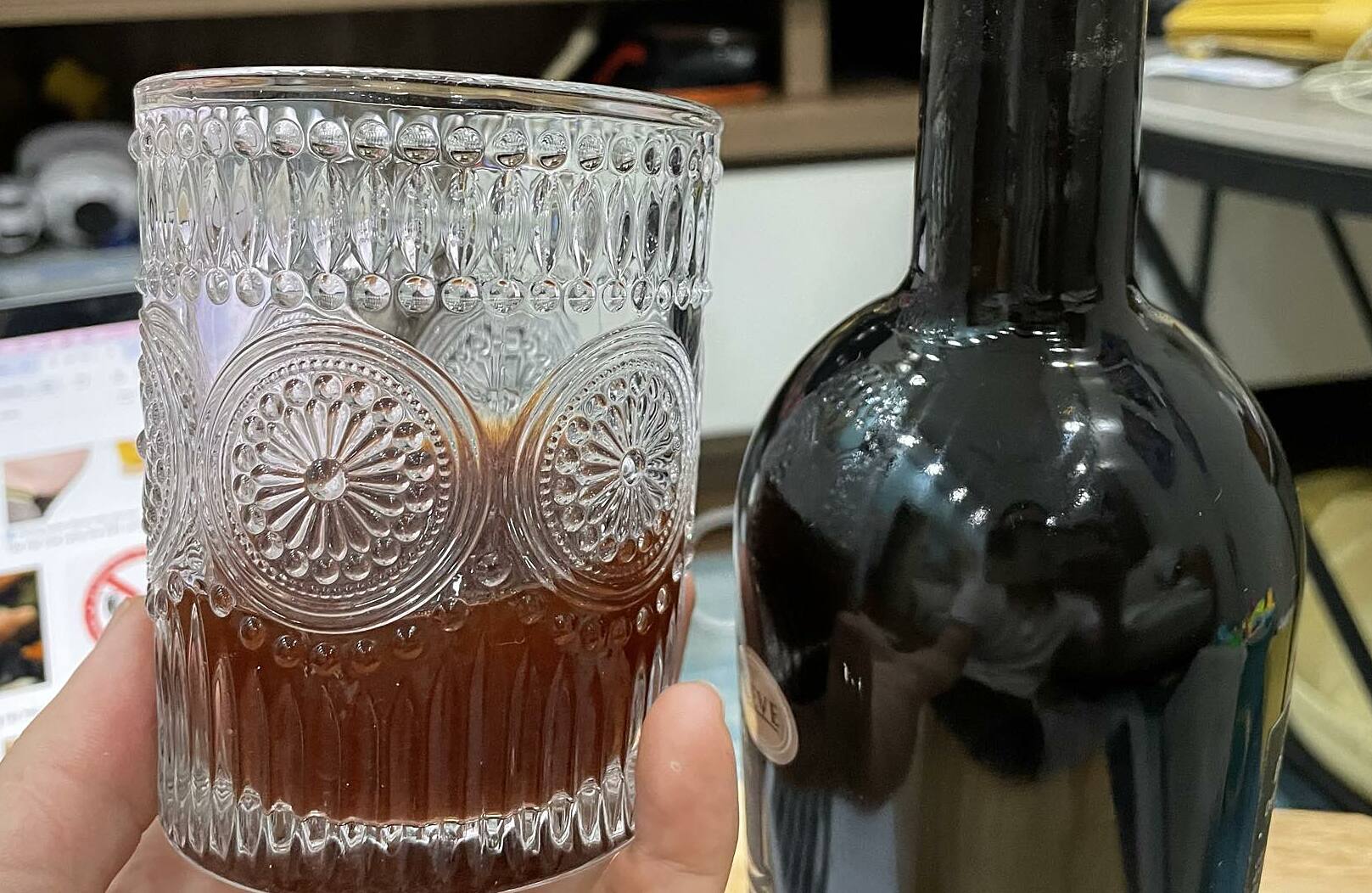 |
Alcohol
Alcohol should be limited when taking diabetes medication, as it can worsen symptoms. Alcohol increases the risk of hypoglycemia (low blood sugar), particularly for those using insulin, by hindering the liver's ability to release glucose into the bloodstream. Additionally, alcohol consumption can cause nausea, digestive upset, dehydration, and low blood pressure, all detrimental to diabetics.
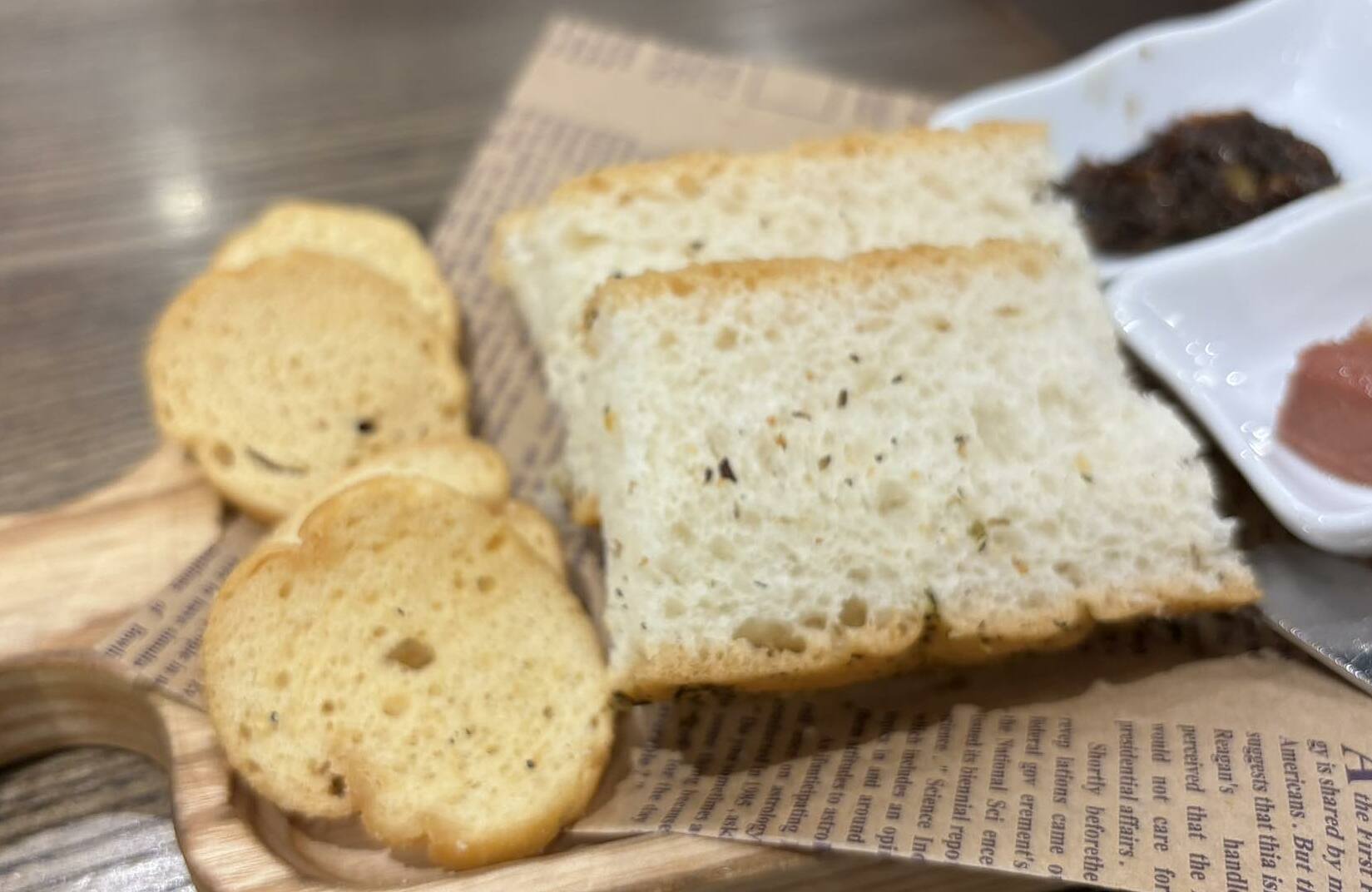 |
Refined carbohydrates
Refined carbohydrates, which are heavily processed, often cause sudden blood sugar spikes. Examples include white bread, sugary cereals, potato chips, crackers, and pastries. For patients using fast-acting insulin or mealtime medications, these surges can neutralize the drug's effects, making stable blood sugar control difficult.
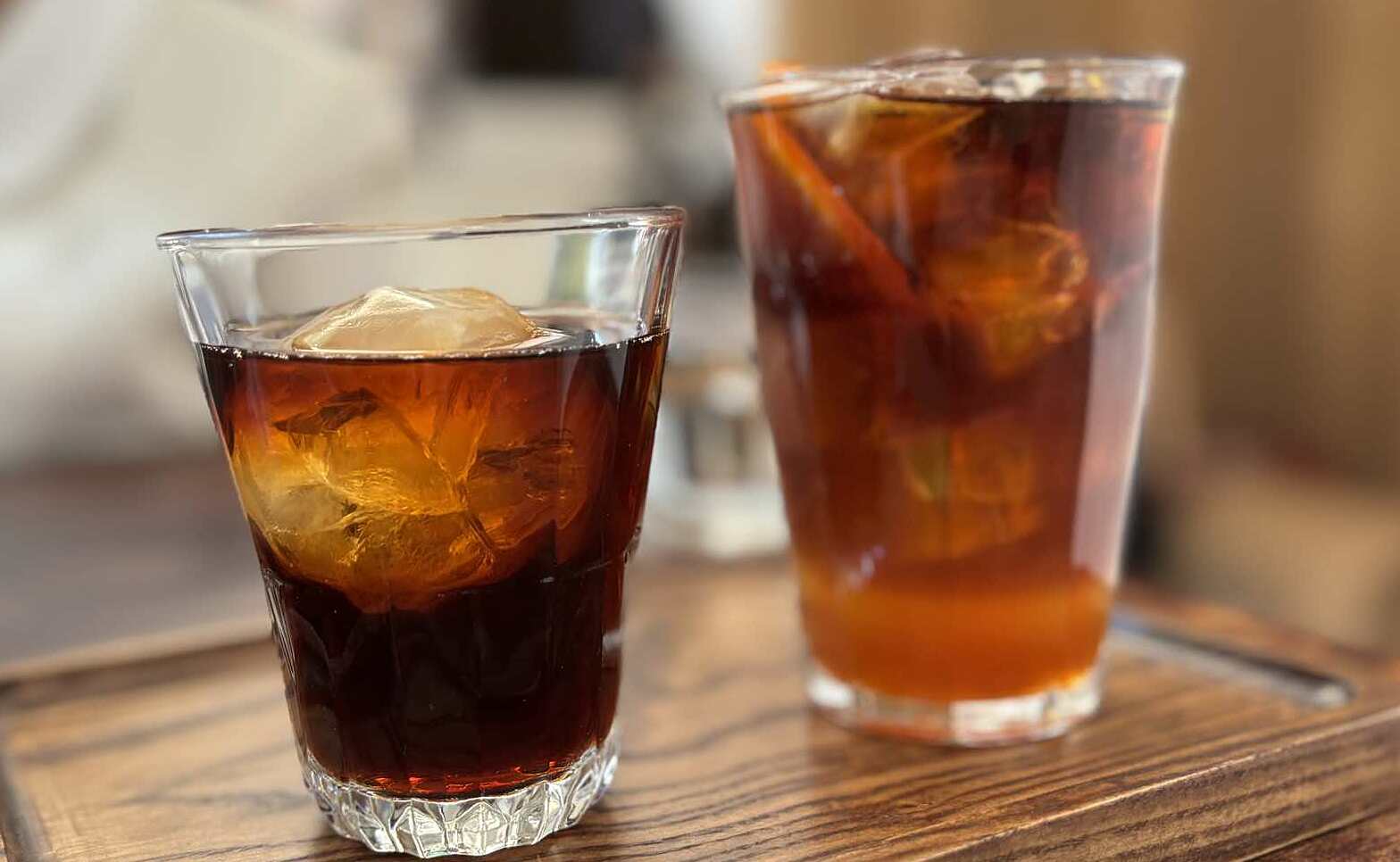 |
Caffeine
Caffeine can reduce the effectiveness of certain diabetes medications. Some diabetes drugs work by helping the body eliminate excess sugar through urine. Caffeine's diuretic properties can intensify this effect, thereby decreasing the overall effectiveness of the treatment.
Anh Chi (Eating Well)
Photo: Anh Chi.