Do not mistakenly believe that colorectal cancer is a disease to worry about only in one's fifties. In reality, the number of early-onset colorectal cancer cases in people under 50 is increasing globally at an alarming rate.
Medical studies indicate that the surge in cancer among younger generations isn't solely genetic. Instead, it stems from an accumulation of environmental factors and habits developed from childhood. The risk is not from a single behavior but a harmful combination, silently jeopardizing the gut health of young adults.
Drawing on the latest scientific reports, nutritionist Xue Xiaojing has identified five detrimental lifestyle choices that are severely impacting the digestive health of the modern generation:
"Low-fiber, high-fat" diet
The 2025 consolidated report by the World Cancer Research Fund (WCRF) confirms that a high-fiber diet is closely linked to a reduced incidence of colorectal cancer. Fiber not only stimulates bowel movements, ensuring smooth excretory system function, but also nourishes beneficial bacteria, producing short-chain fatty acids with potent anti-inflammatory properties that protect the intestinal lining.
Insufficient milk intake and calcium deficiency
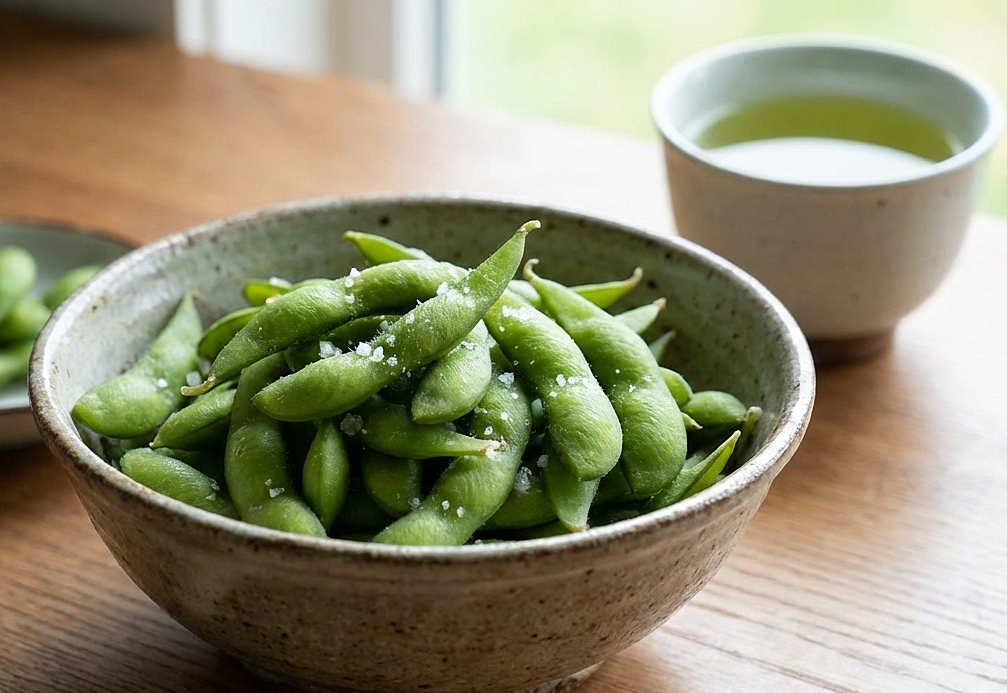
A large-scale study published in the prestigious journal Nature Communications in 2025, after analyzing dietary data from over 540,000 British women, concluded that supplementing with about 300 mg of calcium daily (equivalent to one glass of milk) can reduce the risk of colorectal cancer by approximately 17%. The study also highlighted that increasing consumption of green vegetables, fruits, whole grains, and legumes has a clear cancer-preventive effect. Studies on Asian populations have shown consistent results: a high-fiber, plant-based diet acts as a strong shield protecting the colon and rectum.
Staying up late, poor sleep quality
Sleep quality directly impacts gut health. Data from the Taiwan Health Insurance Database (China) indicates that individuals with sleep disorders have a 32% higher risk of colorectal cancer compared to those who sleep well. For those with chronic insomnia, this rate increases by 1,4 times. Maintaining a stable circadian rhythm and consistent sleep is a golden rule that should be implemented as early as possible.
 |
Individuals who sit for work or lie down watching their phones for over 10 hours daily have a 1,6 times higher risk of colorectal cancer compared to those who sit for less time. *Illustration: Ngoc Pham*
Excessive sitting, lack of physical activity
According to research published in the medical journal Journal of Korean Medical Science, individuals who sit for work or lie down watching their phones for over 10 hours daily have a 1,6 times higher risk of colorectal cancer compared to those who sit for less time. The risk peaks for those who are sedentary and rarely exercise. An analysis of the disease burden in China from 1990 to 2021 also warns that the Westernization of diets and metabolic syndromes caused by being overweight are continuously escalating the rates of digestion-related cancers.
Uncontrolled weight, "oversized" waistline
Rapid weight gain and an oversized waistline are triggers for many types of cancer. Conversely, regular exercise helps reduce chronic inflammatory responses in the body and regulates gene expression. A research overview in the journal Cancer Cell International indicates that regular physical activity reduces the risk of colorectal cancer by 24% for men and 23% for women.
Nutritionist Xue Xiaojing concludes that the increase in early-onset colorectal cancer results from a long-term interaction between lifestyle, environment, and changes in the gut microbiome. Every meal you choose, every hour you sleep, every step you take, and how you cope with daily pressure are silently accumulating points for your health. Adjusting your lifestyle early provides more opportunities to reverse the risk and change your destiny against this devastating disease.
My Y (According to Yahoo TW)