Gout is a common form of arthritis that cannot be fully cured. Symptoms include sudden, severe pain accompanied by swelling and redness in joints such as the toes, ankles, wrists, knees, and hands. Patients may experience difficulty walking if the pain becomes severe.
Gout patients are often advised to avoid foods with high purine content. This is because purines break down to form uric acid. Excess uric acid can crystallize, leading to kidney stones, or deposit in joints, triggering acute gout attacks. While food cannot cure gout, diet is directly linked to the likelihood of an attack.
Poultry
Goose and duck meat have high purine levels. Beef is often considered unhealthy due to compounds like heterocyclic amines (HCAs) and polycyclic aromatic hydrocarbons (PAHs) formed during high-temperature cooking. However, lean cuts of beef generally contain less purine than veal, lamb, and chicken with skin.
One hundred grams of duck meat can contain approximately 138 mg of purine. Gout patients can still consume poultry but should limit intake to about 50-80 g/day, for a maximum of two days a week. When eating poultry, it is best to avoid the skin and prioritize boiling or steaming, as excessive processing can increase purine content.
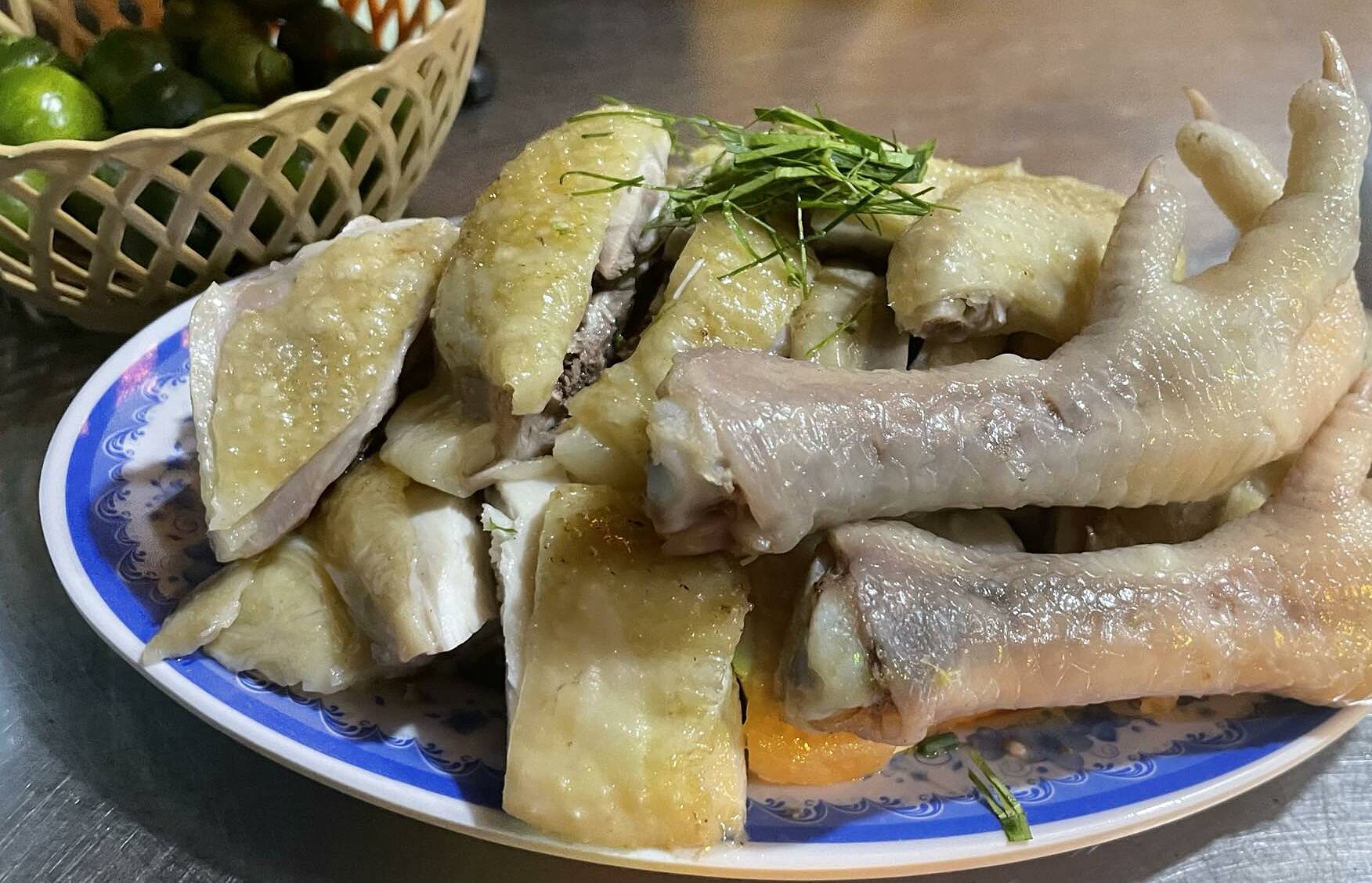 |
Gout patients should not eat chicken skin. Photo: Anh Chi |
Seafood
Seafood, including shrimp, squid, and clams, is one of the few natural food sources providing vitamin D, which supports bone health and immune function.
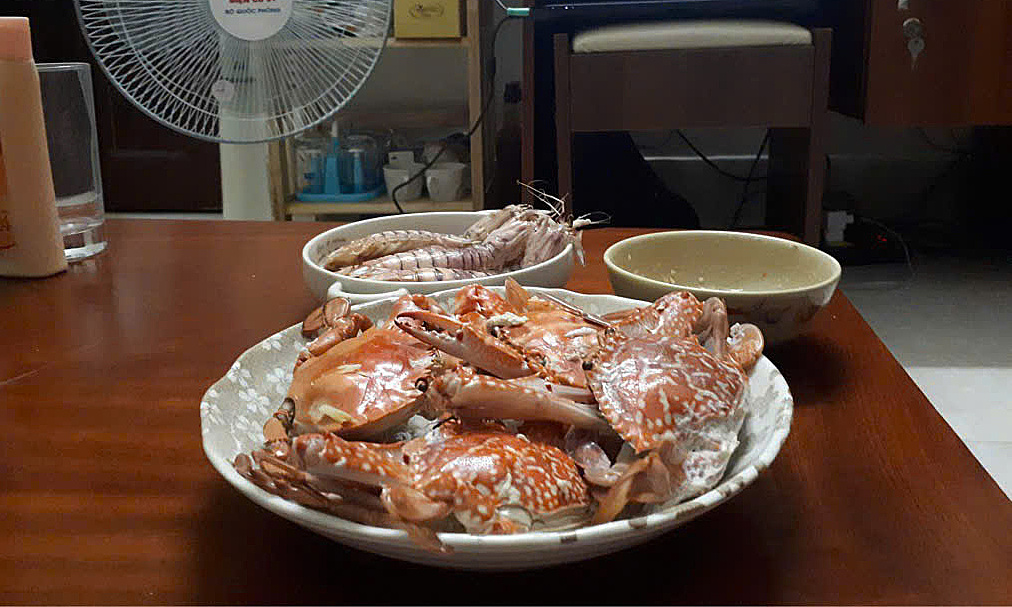
According to Healthline, the abundant lean protein in seafood helps build and repair muscles and boosts metabolism. It is also rich in essential micronutrients and heart-benefiting omega-3 fatty acids. However, some seafood varieties, such as mussels, crabs, crayfish, squid, and scallops, are high in purines. Consuming large quantities can trigger gout attacks.
Fish
Fatty fish like salmon, mackerel, and sardines are rich in omega-3 fatty acids, EPA and DHA, which reduce inflammation and lower triglyceride levels. DHA omega-3 fatty acids also contribute to improved cognitive function and a reduced risk of cognitive decline in older adults.
Nevertheless, many types of fish contain high levels of purine, including anchovies, sardines, herring, mackerel, and tuna. When canned or processed through multiple stages, the purine content can increase significantly. Patients should prioritize freshwater fish such as snakehead fish, carp, tilapia, and freshwater perch, as these are lower in purines.
Yeast and yeast extract
According to Health, probiotic-rich foods provide a large amount of beneficial bacteria for the gut, supporting microbial balance and digestive health. However, consuming too many yeast-containing foods can lead to changes in the gut, which over time, can promote the body's production of more uric acid. This can cause gout complications like kidney stones, kidney failure, and blood vessel damage. Foods containing yeast that should be limited include aged cheese, grains, and cream cheese.
Anh Chi (compiled)